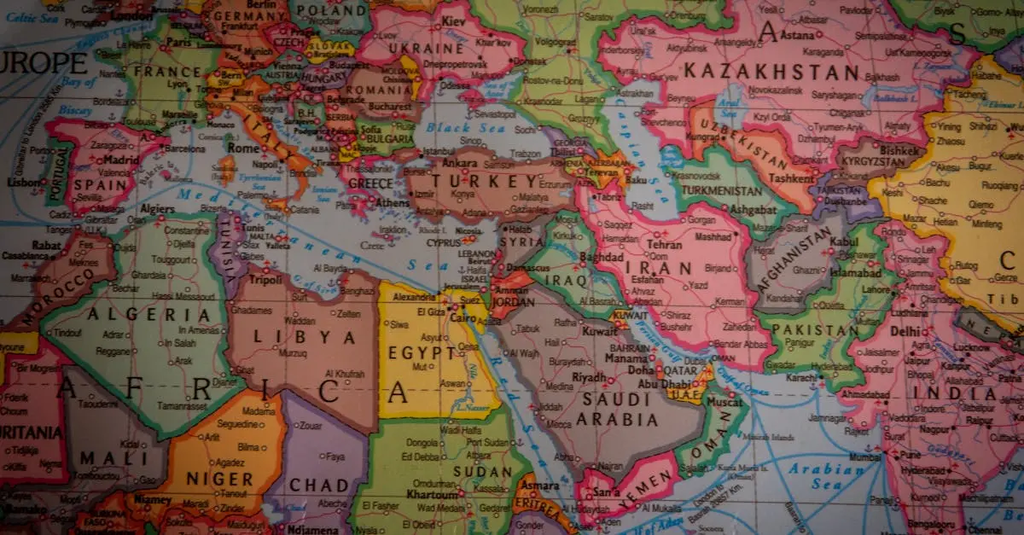
"Records of Exploration and Adventure" refers to documented accounts detailing journeys into unknown or little-known regions, often undertaken by explorers, travelers, or adventurers. These records may include diaries, journals, maps, photographs, or written narratives that capture the challenges, discoveries, and experiences encountered during such expeditions. They serve as valuable historical sources, offering insights into new lands, cultures, and natural phenomena, while also inspiring curiosity and a spirit of discovery in readers.
Records of Exploration and Adventure
"Records of Exploration and Adventure" refers to documented accounts detailing journeys into unknown or little-known regions, often undertaken by explorers, travelers, or adventurers. These records may include diaries, journals, maps, photographs, or written narratives that capture the challenges, discoveries, and experiences encountered during such expeditions. They serve as valuable historical sources, offering insights into new lands, cultures, and natural phenomena, while also inspiring curiosity and a spirit of discovery in readers.
💡 Key Takeaways
- Define what counts as records of exploration and adventure (diaries, journals, maps, photos, narratives).
- Describe how journeys’ challenges, discoveries, and experiences are captured in these records.
- Explain how maps and photographs complement written accounts to reveal routes and places.
- Assess the historical, cultural, and ethical context and impact of exploration narratives.
❓ Frequently Asked Questions
What are Records of Exploration and Adventure?
Documents that record journeys into unknown or little-known regions, created by explorers, travelers, or adventurers. They include diaries, journals, maps, photographs, and written narratives.
What kinds of materials do these records include?
Diaries, journals, maps, sketches, photographs, travel narratives, letters, and expedition reports.
What information do these records typically capture?
Routes and landscapes, challenges and dangers, weather, equipment, cultural encounters, and discoveries.
Why are Records of Exploration and Adventure useful?
They provide firsthand insights into exploration, helping reconstruct routes, environments, and historical contexts.
How should you assess the reliability of these records?
Consider the author’s perspective and purpose, verify dates, cross-check with other sources, and be aware of biases or gaps.