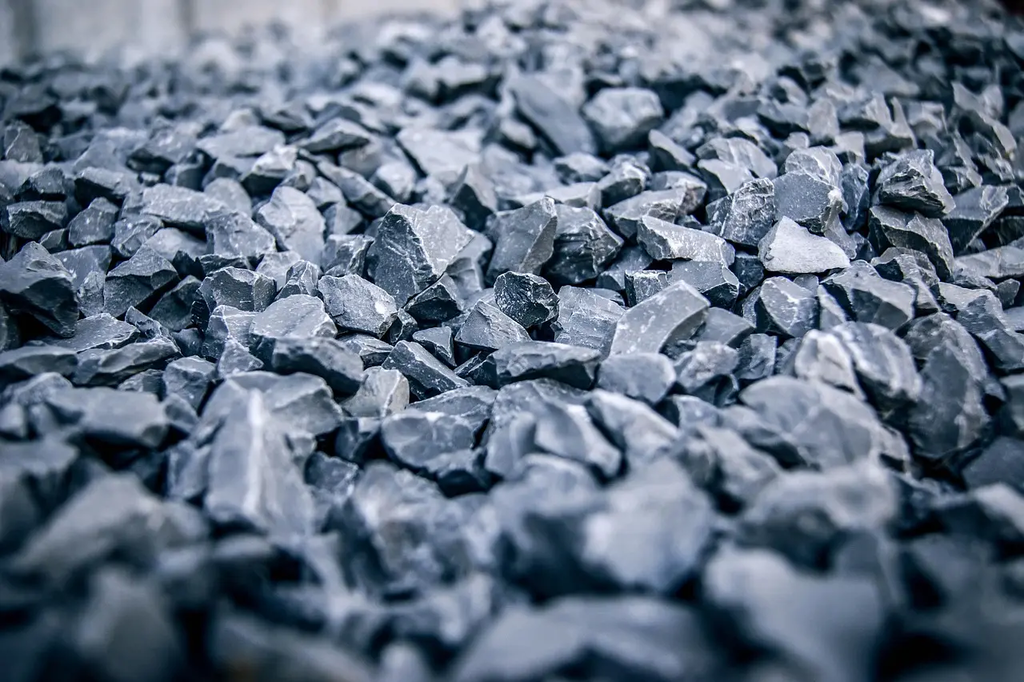
Recycled aggregates are materials recovered from demolished concrete or masonry structures, processed, and reused in new construction, reducing the need for natural resources. Supplementary cementitious materials (SCMs), such as fly ash, slag, and silica fume, are industrial by-products added to concrete to enhance its properties and sustainability. Both recycled aggregates and SCMs promote eco-friendly construction by minimizing waste, lowering carbon emissions, and improving the durability and performance of concrete materials.
Recycled Aggregates and Supplementary Cementitious Materials
Recycled aggregates are materials recovered from demolished concrete or masonry structures, processed, and reused in new construction, reducing the need for natural resources. Supplementary cementitious materials (SCMs), such as fly ash, slag, and silica fume, are industrial by-products added to concrete to enhance its properties and sustainability. Both recycled aggregates and SCMs promote eco-friendly construction by minimizing waste, lowering carbon emissions, and improving the durability and performance of concrete materials.
💡 Key Takeaways
- Understand what recycled aggregates are and why they're used in concrete for sustainability and waste reduction.
- Learn how supplementary cementitious materials (SCMs) like fly ash, slag, and silica fume interact with recycled aggregates to influence strength, durability, and workability.
- Identify mix-design considerations when using recycled aggregates with SCMs, including replacement levels, water demand, and curing requirements.
- Recognize common performance metrics and standards for RA and SCM-enabled concrete, such as compressive strength, durability tests, and relevant codes.
❓ Frequently Asked Questions
What are recycled aggregates?
Recycled aggregates are crushed materials from demolished concrete or construction waste used as coarse or fine aggregate in new concrete or as base material, reducing natural resource use and waste.
What are supplementary cementitious materials (SCMs) and why are they used?
SCMs are materials that react with cement to form additional cementitious compounds, replacing part of Portland cement. They improve durability, reduce heat of hydration, lower clinker content, and lessen environmental impact. Examples: fly ash, slag (GGBS), silica fume, metakaolin, calcined clays.
How do recycled aggregates affect concrete performance?
RCA can increase porosity and may reduce early strength due to adhered mortar, but with proper processing, saturation control, and mix design adjustments, performance can meet required standards.
When should SCMs be used in a mix?
Use SCMs to lower cement content, improve durability and workability, or meet sustainability goals. The effectiveness depends on the dosage and compatibility with the cement type.