"Red and Yellow Flames (Brand Detective: Guess the Logo from the Clues!)" refers to a fun, interactive game where participants are given hints—such as the colors red and yellow, and imagery of flames—to identify a famous brand logo. The phrase evokes excitement and challenge, encouraging players to use their knowledge of popular brands, color schemes, and visual clues to deduce which logo is being described, making it an engaging activity for brand enthusiasts.
Red and Yellow Flames
"Red and Yellow Flames (Brand Detective: Guess the Logo from the Clues!)" refers to a fun, interactive game where participants are given hints—such as the colors red and yellow, and imagery of flames—to identify a famous brand logo. The phrase evokes excitement and challenge, encouraging players to use their knowledge of popular brands, color schemes, and visual clues to deduce which logo is being described, making it an engaging activity for brand enthusiasts.
💡 Key Takeaways
- Understand what red and yellow flame colors indicate about combustion temperature and efficiency.
- Identify the main factors that cause red or yellow flames, including oxygen supply, fuel richness, and impurities.
- Recognize safety considerations linked to red/yellow flames and when to seek expert advice.
- Compare red/yellow flames to blue flames to distinguish incomplete combustion from clean burning and what that means for maintenance and safety.
❓ Frequently Asked Questions
What causes a flame to appear red or yellow?
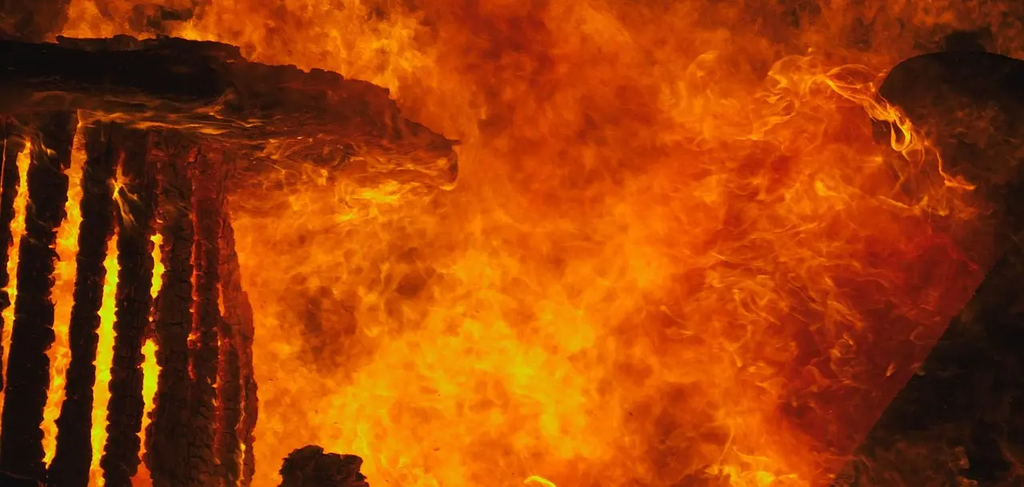
Color comes from flame temperature and glowing particles or gas emissions. Red/yellow often results from incandescent soot or trace elements in the flame; blue indicates hotter, cleaner combustion.
Why is a yellow flame often a sign of incomplete combustion?
Yellow results from glowing soot particles formed when fuel burns with insufficient oxygen, which can produce pollutants like carbon monoxide.
How can you change a yellow flame into a blue, cleaner flame on a burner?
Increase the air supply to improve combustion, adjust the burner's air intake, and keep the burner clean to prevent clogging for more complete burning.
Are red or yellow flames always dangerous?
Not always. Red can be a cooler part of a flame, but yellow often signals incomplete combustion and potential CO risk. If in doubt, turn off the flame and seek inspection or safety guidance.