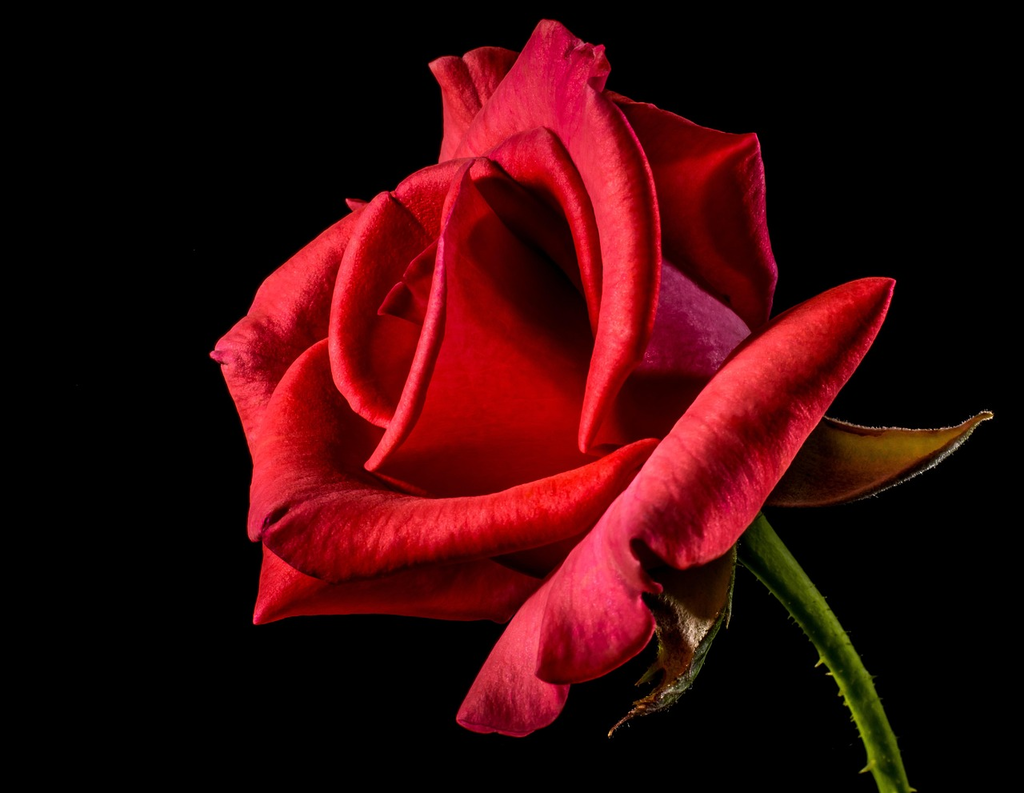
Red flowers, embodying the vibrant color vibe of red and green, symbolize passion, love, and vitality. Their vivid red petals contrast beautifully with lush green foliage, creating a striking visual harmony. This color combination evokes feelings of energy, warmth, and renewal, often associated with festive or romantic occasions. Red flowers, set against green leaves, capture nature’s dynamic beauty and emotional intensity, making them a popular choice for both decorative and symbolic purposes.
Red Flowers
Red flowers, embodying the vibrant color vibe of red and green, symbolize passion, love, and vitality. Their vivid red petals contrast beautifully with lush green foliage, creating a striking visual harmony. This color combination evokes feelings of energy, warmth, and renewal, often associated with festive or romantic occasions. Red flowers, set against green leaves, capture nature’s dynamic beauty and emotional intensity, making them a popular choice for both decorative and symbolic purposes.
💡 Key Takeaways
- Identify common red-flowered plants and their distinguishing features.
- Understand what causes red blooms (pigments) and how light and other factors can affect color.
- Explore how red flowers attract pollinators like hummingbirds and bees.
- Get practical tips for growing red flowers (sunlight, soil, watering, and pruning).
❓ Frequently Asked Questions
What makes a flower appear red?
Red petals usually get their color from anthocyanin pigments in the petals. Shade can be influenced by pH, sunlight, and minerals in the soil.
Which common flowers are typically red?
Roses, tulips, poppies, geraniums, and hibiscus are among the many red-flowered varieties you might see in gardens.
Do red flowers attract specific pollinators?
Yes. Red flowers often attract hummingbirds and some butterflies; many bees see red less clearly, so scent and nectar guides also matter.
How can I grow red flowers successfully?
Choose red cultivars suited to your climate, plant in full sun with well‑drained soil, water regularly, and deadhead faded blooms to encourage more red flowers.
What does red color symbolize in flowers?
Red flowers commonly symbolize love and passion; meanings can vary by culture and species.