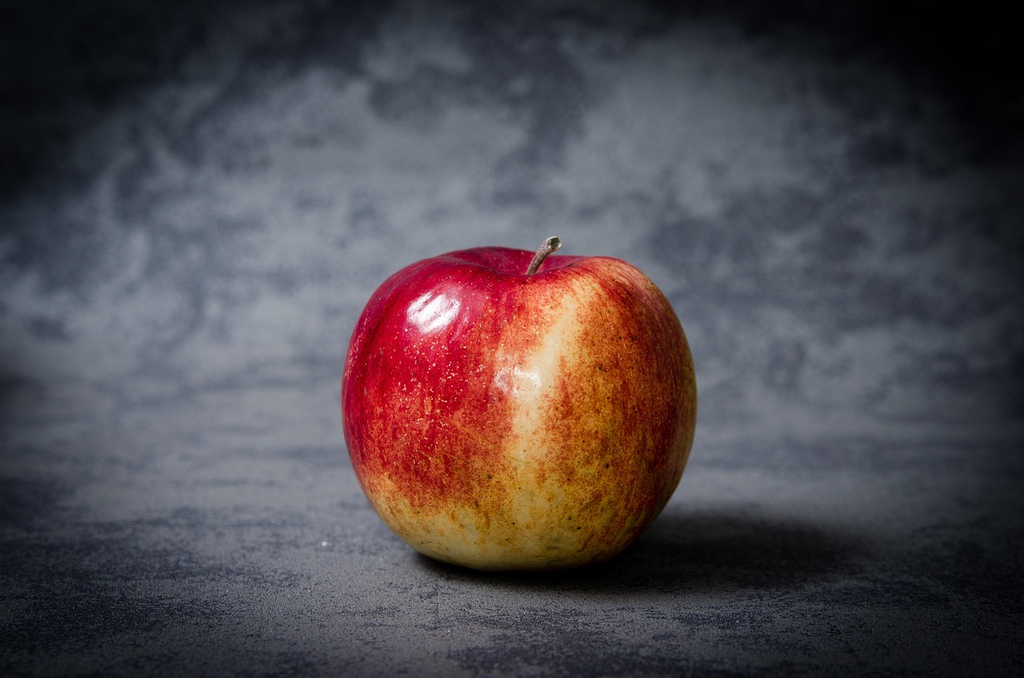
Red foods, such as strawberries, tomatoes, cherries, and red peppers, are vibrant and visually appealing, often symbolizing energy and vitality. Rich in antioxidants like lycopene and anthocyanins, they contribute to heart health and boost the immune system. In the context of “Color Vibes (Red & Green),” red foods bring warmth and intensity to meals, creating a lively contrast when paired with green foods, enhancing both visual appeal and nutritional balance.
Red Foods
Red foods, such as strawberries, tomatoes, cherries, and red peppers, are vibrant and visually appealing, often symbolizing energy and vitality. Rich in antioxidants like lycopene and anthocyanins, they contribute to heart health and boost the immune system. In the context of “Color Vibes (Red & Green),” red foods bring warmth and intensity to meals, creating a lively contrast when paired with green foods, enhancing both visual appeal and nutritional balance.
💡 Key Takeaways
- Identify common red foods and the pigments that give them their color
- Understand the health benefits of red foods, including antioxidants and heart health
- Learn practical ways to include red foods in meals and snacks
- Get tips for selecting, storing, and cooking red foods to preserve nutrition and flavor
❓ Frequently Asked Questions
What are common examples of red foods?
Tomatoes, strawberries, red peppers, red apples, watermelon, beets, raspberries, cherries, and red cabbage.
What pigment gives many red foods their color, and what health benefit is it linked to?
Lycopene (a carotenoid) gives red color to tomatoes and watermelons and acts as an antioxidant linked to heart health.
Which red foods are particularly high in lycopene or anthocyanins?
Lycopene is highest in tomatoes and watermelon; red berries and red cabbage are rich in anthocyanins.
Do red foods stay red when cooked, and why can colors change?
Color can change with heat and pH. Lycopene is often more available after cooking, while some anthocyanins may fade with heat.