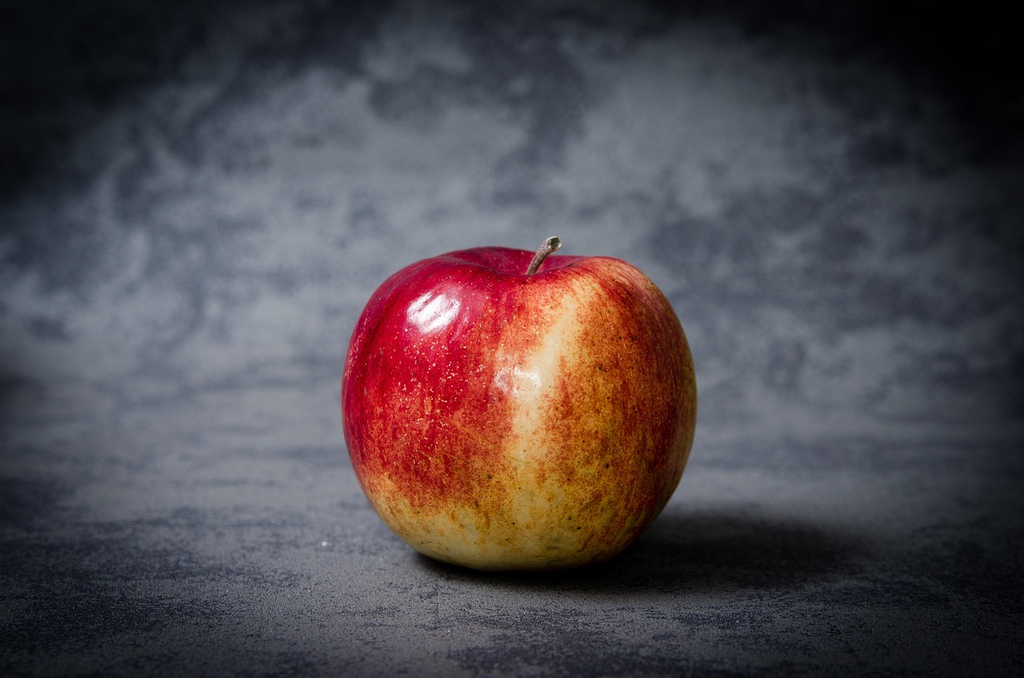
Red fruits, vibrant in their crimson hues, symbolize energy, passion, and vitality. In the context of color vibes, red is bold and stimulating, often paired with green for a striking contrast that evokes freshness and balance. This dynamic duo is visually appealing, reminiscent of nature’s bounty—think ripe strawberries or apples against lush leaves—creating an atmosphere that feels lively, harmonious, and inviting.
Red Fruits+50
Red fruits, vibrant in their crimson hues, symbolize energy, passion, and vitality. In the context of color vibes, red is bold and stimulating, often paired with green for a striking contrast that evokes freshness and balance. This dynamic duo is visually appealing, reminiscent of nature’s bounty—think ripe strawberries or apples against lush leaves—creating an atmosphere that feels lively, harmonious, and inviting.
💡 Key Takeaways
- Identify common red fruits (strawberries, cherries, raspberries, red apples) and what makes them red.
- Compare flavor profiles and everyday uses for red fruits in snacks, desserts, and meals.
- Learn how to select ripe red fruits and store them to maximize freshness.
- Discover the key nutrients and health benefits associated with red fruits (antioxidants, vitamins, fiber).
❓ Frequently Asked Questions
What qualifies as a red fruit?
Fruits that appear red due to pigments like anthocyanins or lycopene. Common examples include strawberries, cherries, raspberries, red apples, and watermelon.
What pigments give red color to many fruits?
Anthocyanins and lycopene are the main pigments responsible for red coloration in many fruits.
Are all red fruits high in vitamin C or antioxidants?
Many red fruits are good sources of vitamin C and antioxidants, but exact amounts vary by fruit.
How can you tell if a red fruit is ripe?
Look for vibrant color, slight softness (where appropriate), and a pleasant aroma; avoid fruits that feel mushy or have dull color.
How should red fruits be stored to stay fresh?
Store most red berries in the refrigerator, keep them dry, wash only before eating, and freeze if you need longer storage.