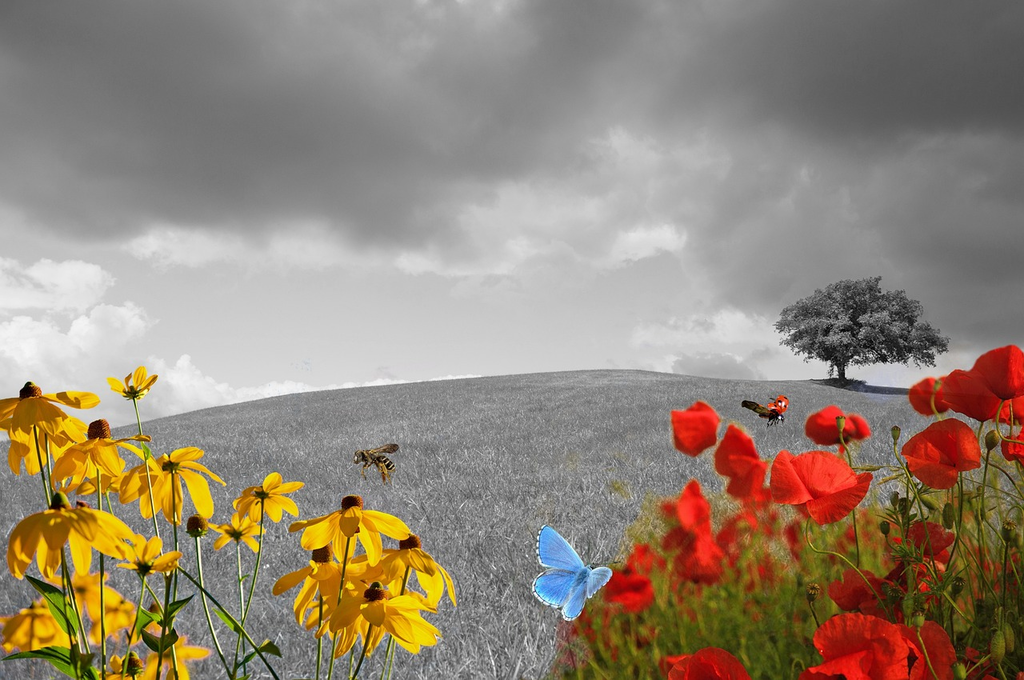
Red in art is a powerful color often associated with intense emotions such as passion, love, and anger. It commands attention, symbolizing energy, strength, and vitality. In contrast to green, which represents calm and renewal, red creates dynamic tension and visual excitement. Artists use red to highlight focal points, evoke strong reactions, and convey warmth or danger, making it a vital element in color harmony and expressive visual storytelling.
Red in Art
Red in art is a powerful color often associated with intense emotions such as passion, love, and anger. It commands attention, symbolizing energy, strength, and vitality. In contrast to green, which represents calm and renewal, red creates dynamic tension and visual excitement. Artists use red to highlight focal points, evoke strong reactions, and convey warmth or danger, making it a vital element in color harmony and expressive visual storytelling.
💡 Key Takeaways
- Explore how red has symbolized passion, power, danger, and love in different art periods.
- Identify common red pigments used by artists (e.g., vermilion, cadmium red) and how pigment properties affect warmth and brightness.
- Learn how red is used to draw focus, create emphasis, and influence overall color harmony in a composition.
- Understand how red's meanings vary across cultures and time periods in art.
❓ Frequently Asked Questions
What does the color red typically symbolize in art?
Red often signals strong emotions such as passion, love, anger, or danger, and can convey energy, power, or action while guiding the viewer's attention.
Which historical pigments have been used to create red hues in paintings?
Historically used reds include vermilion (cinnabar), red ochre, and alizarin crimson; in modern works cadmium reds are common.
How can red influence the composition and focal point of a work?
Red stands out due to its warmth, drawing the eye and often serving as a focal point or area of emphasis, especially when contrasted with cooler colors.
Can you name famous artworks where red plays a central role?
Examples include Van Gogh’s Red Vineyard at Arles, Matisse’s The Red Studio, and Edvard Munch’s The Scream, which features a dramatic red/orange sky.