"Red in Nature" explores the vibrant presence of the color red within the natural world, highlighting its striking contrast and harmony with green elements like foliage. This color combination evokes a sense of energy, passion, and vitality—seen in blooming flowers, ripe fruits, and changing leaves. The interplay between red and green creates visual excitement and balance, symbolizing both the dynamic and harmonious aspects of nature’s palette.
Red in Nature+50
"Red in Nature" explores the vibrant presence of the color red within the natural world, highlighting its striking contrast and harmony with green elements like foliage. This color combination evokes a sense of energy, passion, and vitality—seen in blooming flowers, ripe fruits, and changing leaves. The interplay between red and green creates visual excitement and balance, symbolizing both the dynamic and harmonious aspects of nature’s palette.
💡 Key Takeaways
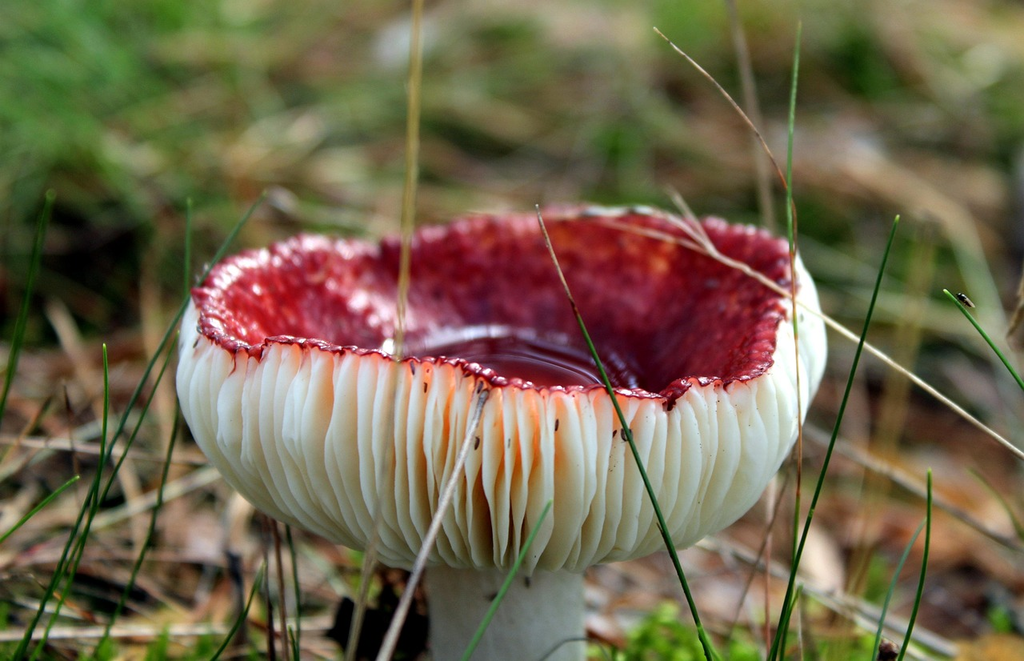
- Understand why red appears in nature (pigments like anthocyanins and carotenoids) and what it signals.
- Learn how red indicates ripeness, toxicity, or helps attract pollinators and seed dispersers.
- Identify common red examples in plants and animals (berries, autumn leaves, red flowers, red insects/birds) and their roles.
- Explore how red color intensity changes with seasons and stress and its ecological implications.
❓ Frequently Asked Questions
What causes red colors in nature?
Red hues arise from pigments like anthocyanins and lycopene that absorb other wavelengths and reflect red; in autumn, leaves redden when anthocyanins accumulate as chlorophyll breaks down.
Which natural pigments are responsible for red hues?
Anthocyanins produce reds in berries and flowers; lycopene gives red in tomatoes and watermelons; carotenoids contribute red-orange tones in some species.
How does red coloration help plants and animals ecologically?
Red signals often indicate ripeness to fruit-eaters or attract pollinators, and in some animals it serves as warning coloration (aposematism).
Why do autumn leaves turn red?
Chlorophyll breaks down in autumn, while sugars are retained and anthocyanins are produced, yielding red leaves.