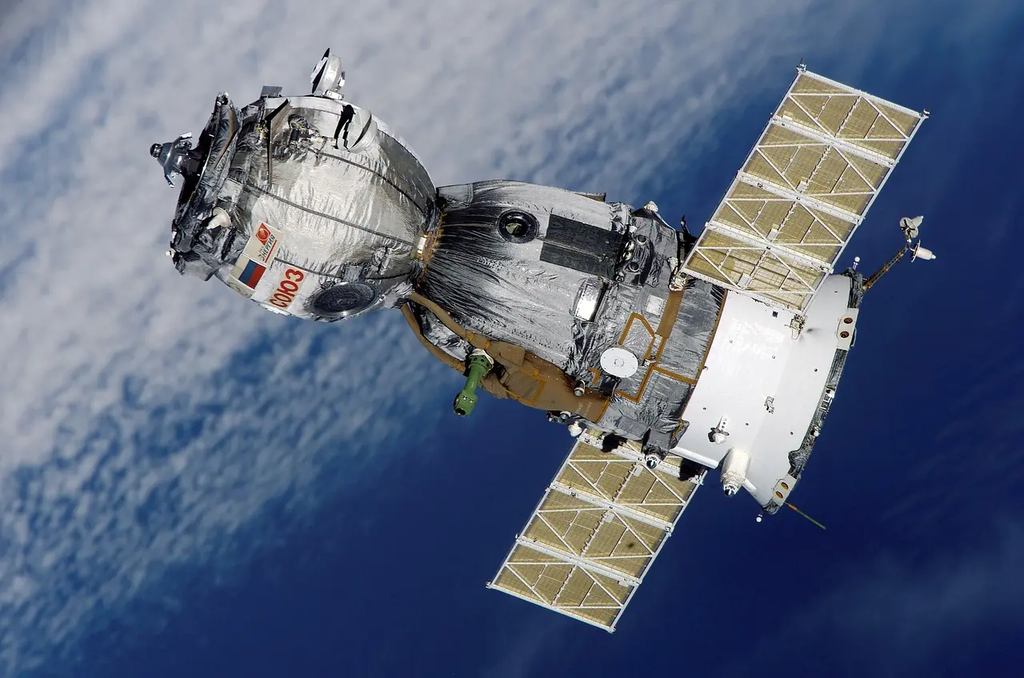
Reentry blackout refers to the temporary loss of radio communication experienced by spacecraft when they re-enter Earth’s atmosphere. This occurs because the intense heat generated during reentry creates a layer of ionized gas, or plasma, around the vehicle. The plasma sheath blocks or distorts radio signals, preventing communication between the spacecraft and ground control. Advances in plasma communications aim to mitigate this blackout by developing technologies that allow signals to penetrate or bypass the plasma layer.
Reentry Blackout and Plasma Communications
Reentry blackout refers to the temporary loss of radio communication experienced by spacecraft when they re-enter Earth’s atmosphere. This occurs because the intense heat generated during reentry creates a layer of ionized gas, or plasma, around the vehicle. The plasma sheath blocks or distorts radio signals, preventing communication between the spacecraft and ground control. Advances in plasma communications aim to mitigate this blackout by developing technologies that allow signals to penetrate or bypass the plasma layer.
💡 Key Takeaways
- Explain why reentry causes radio blackout: the plasma sheath blocks signals.
- Describe how extreme heat ionizes atmospheric gas to form plasma around the spacecraft.
- Identify factors that affect blackout timing and duration (speed, altitude, plasma density).
- Discuss basic mitigation approaches and alternative communications used during reentry.
❓ Frequently Asked Questions
What is reentry blackout?
A temporary loss or disruption of radio communications caused by a plasma sheath that forms around a spacecraft as it re-enters Earth's atmosphere.
Why does plasma form around the vehicle during reentry?
The spacecraft’s high-speed entry heats and ionizes surrounding air, creating a hot, electrically charged plasma that can absorb or block radio waves.
How long does reentry blackout typically last?
It usually lasts from a few seconds to several minutes, depending on entry speed, trajectory, and vehicle design.
How do missions communicate during blackout?
Communications are paused during blackout; data is stored onboard or relayed after plasma clears, and ground teams use planned windows and tracking to resume normal communications when possible.