Referee tendencies and game-state management refer to how officials interpret and enforce rules during Tottenham Hotspur F.C. matches, influencing the flow and outcome. This includes their approach to fouls, advantage play, and disciplinary actions. Understanding these patterns helps Tottenham adapt tactics, manage player discipline, and exploit moments when referees are lenient or strict. Effective game-state management by referees can impact Tottenham’s momentum, strategy, and overall match performance.
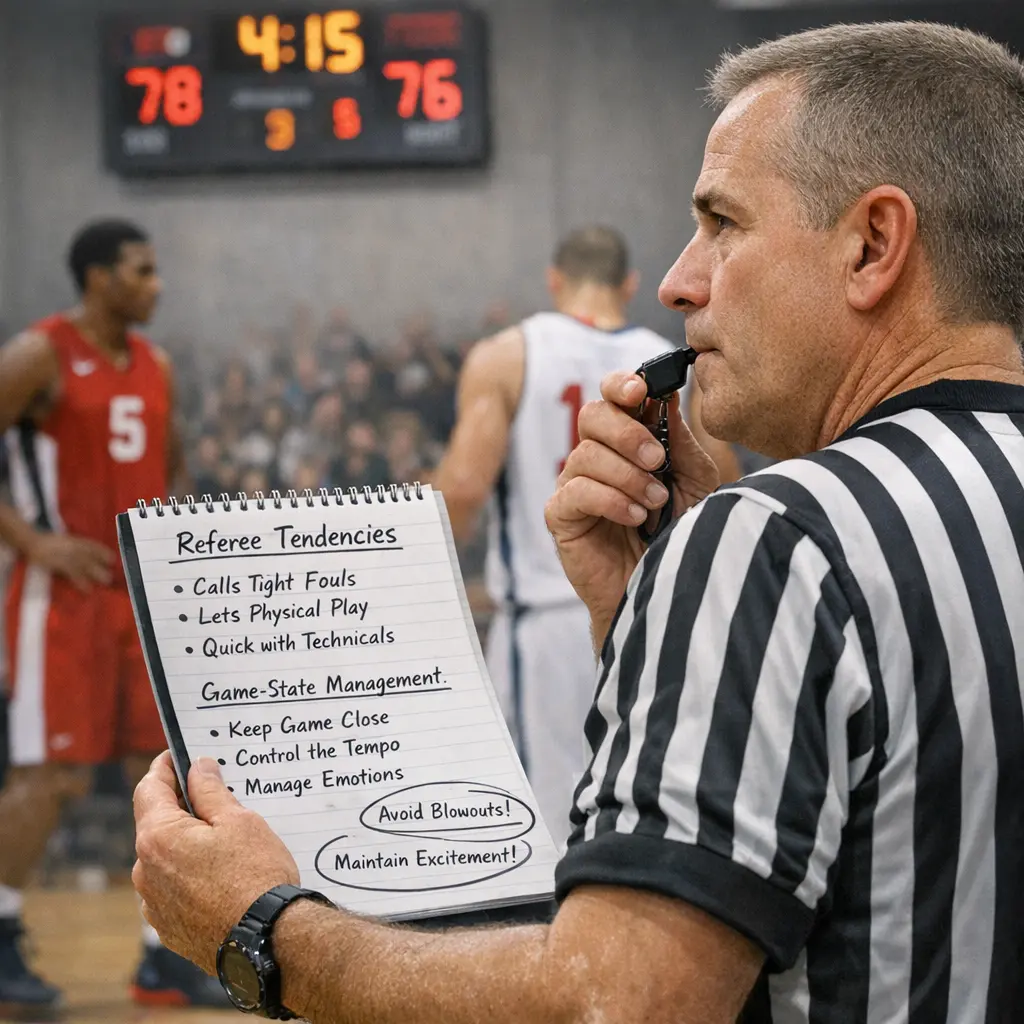
Referee Tendencies & Game-State Management
Referee tendencies and game-state management refer to how officials interpret and enforce rules during Tottenham Hotspur F.C. matches, influencing the flow and outcome. This includes their approach to fouls, advantage play, and disciplinary actions. Understanding these patterns helps Tottenham adapt tactics, manage player discipline, and exploit moments when referees are lenient or strict. Effective game-state management by referees can impact Tottenham’s momentum, strategy, and overall match performance.
💡 Key Takeaways
- Identify common referee tendencies and how they influence game flow.
- Explain how referees manage the game state, including timeouts, fouls, and stoppages.
- Recognize factors that can bias officiating decisions, such as crowd pressure and game stakes.
- Learn strategies to adapt your team's play and communication to different officiating patterns and clock management.
❓ Frequently Asked Questions
What does 'referee tendencies' refer to?
Referee tendencies are recurring patterns in how officials call fouls, penalties, and manage players, shaped by experience, league norms, and situational context.
What is 'game-state management' in officiating?
Game-state management is how referees adjust decisions, timing, and flow based on factors like score, time remaining, fouls, and momentum to keep the game fair and engaging.
How do referees decide when to apply the advantage rule?
The referee lets play continue after a foul if an immediate advantage is likely; if the advantage doesn’t materialize quickly, they whistle to call the foul.
How do officials handle stoppages and clock management?
Officials pause the clock for fouls, injuries, substitutions, and reviews, balancing fairness with game pace to maintain flow.