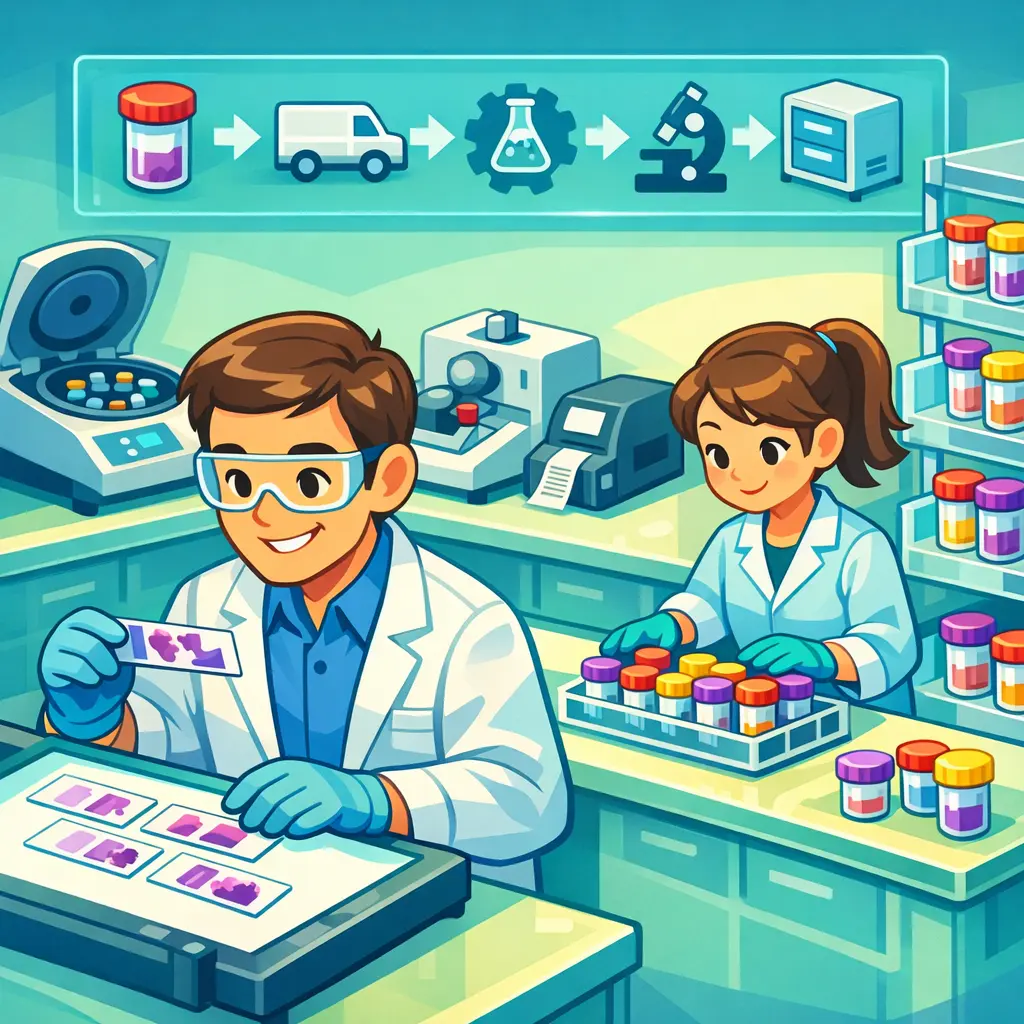
Regenerative Medicine & Cell Therapy Teams are multidisciplinary groups of scientists, clinicians, and technicians focused on developing and applying innovative treatments that repair, replace, or regenerate damaged tissues and organs. Careers in this field involve research, clinical trials, manufacturing, and patient care, utilizing stem cells, engineered tissues, and advanced therapies. These teams collaborate to advance medical breakthroughs, improve patient outcomes, and address previously untreatable conditions within the healthcare and medicine sectors.
Regenerative Medicine & Cell Therapy Teams
Regenerative Medicine & Cell Therapy Teams are multidisciplinary groups of scientists, clinicians, and technicians focused on developing and applying innovative treatments that repair, replace, or regenerate damaged tissues and organs. Careers in this field involve research, clinical trials, manufacturing, and patient care, utilizing stem cells, engineered tissues, and advanced therapies. These teams collaborate to advance medical breakthroughs, improve patient outcomes, and address previously untreatable conditions within the healthcare and medicine sectors.
💡 Key Takeaways
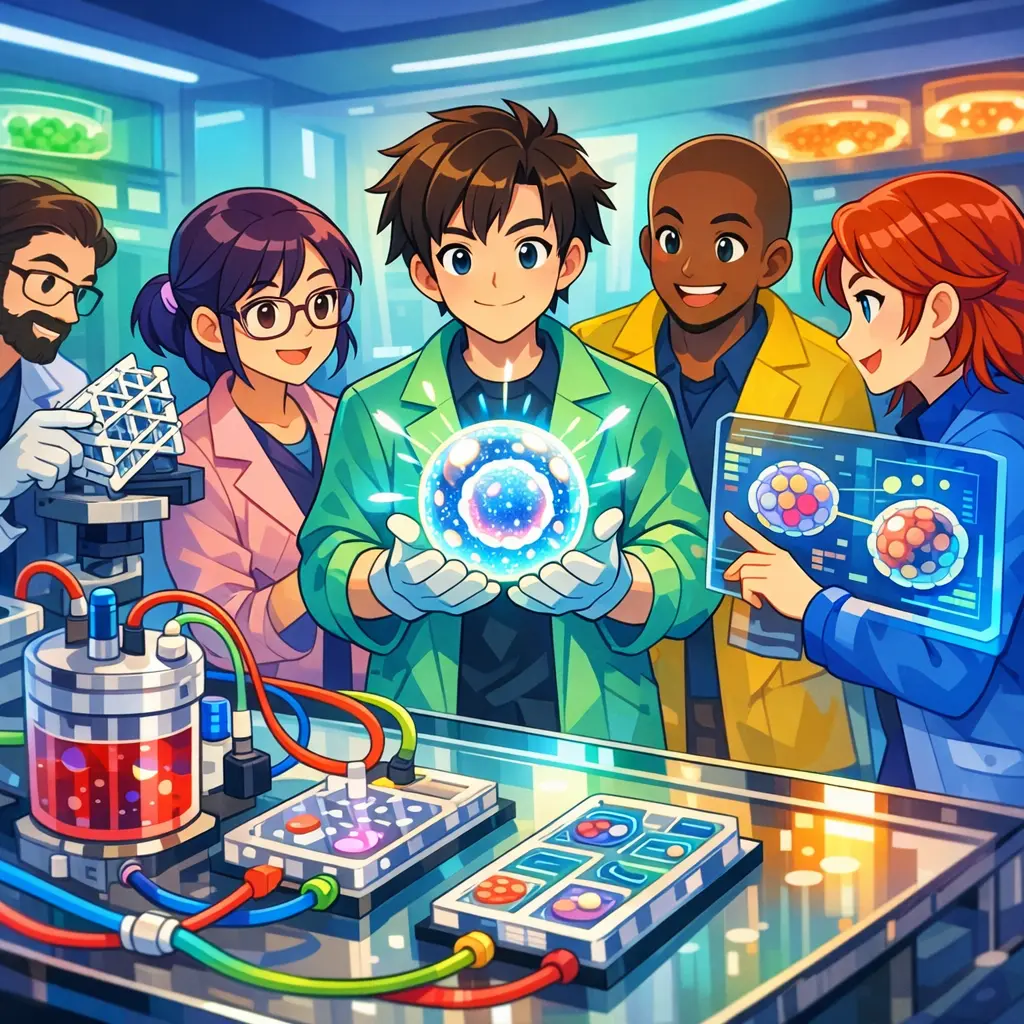
- Understand the core roles on regenerative medicine and cell therapy teams (clinicians, scientists, manufacturing, QA, and regulatory professionals).
- Describe the translational pipeline from discovery to clinical trials, including GMP manufacturing and quality control processes.
- Identify regulatory, ethical, and patient-safety considerations guiding cell therapy development and clinical implementation.
- Recognize the importance of multidisciplinary collaboration, effective trial design, and data sharing across team members.
❓ Frequently Asked Questions
What is regenerative medicine?
A field that aims to restore or replace damaged tissues or organs using cells, scaffolds, and signaling molecules. It includes cell therapy, tissue engineering, and gene-based approaches.
Who makes up a regenerative medicine or cell therapy team?
A cross-disciplinary group: scientists (cell biology, tissue engineering), clinicians, regulatory/compliance experts, GMP manufacturing and quality assurance, biostatisticians, data managers, and project managers.
What is cell therapy and how does it relate to regenerative medicine?
Cell therapy uses living cells to repair or replace damaged tissue and is a core modality within regenerative medicine, often requiring specialized processing and clinical delivery.
What does GMP mean and why is it important for cell therapies?
GMP stands for Good Manufacturing Practice. It ensures consistent quality and safety of cell products through controlled sourcing, processing, sterility, documentation, and traceability.
What are common sources of cells for regenerative therapies?
Autologous cells (from the patient) or allogeneic cells (from a donor), and sometimes engineered pluripotent stem cells. Each source has different manufacturing, sourcing, and safety considerations.