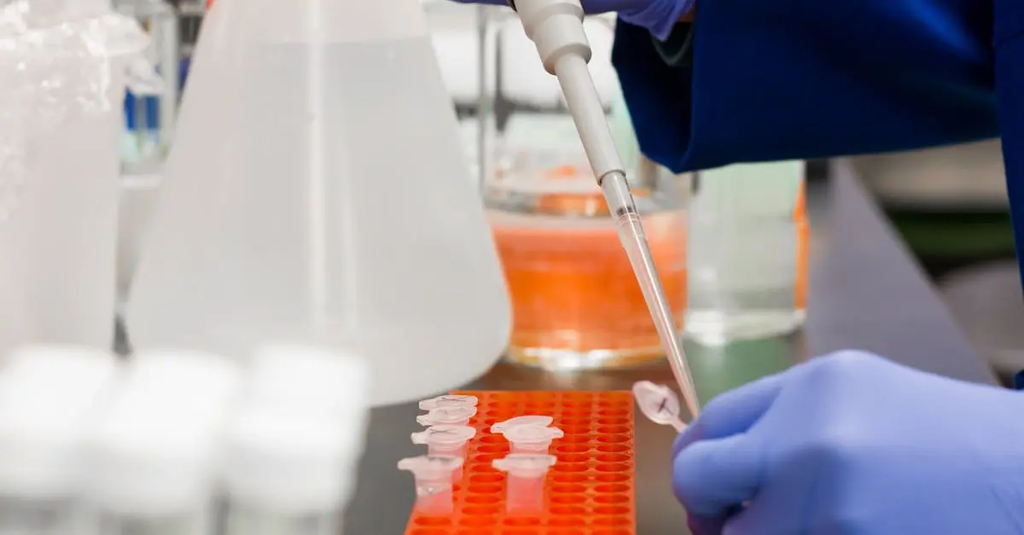
Regenerative medicine is a field focused on repairing or replacing damaged tissues and organs by harnessing the body’s natural healing processes. Stem cells, which have the unique ability to develop into various cell types, play a central role in this approach. By using stem cells, scientists aim to regenerate healthy tissue, treat diseases, and restore function, offering hope for conditions previously considered untreatable.
Regenerative Medicine & Stem Cells
Regenerative medicine is a field focused on repairing or replacing damaged tissues and organs by harnessing the body’s natural healing processes. Stem cells, which have the unique ability to develop into various cell types, play a central role in this approach. By using stem cells, scientists aim to regenerate healthy tissue, treat diseases, and restore function, offering hope for conditions previously considered untreatable.
💡 Key Takeaways
- Understand the goal of regenerative medicine: repair or replace damaged tissues and organs by harnessing the body's natural healing processes.
- Recognize why stem cells are central: they can differentiate into multiple cell types to form different tissues.
- Learn how stem cell-based approaches aim to restore function by guiding cells to replace or repair damaged tissue.
❓ Frequently Asked Questions
What is regenerative medicine?
A field focused on repairing or replacing damaged tissues and organs by leveraging the body's natural healing processes and advanced therapies.
What are stem cells and why are they central to regenerative medicine?
Stem cells can develop into multiple cell types and can self-renew, enabling tissue repair and replacement in regenerative medicine.
What are the main sources of stem cells used in therapies?
Embryonic stem cells (pluripotent); adult stem cells such as bone marrow or adipose tissue (multipotent); and induced pluripotent stem cells created by reprogramming adult cells.
How do stem cell therapies repair tissue?
They may differentiate into the needed cell types to replace damaged cells and/or secrete signaling molecules (paracrine effects) that promote healing; sometimes used with scaffolds in tissue engineering.
What are key challenges or considerations in regenerative medicine?
Ensuring safe and effective cell differentiation, immune compatibility, ethical issues, risk of tumor formation, and regulatory approvals.