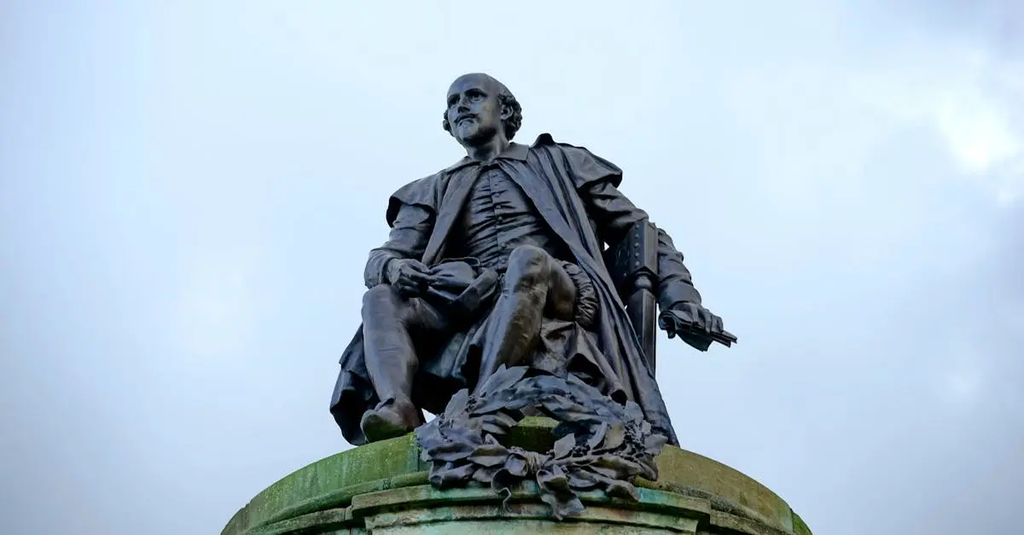
Regional and fringe theatre movements in the UK refer to the growth of innovative, independent theatre outside London’s West End. These movements champion local voices, experimental forms, and new writing, often addressing social and political issues. They provide a platform for emerging artists and diverse communities, fostering creativity and challenging mainstream narratives. Their impact has been vital in decentralizing British theatre, enriching the cultural landscape across cities and rural areas alike.
Regional and fringe theatre movements in the UK
Regional and fringe theatre movements in the UK refer to the growth of innovative, independent theatre outside London’s West End. These movements champion local voices, experimental forms, and new writing, often addressing social and political issues. They provide a platform for emerging artists and diverse communities, fostering creativity and challenging mainstream narratives. Their impact has been vital in decentralizing British theatre, enriching the cultural landscape across cities and rural areas alike.
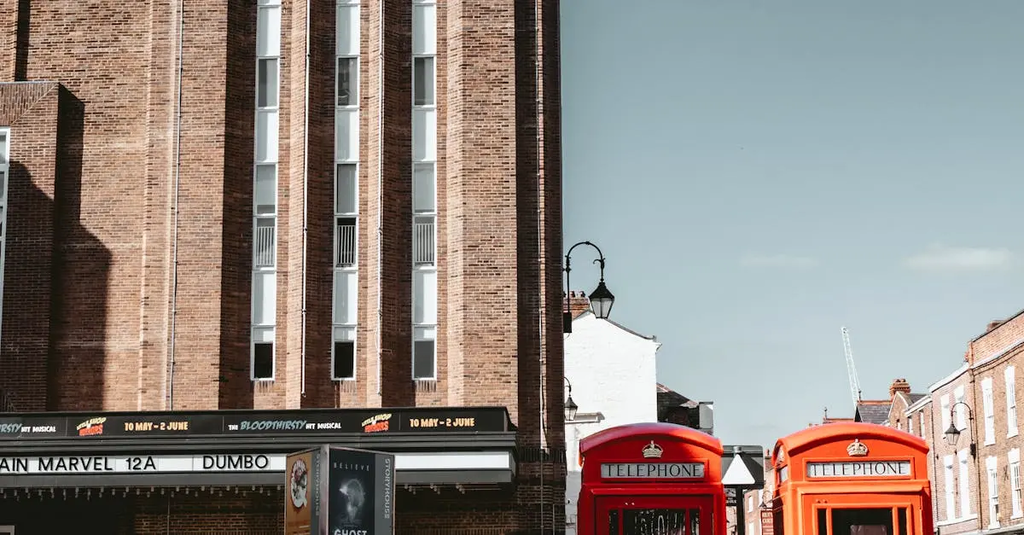
💡 Key Takeaways
- Understand what regional and fringe theatre movements are and why they thrive outside London's West End.
- Explore how these movements champion local voices, experimental forms, and new writing that addresses social and political issues.
- Identify key venues and platforms shaping UK regional and fringe theatre (such as the Edinburgh Festival Fringe and notable regional theatres).
- Learn how these movements are funded, produced, and sustained through touring, collaborations, and community engagement to support emerging artists.
❓ Frequently Asked Questions
What are regional theatre movements in the UK?
Theatre work produced outside London’s West End, often by regional companies, that highlights local voices, stories, and collaborative creation for local communities.
What is fringe theatre?
Independent, non-mainstream theatre with smaller budgets and venues, focusing on experimentation and new writing.
How do regional and fringe theatres differ from traditional West End productions?
They prioritize local audiences, development of new writers/performers, and innovative forms, whereas West End shows are typically high-budget, commercially oriented productions.
What is a well-known example of fringe theatre in the UK?
The Edinburgh Festival Fringe, the world’s largest fringe festival, showcasing a wide range of performances beyond the traditional theatre system.