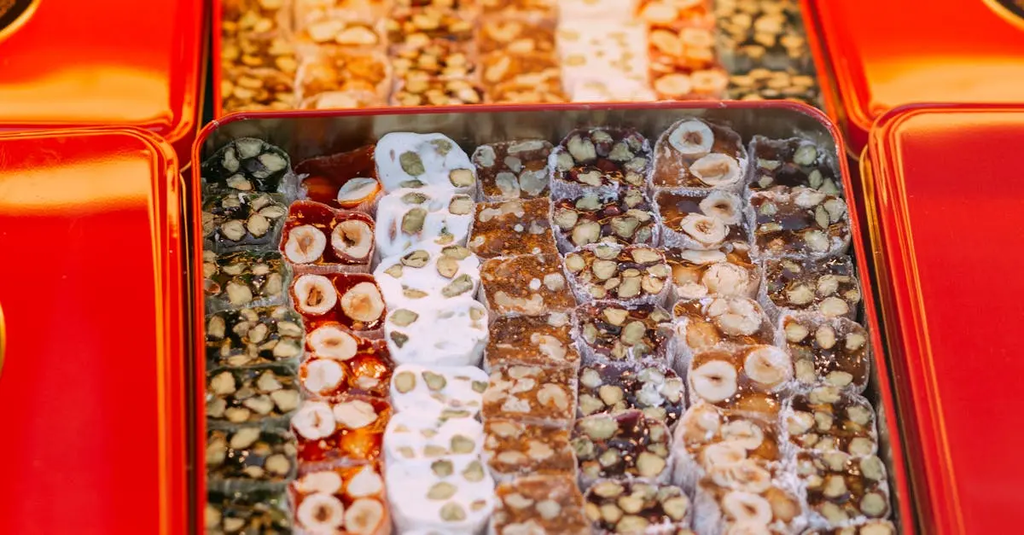
Regional candy and snack traditions refer to the unique sweets and treats that are popular or originate from specific geographic areas. These traditions are shaped by local ingredients, cultural influences, and historical events, resulting in distinctive flavors and preparation methods. Examples include Turkish delight in Turkey, mochi in Japan, and peanut brittle in the American South. Such treats often hold cultural significance, are enjoyed during festivals or celebrations, and reflect the culinary identity of their regions.
Regional Candy and Snack Traditions+50
Regional candy and snack traditions refer to the unique sweets and treats that are popular or originate from specific geographic areas. These traditions are shaped by local ingredients, cultural influences, and historical events, resulting in distinctive flavors and preparation methods. Examples include Turkish delight in Turkey, mochi in Japan, and peanut brittle in the American South. Such treats often hold cultural significance, are enjoyed during festivals or celebrations, and reflect the culinary identity of their regions.
💡 Key Takeaways
- Understand how geography and local ingredients shape regional candies and snacks.
- Learn how cultural influences and traditions influence flavors, textures, and presentation.
- Explore how history, trade, and events have shaped distinct preparation methods and iconic regional treats.
- Identify and compare regional confections by origin, ingredients, and techniques.
❓ Frequently Asked Questions
What defines a regional candy or snack tradition?
A treat that originates from or is closely associated with a specific geographic area, shaped by local ingredients, culture, history, and preparation methods.
What factors influence regional flavors and textures?
Local ingredients (dairy, fruit, grains), climate, traditional techniques, preservation methods, and cultural or religious practices.
How do historical events shape these traditions?
Migrations, trade, colonization, wars, and economic changes can introduce new ingredients or techniques and reinforce regional identity.
How can you identify a regional candy or snack?
Look for place-based names, ingredients tied to the region, distinctive preparation methods, or festival associations and sources about origin.
Why are regional candy and snack traditions important?
They reflect local resources, tastes, rituals, and community history, highlighting a region’s culinary identity.