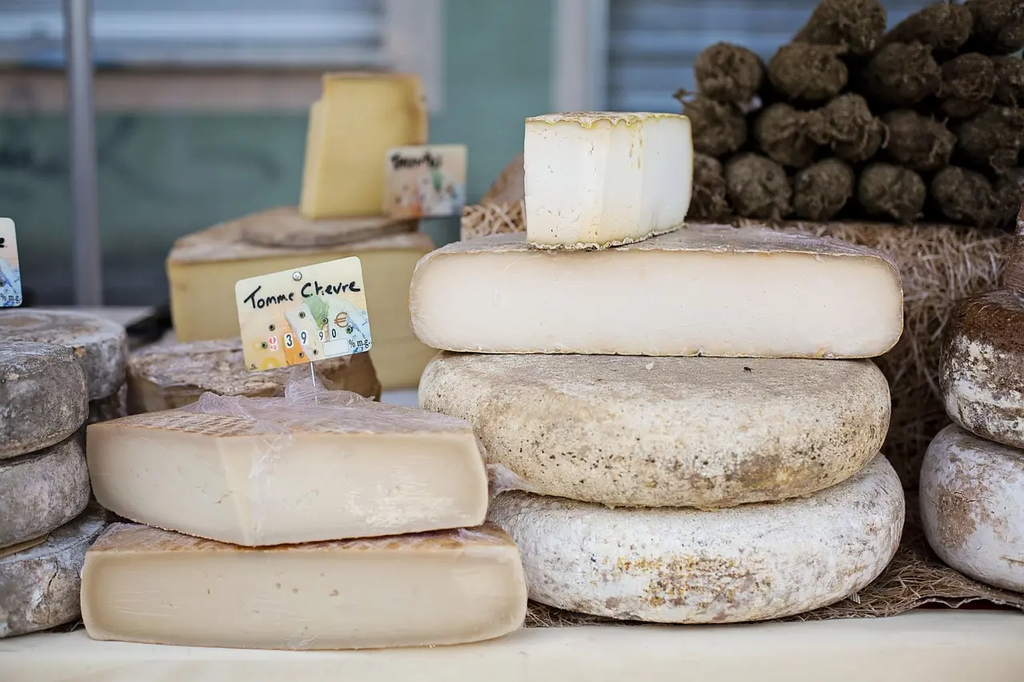
Regional cheese varieties refer to the diverse types of cheese produced in specific geographic areas around the world, each reflecting local traditions, climates, and ingredients. These cheeses, such as French Brie, Italian Parmigiano-Reggiano, and Spanish Manchego, showcase unique flavors and textures influenced by regional methods and cultures. Exploring these varieties offers insight into global culinary heritage and enriches food experiences with distinctive tastes from different parts of the world.
Regional Cheese Varieties
Regional cheese varieties refer to the diverse types of cheese produced in specific geographic areas around the world, each reflecting local traditions, climates, and ingredients. These cheeses, such as French Brie, Italian Parmigiano-Reggiano, and Spanish Manchego, showcase unique flavors and textures influenced by regional methods and cultures. Exploring these varieties offers insight into global culinary heritage and enriches food experiences with distinctive tastes from different parts of the world.
💡 Key Takeaways
- Identify regional cheese varieties and their origin regions.
- Explain how milk type and aging influence flavor and texture in regional cheeses.
- Describe how geography and culture shape cheese styles and production methods.
- Recommend pairing ideas and serving approaches for different regional cheeses.
❓ Frequently Asked Questions
What defines a regional cheese variety?
A cheese tied to a specific area, using local milk, traditional methods, and environmental factors that give it a distinct regional character.
What factors influence the flavor and texture of regional cheeses?
Milk source (animal type and breed), animal diet, climate and terroir, starter cultures, aging conditions, and processing techniques.
How does aging affect regional cheeses?
Aging concentrates flavors, alters texture from creamy to firm or crumbly, and develops unique aromas depending on time and humidity.
What are PDO and PGI, and why do they matter for regional cheeses?
PDO and PGI are EU labels that certify origin and traditional methods, helping protect authenticity and regional cheesemaking heritage.