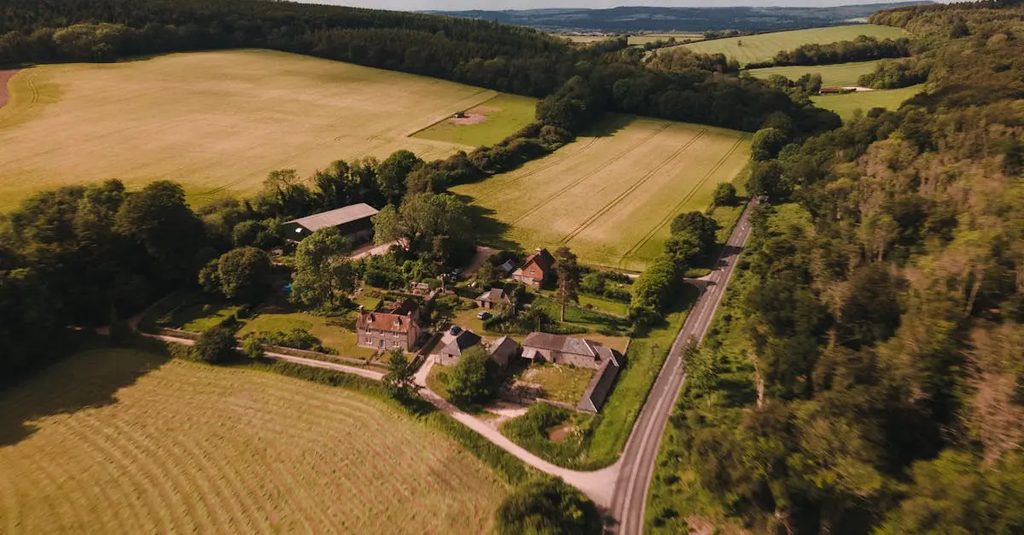
Regional climate patterns across the UK vary significantly due to its diverse geography. Western areas, particularly in Scotland and Wales, experience milder, wetter conditions influenced by the Atlantic Ocean, while eastern regions like East Anglia are generally drier and cooler. The north tends to be colder with more snowfall, especially in higher altitudes, whereas southern parts, including London, are warmer and sunnier. Coastal regions often have more moderate temperatures year-round.
Regional climate patterns across the UK
Regional climate patterns across the UK vary significantly due to its diverse geography. Western areas, particularly in Scotland and Wales, experience milder, wetter conditions influenced by the Atlantic Ocean, while eastern regions like East Anglia are generally drier and cooler. The north tends to be colder with more snowfall, especially in higher altitudes, whereas southern parts, including London, are warmer and sunnier. Coastal regions often have more moderate temperatures year-round.

💡 Key Takeaways
- Understand how the UK's varied geography creates regional climate patterns, with distinct west/east and north/south differences.
- Explain how the Atlantic Ocean moderates western Scotland and Wales, bringing milder winters and higher rainfall.
- Describe why eastern regions such as East Anglia are typically drier and cooler, with more pronounced seasonal variation.
- Recognize how mountains and uplands (for example the Highlands and Pennines) amplify rainfall and create local microclimates.
❓ Frequently Asked Questions
What factors drive regional climate patterns across the UK?
The Atlantic Ocean and prevailing westerly winds bring moisture, while geography—coasts, mountains, and plateaus—shapes rainfall and temperature. Western areas tend to be milder and wetter, while eastern regions are generally drier and cooler.
Why are western areas wetter than eastern regions?
Moisture-laden air from the Atlantic rises over western coasts and hills, causing frequent rainfall. The east tends to be drier due to rain shadows and less ocean influence.
How do the northern regions differ in climate from the southern parts?
The north is typically cooler and wetter, with more cloud and rainfall, especially in mountainous areas, than the south.
What are the typical climate characteristics of East Anglia?
East Anglia is generally drier and cooler than western areas, with less rainfall and more continental influence.
How does geography influence climate patterns across the UK?
Coastlines, mountains (like in Scotland and Wales), and inland plateaus shape wind and rainfall. The Atlantic-driven westerlies bring more rain to the west, while the east remains comparatively drier and cooler.