Regional spice routes trace the journey of fiery flavors like chili and pepper across continents, shaping distinctive culinary traditions. Chili peppers, originating in the Americas, traveled via trade routes to Asia, Africa, and Europe, transforming local cuisines and sparking new heat cultures. Pepper, native to South Asia, became a prized global commodity, influencing dishes worldwide. Together, these spices highlight the interconnectedness of regional foodways and the enduring appeal of bold, spicy flavors.
Regional spice routes: chili, pepper, and American heat cultures
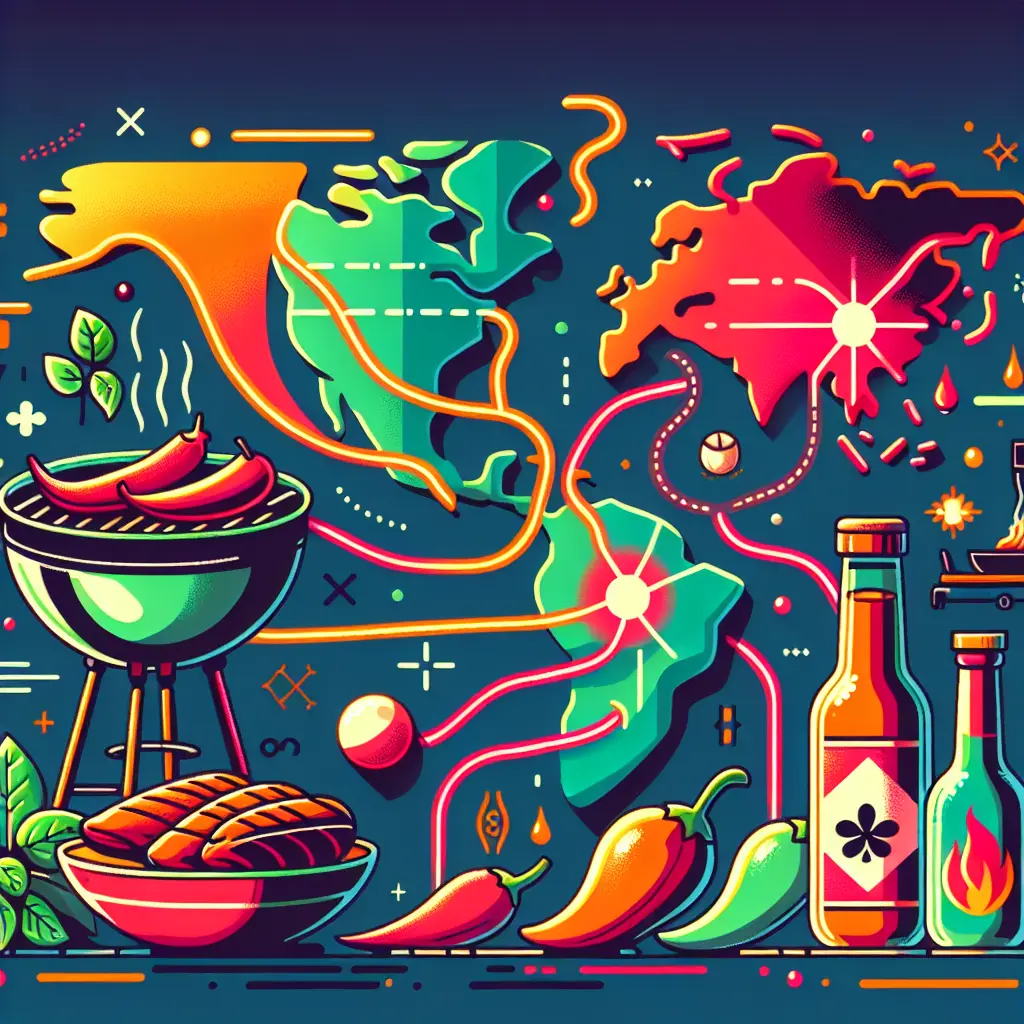
Regional spice routes trace the journey of fiery flavors like chili and pepper across continents, shaping distinctive culinary traditions. Chili peppers, originating in the Americas, traveled via trade routes to Asia, Africa, and Europe, transforming local cuisines and sparking new heat cultures. Pepper, native to South Asia, became a prized global commodity, influencing dishes worldwide. Together, these spices highlight the interconnectedness of regional foodways and the enduring appeal of bold, spicy flavors.
💡 Key Takeaways
- Trace the origin of chili peppers in the Americas and their spread through global trade routes to Asia, Africa, and Europe.
- Explore how pepper varieties and heat levels shaped regional cuisines, creating distinct heat cultures around the world.
- Identify key historical exchanges—such as the Columbian Exchange, Silk Road, and Atlantic trade—that accelerated pepper diffusion and culinary innovation.
- Examine how peppers became central to American regional cooking, from Southwestern chiles and Texas chili to Cajun/Creole heat and Caribbean-influenced sauces.
❓ Frequently Asked Questions
Where did chili peppers originate and how did they reach other continents?
Chili peppers originated in the Americas (likely Mexico and nearby regions). After the Columbian Exchange began in the late 15th century, traders carried chilies to Asia, Africa, and Europe, where they were adopted into local cuisines.
What does the term 'regional spice routes' mean in this article?
It refers to historical trade networks that moved flavorings like chili peppers across continents, helping shape distinct heat-centered culinary traditions in different regions.
How did chili peppers influence world cuisines and 'heat cultures'?
Chili peppers introduced capsaicin-driven heat, added color and depth to dishes, and were integrated into sauces, stews, and everyday meals in regions such as Mexico, India, Ethiopia, Southeast Asia, and China.
What is the difference between chili peppers and black pepper?
Chili peppers are fruits of Capsicum plants that contain capsaicin (which provides heat). Black pepper comes from the Piper nigrum berry and provides pungency without capsaicin-induced heat.
What are some examples of American heat cultures that use chilies?
Mexican and Central American cuisines, Southwestern US and Tex-Mex traditions, Caribbean-influenced dishes, and modern fusion cuisines that feature jalapeños, habaneros, chipotles, and other chiles.