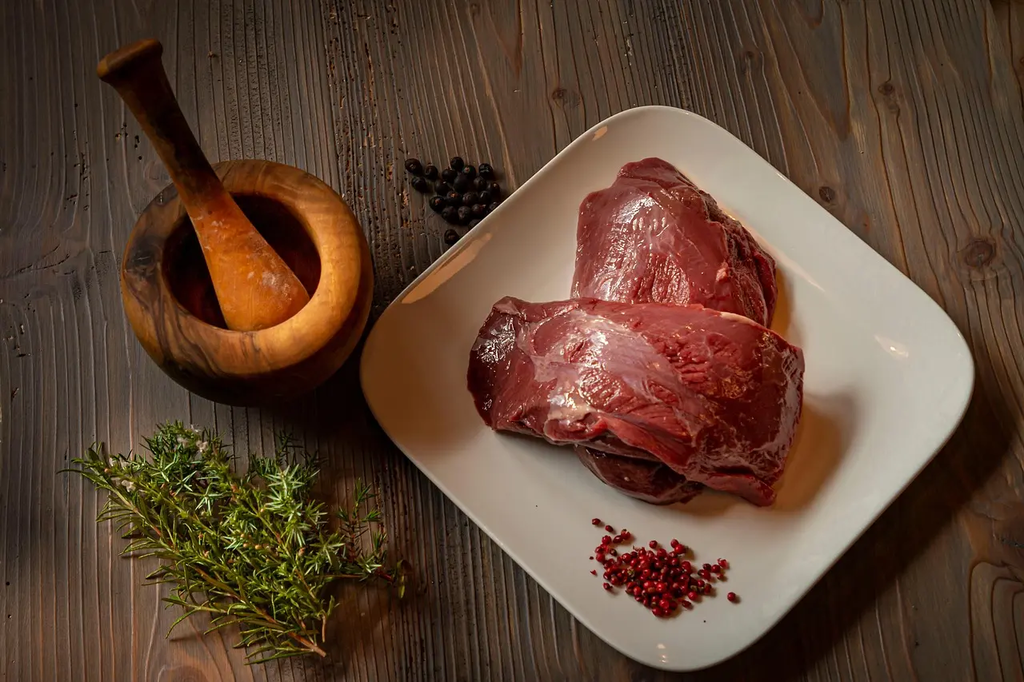
Regional variations in cuisine refer to the distinct culinary styles, ingredients, and cooking techniques found in different geographic areas. These differences are shaped by local climate, available resources, cultural traditions, and historical influences. As global flavors spread through travel and migration, regional cuisines often blend with international tastes, creating unique fusion dishes. This diversity enriches the global food landscape, offering a wide array of flavors and culinary experiences around the world.
Regional Variations in Cuisine
Regional variations in cuisine refer to the distinct culinary styles, ingredients, and cooking techniques found in different geographic areas. These differences are shaped by local climate, available resources, cultural traditions, and historical influences. As global flavors spread through travel and migration, regional cuisines often blend with international tastes, creating unique fusion dishes. This diversity enriches the global food landscape, offering a wide array of flavors and culinary experiences around the world.
💡 Key Takeaways
- Understand how geography and climate shape regional staples and dishes.
- Compare regional flavor profiles and common cooking techniques that define cuisines.
- Explore cultural, historical, and trade influences on regional culinary traditions.
- Learn a simple framework for classifying dishes by region and identifying regional signatures.
❓ Frequently Asked Questions
What factors drive regional variations in cuisine?
Geography, climate, and soil determine ingredients; culture, religion, and history shape flavors; and trade and migration bring new foods.
How do climate and geography influence regional dishes?
They affect which ingredients are available and how food is preserved, resulting in characteristic flavors and textures tailored to a region's environment.
How do traditional cooking techniques contribute to a region's culinary identity?
Techniques reflect local tools, climates, and practices, creating distinctive textures and flavor profiles unique to the region.
How do history, migration, and trade shape regional cuisines?
Movement of people and goods introduces new ingredients and methods, producing fusion dishes and evolving regional flavors.
How can you recognize regional cuisine in a quiz?
Look for clues about local ingredients, staple dishes, and cooking methods tied to a region, plus geographic or cultural context.