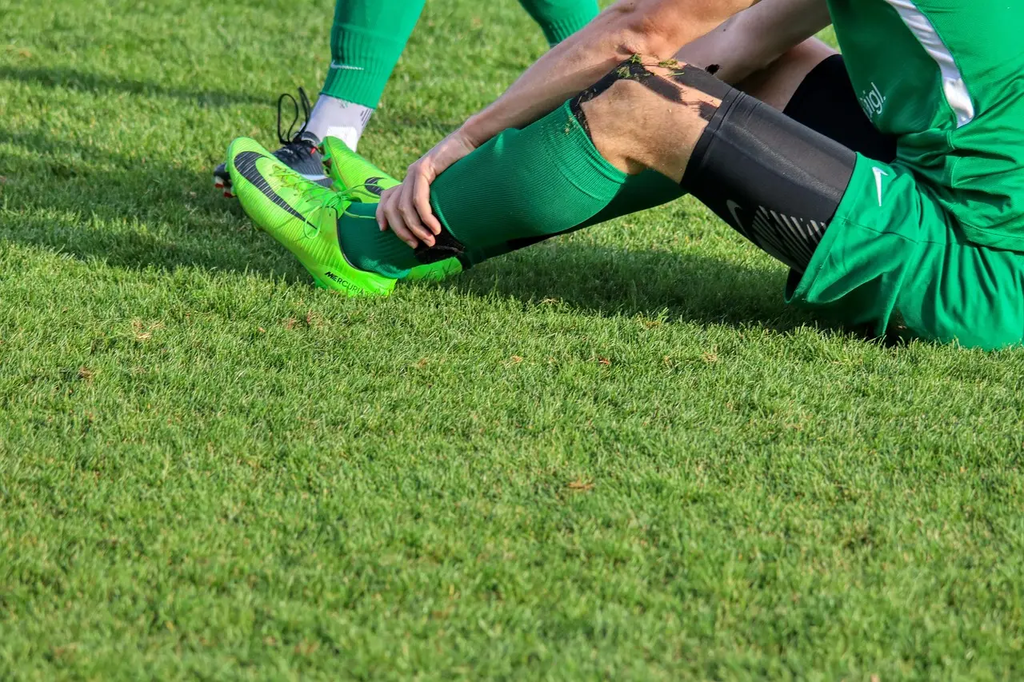
Rehab protocols for common injuries are structured plans designed to guide the recovery process after injuries such as sprains, strains, fractures, or post-surgical conditions. These protocols typically include progressive exercises, stretching, and functional activities tailored to restore mobility, strength, and flexibility. They are often developed by healthcare professionals to ensure safe and effective rehabilitation, minimize the risk of re-injury, and help patients return to their normal activities or sports as efficiently as possible.
Rehab Protocols for Common Injuries
Rehab protocols for common injuries are structured plans designed to guide the recovery process after injuries such as sprains, strains, fractures, or post-surgical conditions. These protocols typically include progressive exercises, stretching, and functional activities tailored to restore mobility, strength, and flexibility. They are often developed by healthcare professionals to ensure safe and effective rehabilitation, minimize the risk of re-injury, and help patients return to their normal activities or sports as efficiently as possible.
💡 Key Takeaways
- Understand the purpose of rehab protocols: structured plans that guide recovery after injuries or surgery.
- Learn how rehab progresses from gentle range of motion to strengthening and functional activities.
- Recognize how protocols are tailored to common injuries (sprains, strains, fractures) and individual needs.
- Identify safety practices: gradual progression and monitoring pain or swelling to adjust the plan.
❓ Frequently Asked Questions
What is a rehab protocol in fitness and sports?
A structured, phase-based plan to restore mobility, strength, and function after injuries or surgery, progressing gradually through ROM, strengthening, and functional activities under professional guidance.
What are the typical phases of a rehab protocol?
Protection/inflammation control, range-of-motion restoration, strength/endurance, proprioception/balance, and return-to-activity or sport-specific training.
Why are progressive exercises important?
They safely load healing tissues, promote adaptation, reduce stiffness, and lower re-injury risk by increasing intensity, range, and complexity over time.
How do clinicians decide when to advance to the next phase?
Progression is based on pain, swelling, range of motion, strength, and functional ability, with milestones or criteria guiding the move to the next phase.