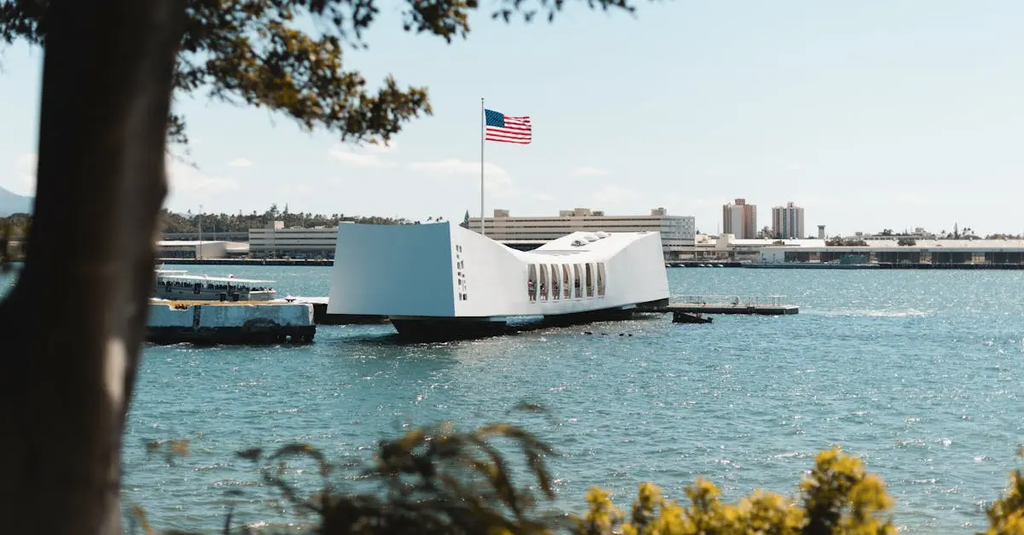
"Reimagining Monument Landscapes: From Removal to Recontextualization" refers to the evolving approach to public monuments, shifting from simply taking down controversial statues to thoughtfully transforming their meaning and context. Instead of erasing history, communities are exploring ways to reinterpret monuments, add new perspectives, or create inclusive narratives that reflect diverse experiences. This process encourages dialogue, critical reflection, and a more nuanced understanding of shared public spaces and collective memory.
Reimagining Monument Landscapes: From Removal to Recontextualization
"Reimagining Monument Landscapes: From Removal to Recontextualization" refers to the evolving approach to public monuments, shifting from simply taking down controversial statues to thoughtfully transforming their meaning and context. Instead of erasing history, communities are exploring ways to reinterpret monuments, add new perspectives, or create inclusive narratives that reflect diverse experiences. This process encourages dialogue, critical reflection, and a more nuanced understanding of shared public spaces and collective memory.

💡 Key Takeaways
- Understand the shift from removing controversial monuments to recontextualizing them within public spaces.
- Explore methods of recontextualization, such as interpretive plaques, companion artworks, and redesigned landscapes that broaden historical perspectives.
- Recognize the role of community engagement and inclusive storytelling in shaping reimagined monuments.
- Evaluate criteria and potential impacts (education, dialogue, memory, and local identity) when deciding between removal, relocation, or reinterpretation.
❓ Frequently Asked Questions
What does recontextualization mean in the context of public monuments?
Recontextualization is presenting a monument within a refreshed narrative—adding new context, perspectives, and meaning—rather than removing it or leaving it unchanged.
Why are communities choosing recontextualization over outright removal?
It preserves historical memory while addressing harm, invites dialogue, and reflects diverse experiences, making public spaces more informative and inclusive.
What are common strategies for recontextualizing monuments?
Add interpretive plaques or exhibits, provide oral histories or digital storytelling, place related artworks nearby, relocate to museums, or create new installations that broaden the narrative.
How can a community ensure recontextualization is respectful and accurate?
Engage affected communities early, base changes on solid research, include multiple perspectives, and welcome ongoing feedback and revisions.