Reinforcement Learning is a type of machine learning where an agent learns to make decisions by interacting with an environment. It receives feedback in the form of rewards or penalties based on its actions. The agent’s goal is to maximize cumulative rewards over time by discovering the best strategies or actions. This learning approach is widely used in areas like robotics, game playing, and autonomous systems, where optimal decision-making is essential.
Reinforcement Learning
Reinforcement Learning is a type of machine learning where an agent learns to make decisions by interacting with an environment. It receives feedback in the form of rewards or penalties based on its actions. The agent’s goal is to maximize cumulative rewards over time by discovering the best strategies or actions. This learning approach is widely used in areas like robotics, game playing, and autonomous systems, where optimal decision-making is essential.
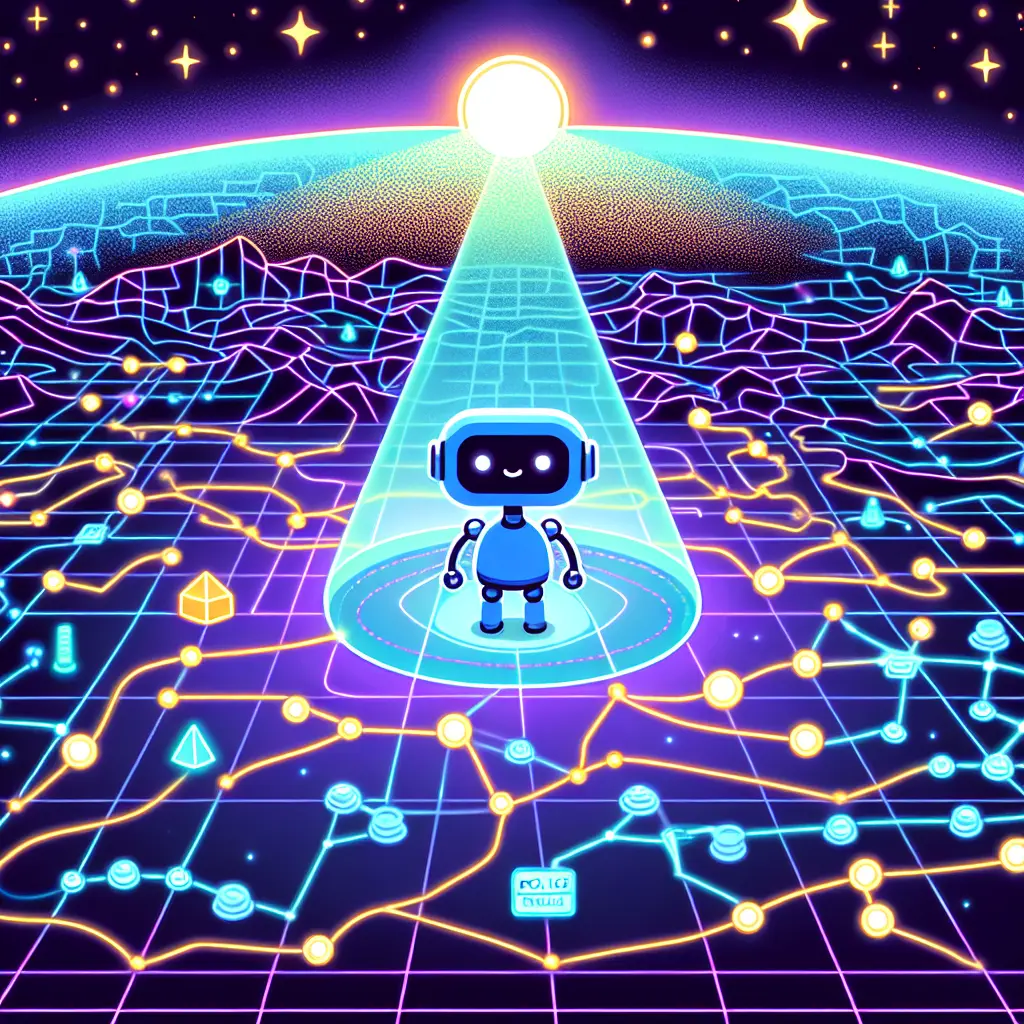
💡 Key Takeaways
- Understand that an agent makes decisions by interacting with an environment.
- Actions lead to rewards or penalties that signal the desirability of outcomes.
- The goal is to maximize the cumulative (long-term) rewards over time.
- The agent discovers the best strategy through trial-and-error experience.
❓ Frequently Asked Questions
What is reinforcement learning?
A type of machine learning where an agent learns to make decisions by interacting with an environment, receiving rewards or penalties, and aiming to maximize cumulative rewards over time.
What are the main components of a reinforcement learning setup?
Agent, environment, states, actions, rewards, and a policy that defines how actions are chosen.
What does cumulative reward mean in reinforcement learning?
The total reward an agent collects over time, often computed with a discount factor to emphasize longer-term strategy.
What is exploration versus exploitation?
Exploration tries new actions to learn more about the environment; exploitation uses known actions that yield high rewards. A good agent balances both.