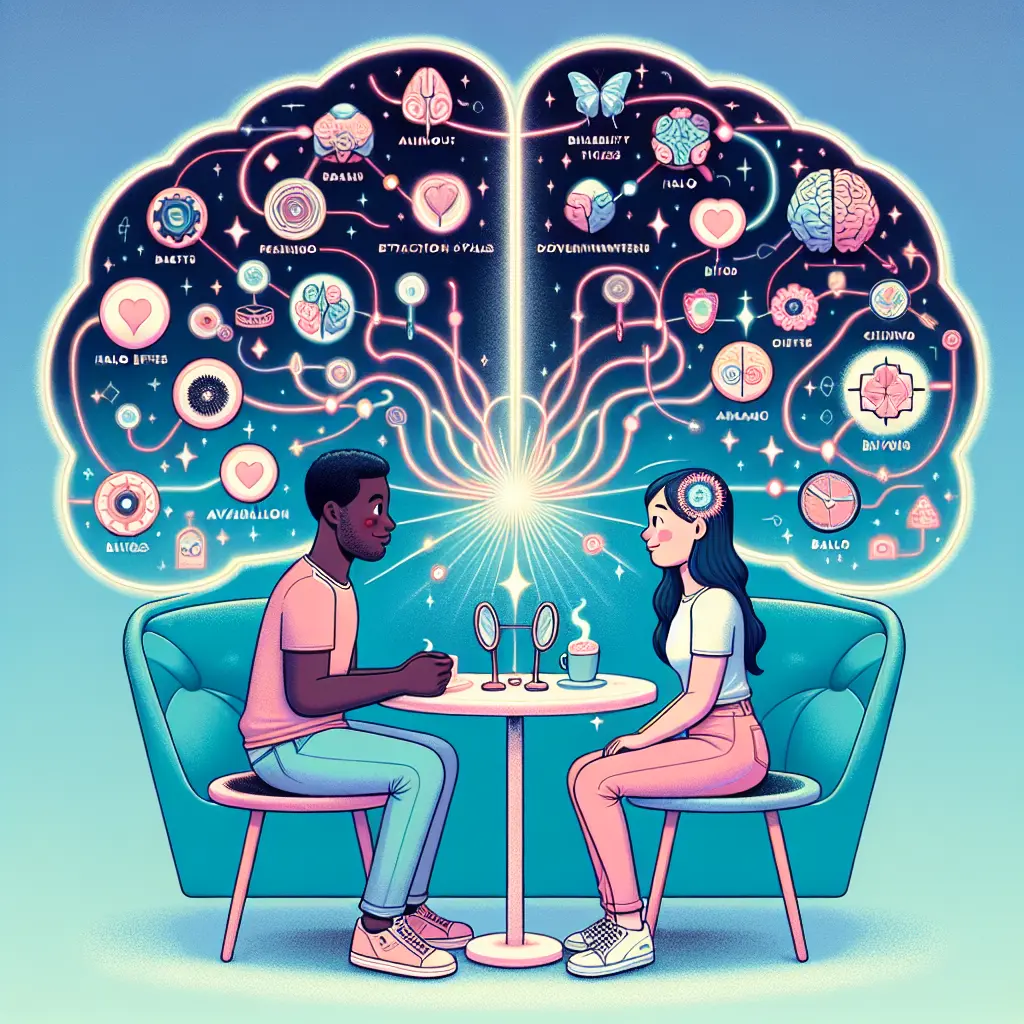
Relationship psychology explores how individuals think, feel, and behave within romantic, familial, or social relationships. It examines communication patterns, emotional needs, attachment styles, and conflict resolution. Biases in relationship psychology refer to unconscious beliefs or attitudes—such as confirmation bias or the halo effect—that influence perceptions and interactions. These biases can shape how partners interpret each other’s actions, potentially leading to misunderstandings or reinforcing existing beliefs, ultimately affecting relationship satisfaction and dynamics.
Relationship Psychology & Biases
Relationship psychology explores how individuals think, feel, and behave within romantic, familial, or social relationships. It examines communication patterns, emotional needs, attachment styles, and conflict resolution. Biases in relationship psychology refer to unconscious beliefs or attitudes—such as confirmation bias or the halo effect—that influence perceptions and interactions. These biases can shape how partners interpret each other’s actions, potentially leading to misunderstandings or reinforcing existing beliefs, ultimately affecting relationship satisfaction and dynamics.
💡 Key Takeaways
- Understand how communication patterns shape relationship dynamics and conflicts
- Identify attachment styles (secure, anxious, avoidant) and their effects on dating and partnerships
- Recognize core emotional needs and practical ways to meet them in relationships
- Recognize common biases in relationship thinking (e.g., confirmation bias, attribution errors) and how to reduce their impact
❓ Frequently Asked Questions
What is relationship psychology?
The study of how people think, feel, and behave in romantic, family, and social relationships, including patterns of communication, emotional needs, and conflict resolution.
What are attachment styles and why do they matter in dating?
Attachment styles are patterns from early bonding (secure, anxious, avoidant, disorganized) that influence closeness, trust, and reactions to conflict, shaping dating behavior and relationship satisfaction.
What are common communication patterns in healthy relationships?
Active listening, reflecting back, using 'I' statements, validating feelings, avoiding blame, and timing conversations constructively.
What biases affect how we see our partners?
Unconscious shortcuts like confirmation bias, halo/horn effects, negativity bias, and fundamental attribution error that color interpretations of partner actions.
How can understanding these concepts help me on a date or in a relationship?
It helps you recognize your needs, respond more calmly, communicate clearly, and make more informed choices about compatibility and handling conflicts.