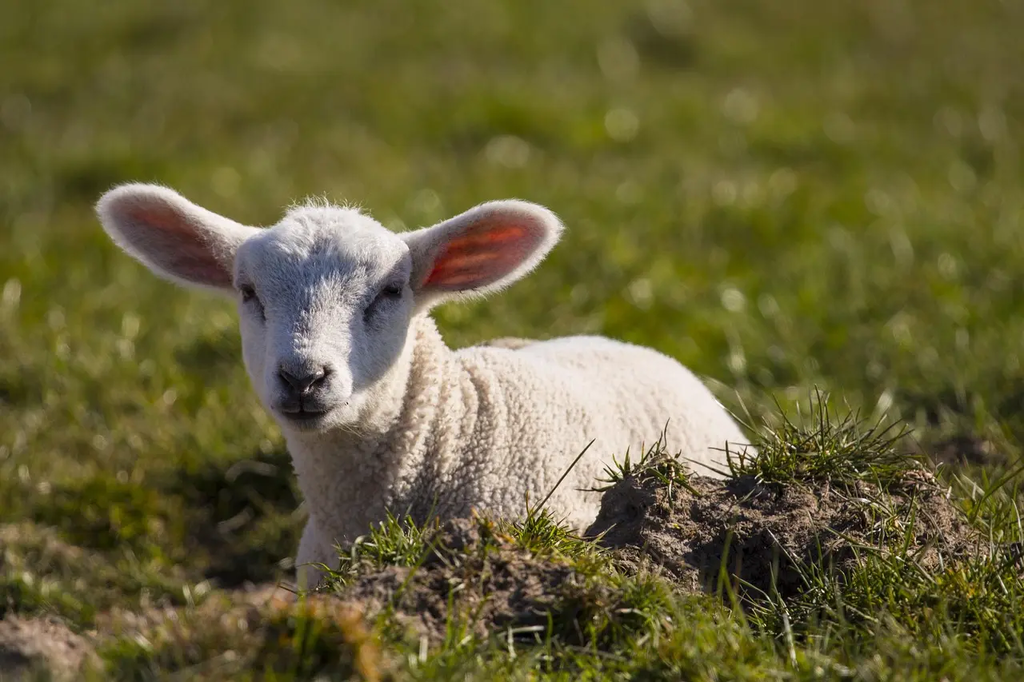
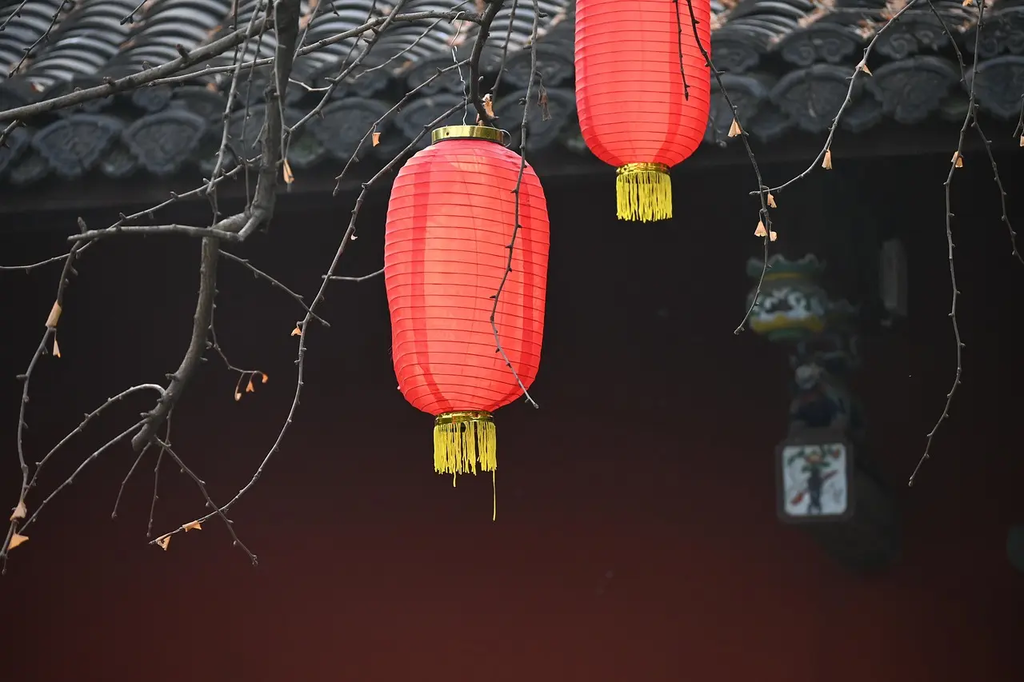
Religious celebrations are special events or ceremonies observed by followers of a particular faith to honor significant spiritual beliefs, traditions, or historical events. These occasions often involve rituals, prayers, gatherings, and festive activities that strengthen community bonds and express devotion. Examples include Christmas, Ramadan, Diwali, Hanukkah, and Vesak. Such celebrations provide opportunities for reflection, gratitude, and the reinforcement of shared values within religious communities.
Religious Celebrations+45
Religious celebrations are special events or ceremonies observed by followers of a particular faith to honor significant spiritual beliefs, traditions, or historical events. These occasions often involve rituals, prayers, gatherings, and festive activities that strengthen community bonds and express devotion. Examples include Christmas, Ramadan, Diwali, Hanukkah, and Vesak. Such celebrations provide opportunities for reflection, gratitude, and the reinforcement of shared values within religious communities.
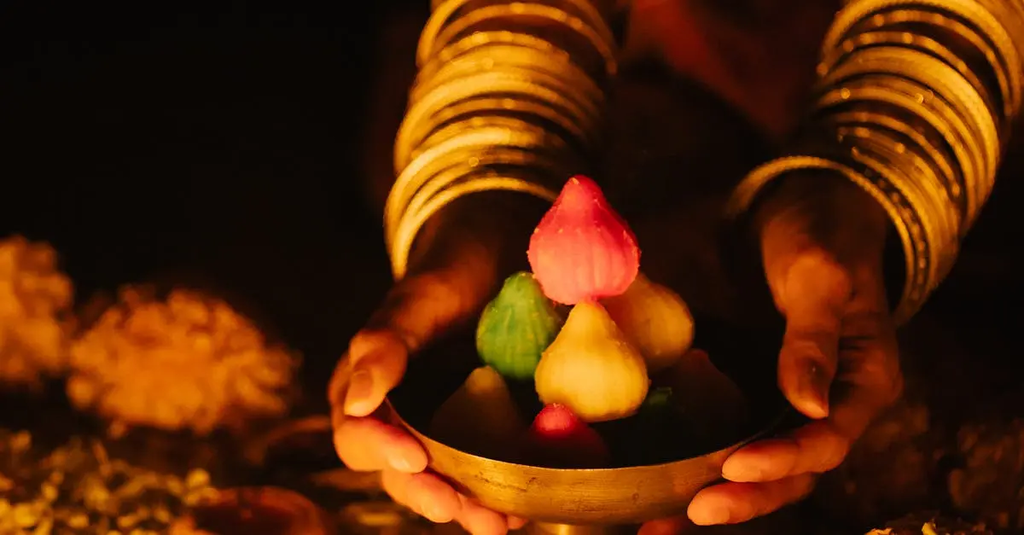
💡 Key Takeaways
- Define religious celebrations and what they honor (beliefs, traditions, or history).
- Identify common elements such as rituals, prayers, gatherings, and festive activities.
- Explain how celebrations strengthen community bonds and shared identity.
- Recognize diverse forms of celebrations across faiths (seasonal holidays, rites of passage, commemorations).
❓ Frequently Asked Questions
What is a religious celebration?
A ceremony or event observed by followers of a faith to honor sacred beliefs, traditions, or historical events, often featuring worship, rituals, and communal gathering.
What common elements do religious celebrations include?
Rituals, prayers, songs or chants, processions, symbolic foods, festive gatherings, and moments of reflection.
Why are religious celebrations important for communities?
They strengthen bonds, express devotion and gratitude, preserve traditions, and help pass beliefs and practices to future generations.
How do religious celebrations differ across faiths?
They vary in timing, rituals, symbols, languages, and rules, reflecting each tradition's beliefs and history while sharing goals like worship and fellowship.