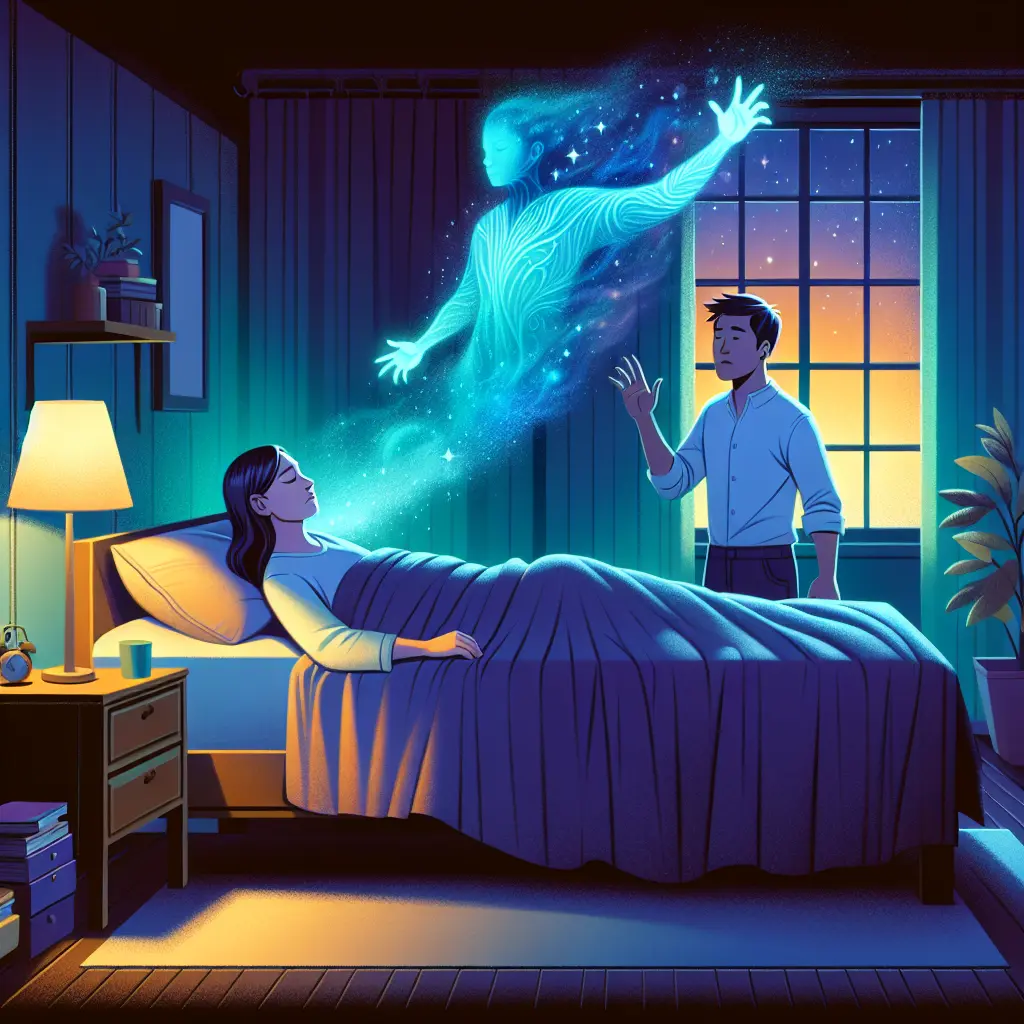
REM Behavior Disorder (RBD) and sleepwalking are both sleep disorders involving unusual behaviors during sleep. RBD occurs during REM sleep, causing individuals to physically act out vivid dreams, sometimes violently. In contrast, sleepwalking happens during non-REM sleep and involves walking or performing complex activities while still asleep, usually with no memory of the event. Both conditions can lead to injury and often require medical evaluation and management.
REM Behavior Disorder and Sleepwalking
REM Behavior Disorder (RBD) and sleepwalking are both sleep disorders involving unusual behaviors during sleep. RBD occurs during REM sleep, causing individuals to physically act out vivid dreams, sometimes violently. In contrast, sleepwalking happens during non-REM sleep and involves walking or performing complex activities while still asleep, usually with no memory of the event. Both conditions can lead to injury and often require medical evaluation and management.
💡 Key Takeaways
- Differentiate REM Behavior Disorder from sleepwalking: RBD occurs during REM sleep with dream enactment, while sleepwalking happens in non-REM sleep with movements during arousal.
- Recognize common behaviors: RBD involves acting out vivid dreams (sometimes violent); sleepwalking typically includes wandering, confusion, and limited recall.
- Identify risk factors and safety needs: age, neurological conditions, and certain medications can raise risk; create a safe sleep environment to prevent injury.
- Understand diagnosis and management: a sleep study (polysomnography) helps confirm diagnosis; management focuses on safety and may include melatonin or prescribed medications.
❓ Frequently Asked Questions
What is REM Behavior Disorder (RBD)?
RBD is a sleep disorder where, during REM sleep, the normal muscle paralysis is incomplete, causing a person to act out dreams, sometimes violently.
How is REM Behavior Disorder different from sleepwalking?
RBD occurs during REM sleep and involves enacting dreams, while sleepwalking happens during non-REM sleep and involves getting out of bed and moving around with limited awareness.
What are common signs of RBD and sleepwalking?
RBD signs include thrashing, punching, kicking, shouting, and injuries during sleep. Sleepwalking signs include leaving the bed, wandering, and performing routines, often with little or no memory of the events.
How is RBD diagnosed and managed?
Diagnosis usually involves a clinical history and overnight sleep study (polysomnography) to confirm REM without atonia. Management focuses on safety at home and may include melatonin (first-line) or low-dose clonazepam, plus addressing contributing factors.
Can RBD be an early sign of a bigger neurological condition?
Yes. In some people, RBD can precede neurodegenerative diseases such as Parkinson's disease or dementia with Lewy bodies. Regular medical follow-up is important.