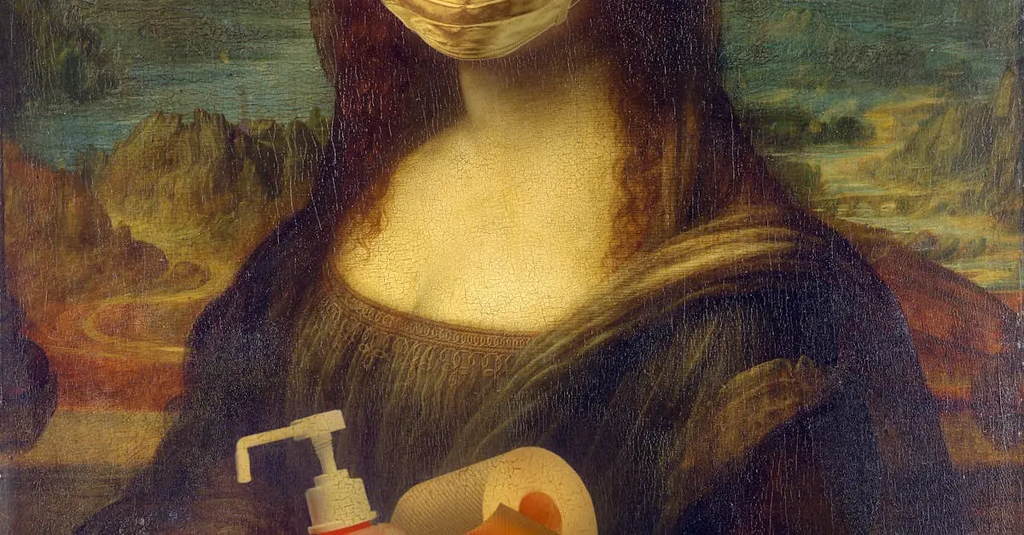
Remix culture refers to the practice of creatively reworking, combining, or adapting existing content—such as music, videos, or art—to produce something new. Attribution norms are the social and ethical guidelines that encourage creators to credit original sources when they remix or reuse material. Together, they highlight the balance between creative freedom and respect for original authorship, fostering innovation while maintaining recognition for original contributions.
Remix Culture and Attribution Norms
Remix culture refers to the practice of creatively reworking, combining, or adapting existing content—such as music, videos, or art—to produce something new. Attribution norms are the social and ethical guidelines that encourage creators to credit original sources when they remix or reuse material. Together, they highlight the balance between creative freedom and respect for original authorship, fostering innovation while maintaining recognition for original contributions.
💡 Key Takeaways
- Define remix culture and its impact on contemporary creativity.
- Identify examples of remix in music, video, and art.
- Explain attribution norms and why crediting original creators matters.
- Outline practical best practices for attributing sources when remixing content.
❓ Frequently Asked Questions
What is remix culture?
Remix culture is a practice of reusing, reworking, or combining existing works to create something new. It emphasizes sharing, transformation, and collaboration.
What does attribution mean in remixes?
Attribution means giving credit to the original creators and sources when you remix or reuse content, including naming authors, linking to the source, and noting changes.
Why is attribution important in remix culture?
Attribution respects creators’ rights, helps others find the originals, and supports transparency and trust in collaborative creativity.
What are common guidelines for giving attribution?
Follow license terms, clearly credit the original authors, indicate what you changed, and provide links or references to the sources.