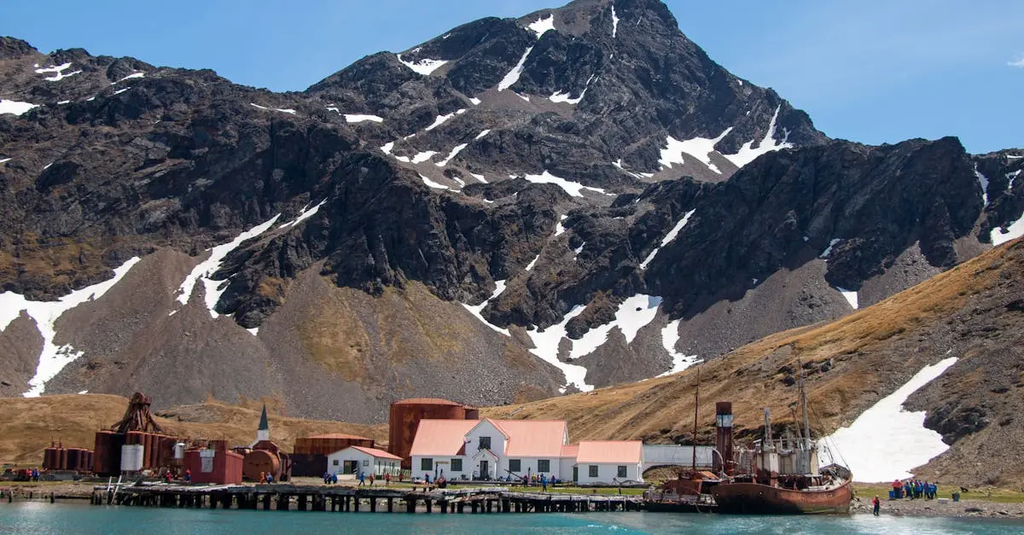
Remote islands and shipwreck sites evoke images of isolated landmasses surrounded by vast oceans, often untouched by modern civilization. These locations are steeped in mystery and history, where the remnants of sunken ships tell tales of exploration, tragedy, and adventure. Such places attract explorers, historians, and treasure seekers, drawn by the allure of discovering lost artifacts and unraveling secrets hidden beneath the waves or along rugged, windswept shores.
Remote Islands and Shipwreck Sites
Remote islands and shipwreck sites evoke images of isolated landmasses surrounded by vast oceans, often untouched by modern civilization. These locations are steeped in mystery and history, where the remnants of sunken ships tell tales of exploration, tragedy, and adventure. Such places attract explorers, historians, and treasure seekers, drawn by the allure of discovering lost artifacts and unraveling secrets hidden beneath the waves or along rugged, windswept shores.
💡 Key Takeaways
- Identify what makes remote islands and shipwreck sites unique for adventure.
- Outline essential safety, planning, and gear for extreme-location exploration.
- Understand the historical stories and technologies revealed by notable shipwrecks.
- Recognize ethical and environmental guidelines for visiting wrecks and fragile ecosystems.
❓ Frequently Asked Questions
What defines a remote island in adventure contexts?
Isolated landmasses far from populated areas with limited infrastructure, offering unique scenery, wildlife, and a sense of untouched wilderness.
Why are shipwreck sites historically significant?
They preserve artifacts and reveal stories about exploration, trade routes, maritime technology, and human experiences surrounding disasters.
What is maritime archaeology?
The study of underwater cultural resources, including shipwrecks and their artifacts, to understand past seafaring life and technology.
What should visitors consider to explore these sites responsibly?
Respect laws and protected areas, avoid disturbing artifacts or habitats, practice Leave No Trace, and seek guided access when required.
How do researchers document shipwreck sites?
They map locations, photograph artifacts, conserve finds, and analyze construction methods to illuminate historical shipbuilding and navigation.