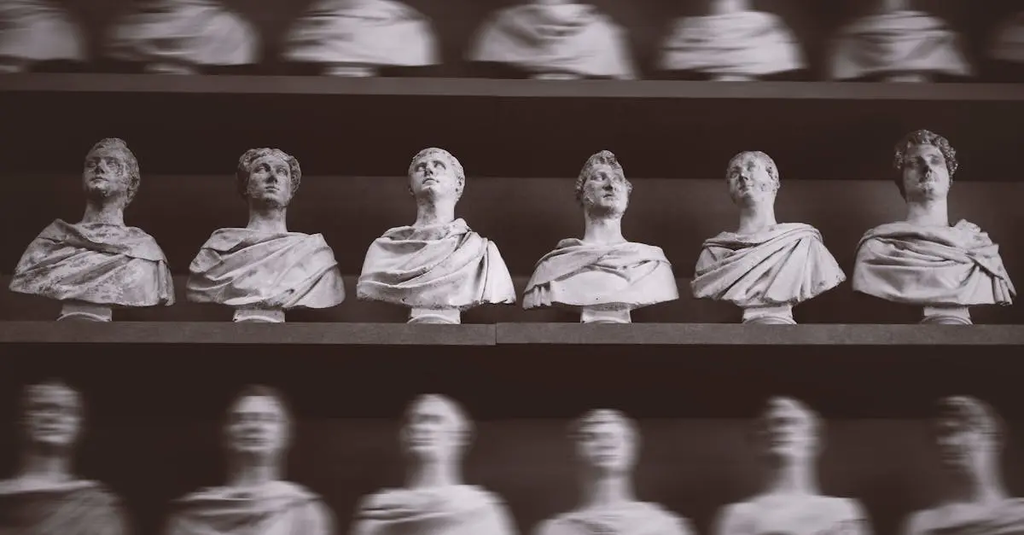
Renaissance Art Masterpieces refer to the exceptional works of art created during the Renaissance period, spanning the 14th to 17th centuries in Europe. These masterpieces are renowned for their realistic representation, innovative techniques, and profound exploration of human emotion and anatomy. Artists like Leonardo da Vinci, Michelangelo, and Raphael produced iconic paintings, sculptures, and frescoes that continue to influence art today, symbolizing a cultural rebirth and the height of artistic achievement.
Renaissance Art Masterpieces+50
Renaissance Art Masterpieces refer to the exceptional works of art created during the Renaissance period, spanning the 14th to 17th centuries in Europe. These masterpieces are renowned for their realistic representation, innovative techniques, and profound exploration of human emotion and anatomy. Artists like Leonardo da Vinci, Michelangelo, and Raphael produced iconic paintings, sculptures, and frescoes that continue to influence art today, symbolizing a cultural rebirth and the height of artistic achievement.
💡 Key Takeaways
- Understand how perspective, light, and anatomical accuracy created realism in Renaissance paintings.
- Explore how classical ideals and humanism shaped the subjects and styles of Renaissance masterpieces.
- Recognize key techniques such as chiaroscuro, sfumato, and oil glazing that enhanced depth and nuance.
- Observe how composition, emotion, and narrative convey human experience in Renaissance art.
❓ Frequently Asked Questions
What defines Renaissance art?
Renaissance art revives classical ideals with a focus on realism, natural portrayal of subjects, an interest in human emotion and anatomy, and the use of new techniques like perspective.
What is linear perspective and why is it important in Renaissance painting?
A system for depicting 3D space on a flat surface, creating depth and realistic spatial relationships; it was developed in the early Renaissance by artists like Brunelleschi and Masaccio and transformed how scenes were composed.
Which artists are widely regarded as Renaissance masters?
Leonardo da Vinci, Michelangelo, and Raphael are among the most celebrated Renaissance masters.
What techniques contributed to the realism of Renaissance masterpieces?
Techniques include perspective, chiaroscuro (light-dark contrast), sfumato (soft transitions), and careful study of anatomy and proportion.