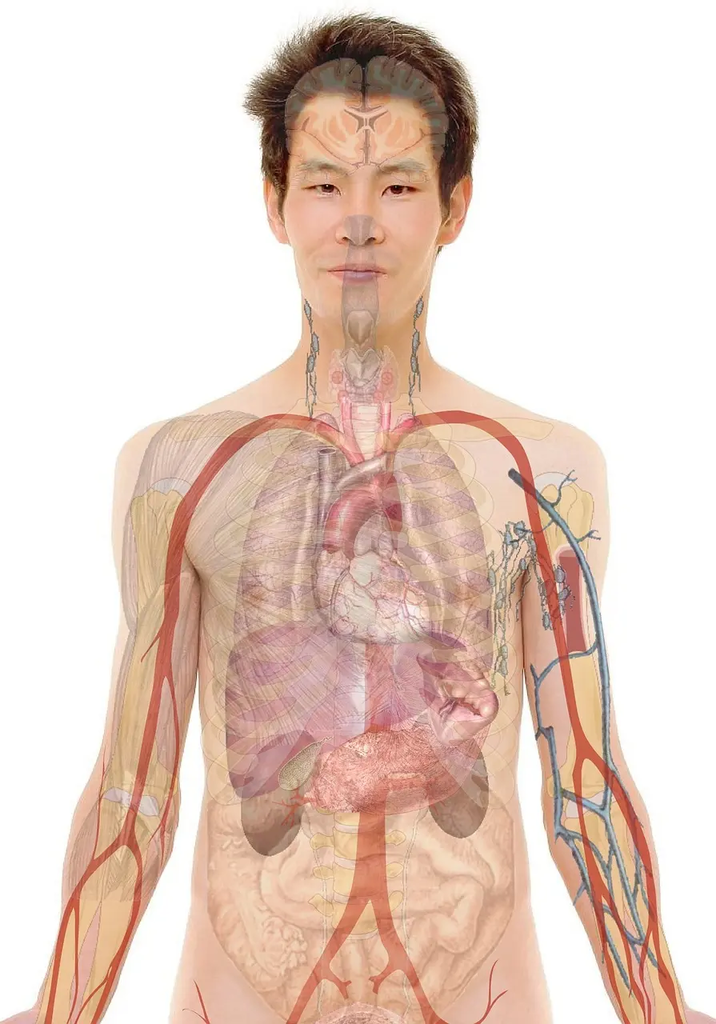
Renal disorders refer to diseases and conditions that impair the function of the kidneys, vital organs responsible for filtering waste and excess fluids from the blood. Common renal disorders include chronic kidney disease, kidney stones, and acute kidney injury. These conditions can lead to symptoms such as swelling, fatigue, and changes in urine output. Proper kidney function is essential for maintaining fluid balance, blood pressure, and overall health in the human body.
Renal Disorders
Renal disorders refer to diseases and conditions that impair the function of the kidneys, vital organs responsible for filtering waste and excess fluids from the blood. Common renal disorders include chronic kidney disease, kidney stones, and acute kidney injury. These conditions can lead to symptoms such as swelling, fatigue, and changes in urine output. Proper kidney function is essential for maintaining fluid balance, blood pressure, and overall health in the human body.
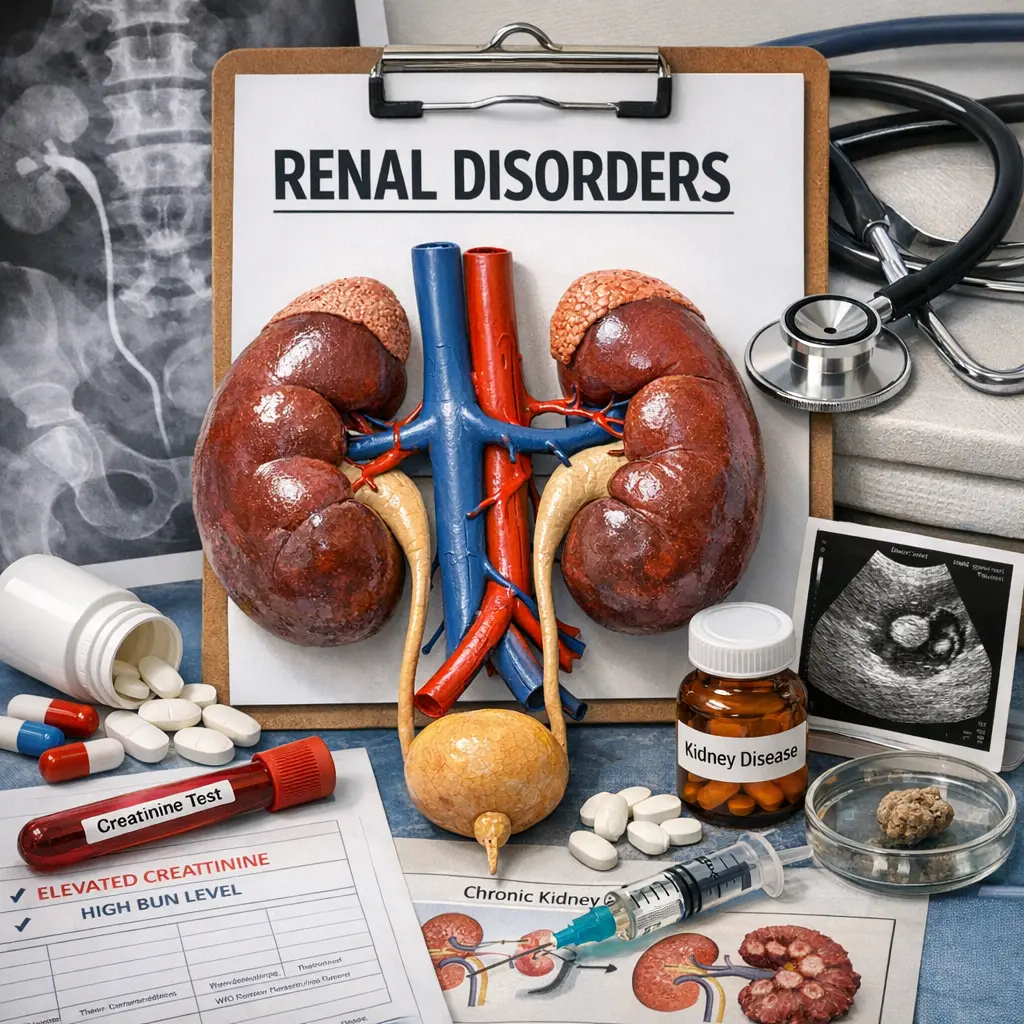
💡 Key Takeaways
- Understand the kidneys' key roles in filtering waste, maintaining fluid and electrolyte balance, and regulating blood pressure.
- Identify common renal disorders (e.g., kidney stones, chronic kidney disease, acute kidney injury, glomerulonephritis) and their typical symptoms.
- Learn the standard tests used to assess kidney function and classify disorders (creatinine/eGFR, BUN, urinalysis, electrolytes, and relevant imaging).
- Know basic management and prevention approaches, including treatment options, lifestyle changes, and red flags that require prompt medical attention.
❓ Frequently Asked Questions
What is a renal disorder?
A condition affecting the kidneys' ability to filter waste, balance fluids and electrolytes, and regulate blood pressure, ranging from mild problems to kidney failure.
What are common symptoms of renal disorders?
Fatigue, swelling (edema), changes in urination (color, frequency, foamy urine), flank or back pain, nausea, or high blood pressure.
How are renal disorders diagnosed?
Through medical history, physical exam, and tests such as urine analysis, blood tests (creatinine, BUN, electrolytes), eGFR, and imaging (ultrasound, CT, or MRI) as needed.
How are renal disorders treated or managed?
Treatment depends on the cause and stage. Management may include controlling blood pressure and blood sugar, medications to protect kidney function, dialysis or kidney transplant for kidney failure, and lifestyle changes like reducing salt intake and avoiding nephrotoxic drugs.