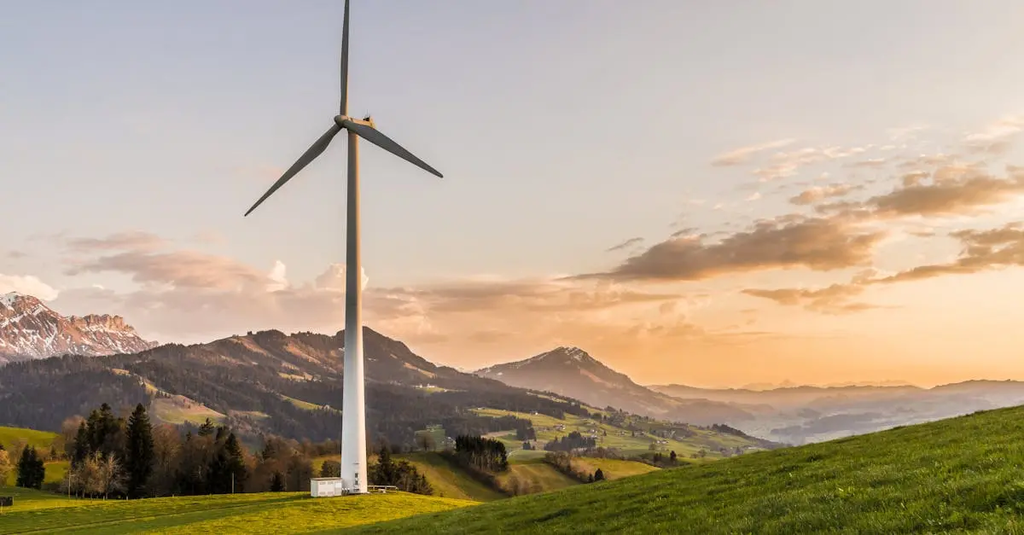
Renewable energy refers to power generated from natural sources that are continuously replenished, such as sunlight, wind, rain, tides, and geothermal heat. Unlike fossil fuels, renewable energy sources do not deplete over time and typically produce less pollution, making them environmentally friendly. Common forms include solar, wind, hydroelectric, and biomass energy. Utilizing renewable energy helps reduce greenhouse gas emissions and dependence on non-renewable resources, contributing to a sustainable future.
Renewable Energy+50
Renewable energy refers to power generated from natural sources that are continuously replenished, such as sunlight, wind, rain, tides, and geothermal heat. Unlike fossil fuels, renewable energy sources do not deplete over time and typically produce less pollution, making them environmentally friendly. Common forms include solar, wind, hydroelectric, and biomass energy. Utilizing renewable energy helps reduce greenhouse gas emissions and dependence on non-renewable resources, contributing to a sustainable future.
💡 Key Takeaways
- Define renewable energy and list examples such as sunlight, wind, rain, tides, and geothermal heat.
- Explain why renewable sources replenish naturally and are not depleted over time, unlike fossil fuels.
- Describe how renewables generally produce less pollution and offer environmental benefits.
- Identify real-world applications and considerations for renewable energy, including how it fits into power grids and storage needs.
❓ Frequently Asked Questions
What is renewable energy?
Renewable energy comes from sources that are naturally replenished on human timescales, such as sunlight, wind, water, tides, and geothermal heat. They don’t run out in practice.
What are common types of renewable energy sources?
Solar, wind, hydroelectric, tidal/wave, and geothermal power are common renewable sources.
Why is renewable energy considered environmentally friendly?
Most renewables produce little or no greenhouse gas emissions during operation and rely on abundant natural resources, reducing pollution and helping address climate change.
What is a major challenge of using renewable energy?
Intermittency: some sources vary with weather and time of day, so storage, grid integration, or backup power may be needed.