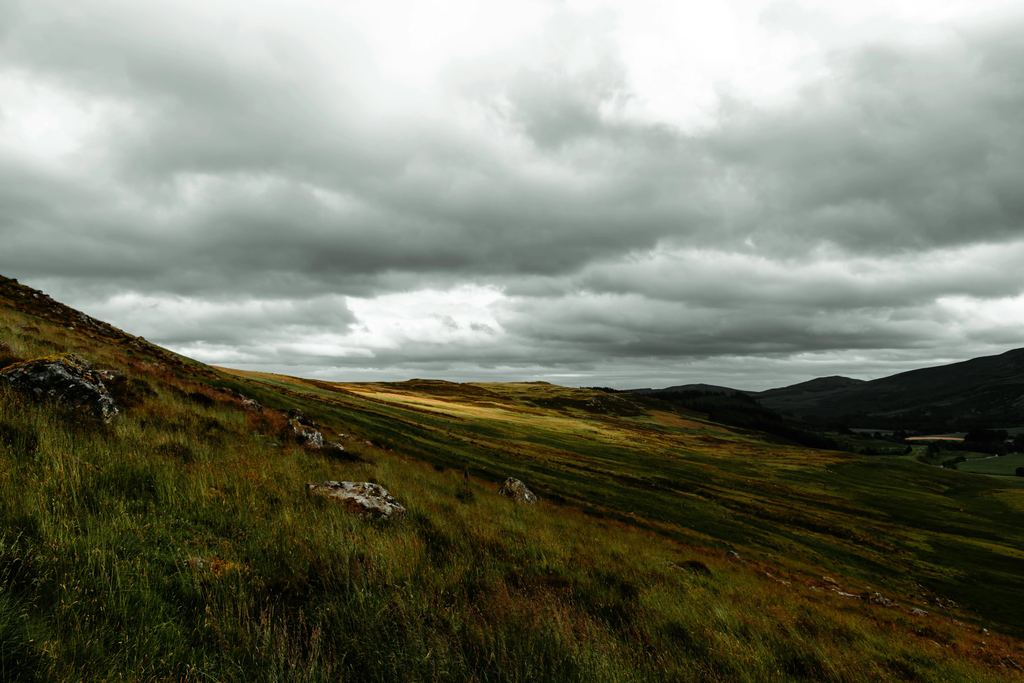
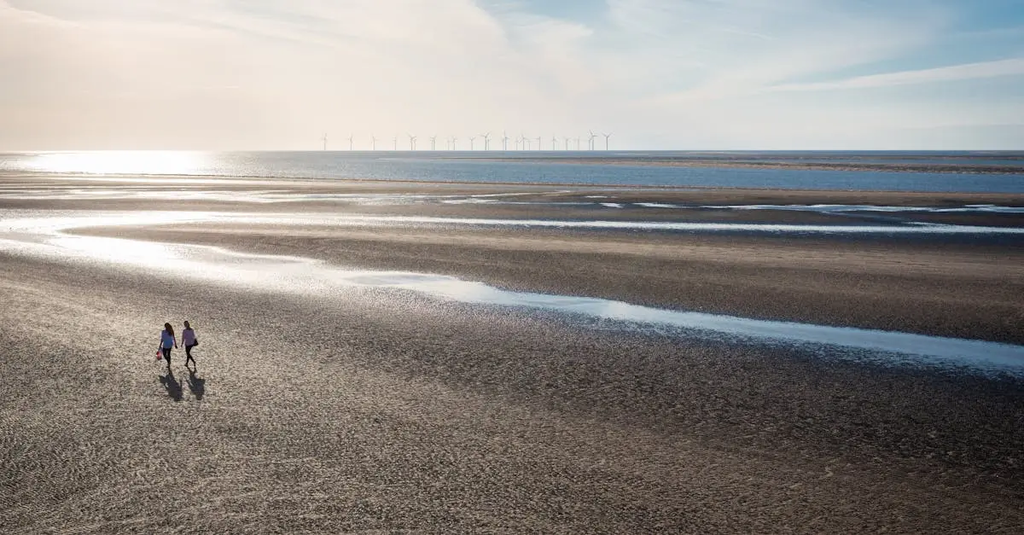
Renewable energy landscapes in the UK encompass diverse technologies such as wind farms, hydroelectric power stations, and tidal energy installations. Wind energy dominates with both onshore and offshore turbines, transforming rural and coastal vistas. Hydroelectric schemes utilize rivers and reservoirs, often integrated into scenic highland areas. Tidal energy projects harness predictable ocean movements, particularly around the coastline. Together, these features reflect the UK’s commitment to sustainable power while reshaping its natural and built environments.
Renewable energy landscapes: wind, hydro, tidal in the UK
Renewable energy landscapes in the UK encompass diverse technologies such as wind farms, hydroelectric power stations, and tidal energy installations. Wind energy dominates with both onshore and offshore turbines, transforming rural and coastal vistas. Hydroelectric schemes utilize rivers and reservoirs, often integrated into scenic highland areas. Tidal energy projects harness predictable ocean movements, particularly around the coastline. Together, these features reflect the UK’s commitment to sustainable power while reshaping its natural and built environments.
💡 Key Takeaways
- Identify the main UK renewable energy technologies covered (wind, hydro, tidal) and where they are typically found.
- Describe how wind farms (onshore and offshore) transform rural and coastal landscapes and factors that influence their siting.
- Explain how hydroelectric schemes use rivers and reservoirs to generate electricity and support energy resilience.
- Explain how tidal energy installations harness energy from tidal currents in coastal areas and their landscape implications.
❓ Frequently Asked Questions
What renewable energy technologies are most common in the UK's landscapes?
Wind farms (onshore and offshore) dominate, with hydroelectric power stations and tidal energy installations also present.
How do onshore and offshore wind farms differ in operation and impact?
Onshore wind farms are typically smaller and cheaper, located near communities; offshore farms access stronger winds, have higher capacity, and involve different visual and marine environmental considerations.
How do hydroelectric schemes work on UK rivers and reservoirs?
They store water in reservoirs or use run-of-river flow to drive turbines, generating electricity while providing storage and sometimes flood control.
What is tidal energy and how is it used in the UK?
Tidal energy uses the movement of tides to drive turbines or build tidal barrages; sites along fast-moving coastlines explore this technology and it currently contributes less electricity than wind.
How do renewable landscapes affect rural and coastal views in the UK?
Wind, hydro, and tidal installations shape horizons and skylines, while delivering clean energy and economic benefits; planning helps balance aesthetics, habitats, and community needs.