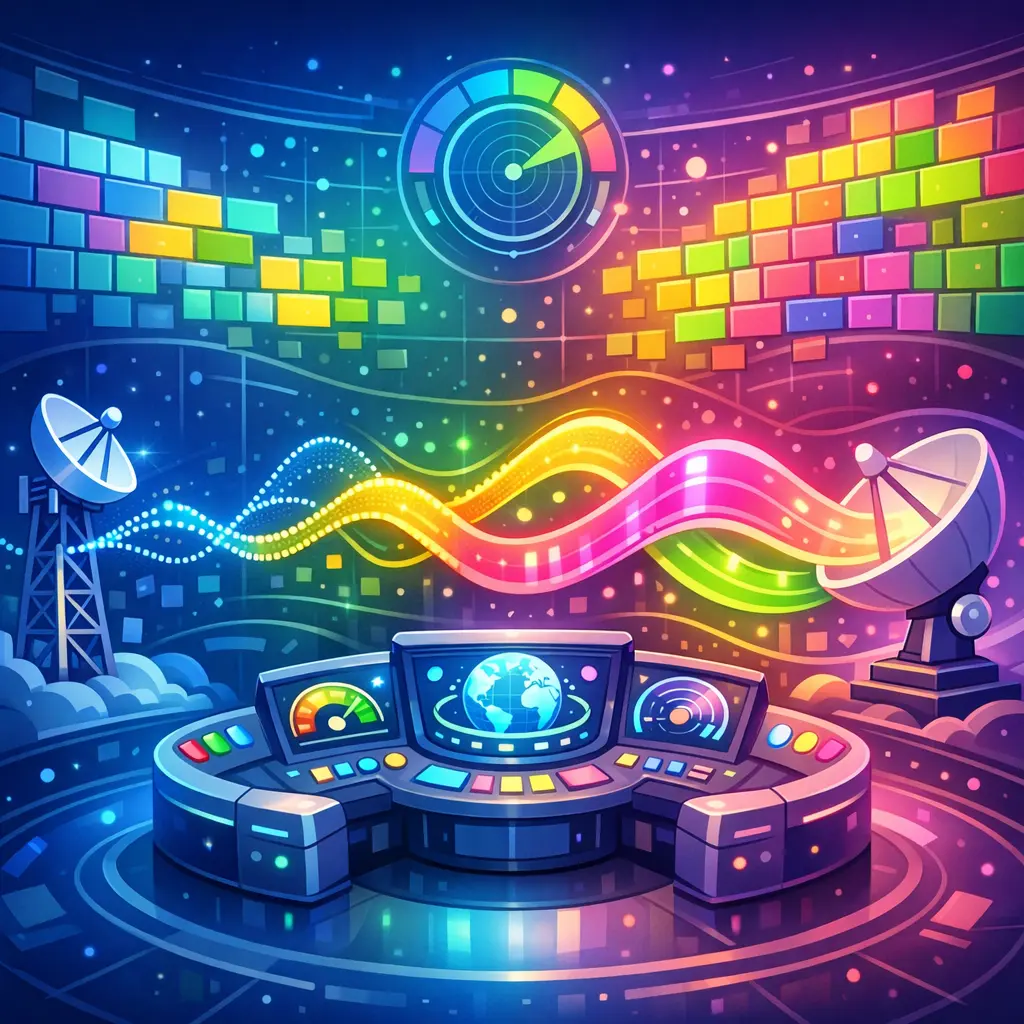
Renewable Energy Systems (Telecoms, Signals & Power) refers to the integration of sustainable energy sources, such as solar, wind, or hydro, into telecommunications networks, signaling infrastructure, and power supply systems. These systems aim to reduce reliance on fossil fuels, lower operational costs, and minimize environmental impact while ensuring reliable and uninterrupted operation of communication and signaling equipment in various sectors, including transportation and telecommunications.
Renewable Energy Systems
Renewable Energy Systems (Telecoms, Signals & Power) refers to the integration of sustainable energy sources, such as solar, wind, or hydro, into telecommunications networks, signaling infrastructure, and power supply systems. These systems aim to reduce reliance on fossil fuels, lower operational costs, and minimize environmental impact while ensuring reliable and uninterrupted operation of communication and signaling equipment in various sectors, including transportation and telecommunications.
💡 Key Takeaways
- Identify the main types of renewable energy systems (solar, wind, hydro, geothermal) and where they’re most effective.
- Explain how renewable energy systems convert natural resources into electricity and the role of inverters and storage.
- Compare the benefits and challenges of renewable energy systems, including emissions, costs, and intermittency.
- Recognize the key components of a renewable energy system (generation source, power conversion, storage, and grid connection).
❓ Frequently Asked Questions
What is renewable energy?
Energy from natural sources that replenish naturally, such as sunlight, wind, water, biomass, and geothermal heat, used to generate power without depleting finite resources.
What are the main types of renewable energy systems?
Common systems include solar photovoltaic (PV), wind turbines, hydroelectric plants, geothermal systems, and biomass setups, often paired with storage.
How does a solar photovoltaic (PV) system generate electricity?
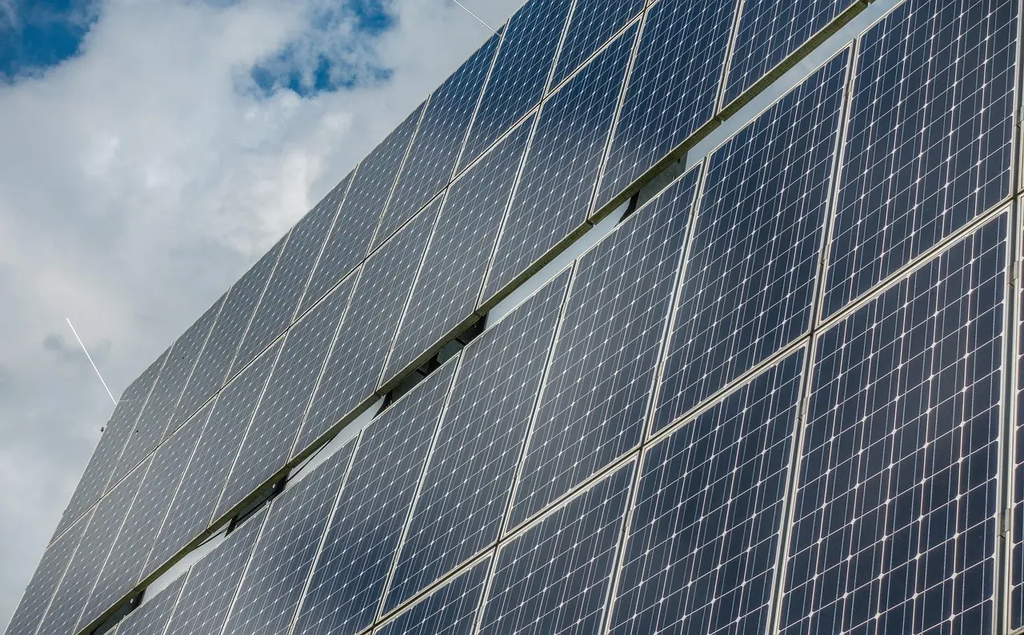
PV panels convert sunlight into direct current (DC) electricity; an inverter changes DC to alternating current (AC) for use in homes or the grid, sometimes with storage.
What are the main benefits and challenges of renewable energy systems?
Benefits: lower emissions, sustainable fuel supply, potential cost savings, and energy security. Challenges: higher upfront costs, variability, land/water use, and the need for storage and grid upgrades.