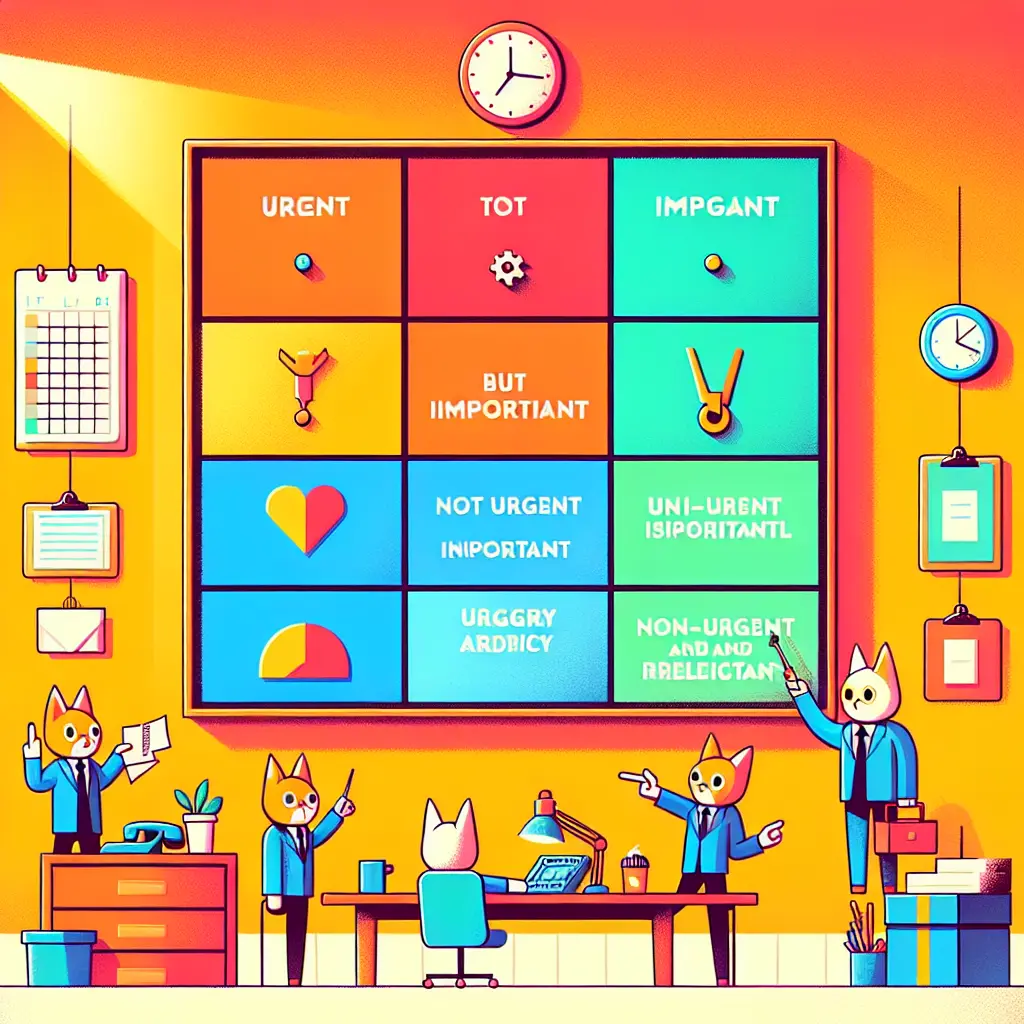
Resilient Scheduling & Anti-Fragility refers to designing systems or processes that not only withstand disruptions and unexpected changes but also adapt and improve because of them. Resilient scheduling ensures that tasks and resources can be efficiently reorganized during unforeseen events, minimizing downtime. Anti-fragility goes a step further by enabling the system to learn from disruptions, becoming stronger and more effective over time rather than merely surviving challenges.
Resilient Scheduling & Anti-Fragility
Resilient Scheduling & Anti-Fragility refers to designing systems or processes that not only withstand disruptions and unexpected changes but also adapt and improve because of them. Resilient scheduling ensures that tasks and resources can be efficiently reorganized during unforeseen events, minimizing downtime. Anti-fragility goes a step further by enabling the system to learn from disruptions, becoming stronger and more effective over time rather than merely surviving challenges.

💡 Key Takeaways
- Define resilient scheduling and anti-fragility in productivity and habits, and why they matter.
- Learn how to build flexible schedules that can reorganize tasks and resources quickly during disruptions.
- Master techniques like buffers, modular tasks, and priority shifts to minimize downtime and maintain momentum.
- Understand how resilient practices can turn disruptions into opportunities for learning and habit improvement, making systems anti-fragile.
❓ Frequently Asked Questions
What is resilient scheduling and why does it matter for productivity?
Resilient scheduling designs plans that adapt when disruptions occur, allowing quick reallocation of tasks and resources to keep work moving with minimal downtime.
How does anti-fragility differ from resilience in a productivity context?
Resilience means withstanding shocks; anti-fragility means actually improving because of shocks by learning, adapting, and strengthening your system after disruptions.
What practical steps can you take to implement resilient scheduling?
Build buffer time and contingency plans, design tasks to be modular, use flexible sequences, monitor progress, and reallocate work in real time.
What habits support anti-fragile productivity?
Regular reflection and experimentation, maintaining a backlog of small improvements, diversified routines, sufficient rest, and documenting lessons learned from disruptions.