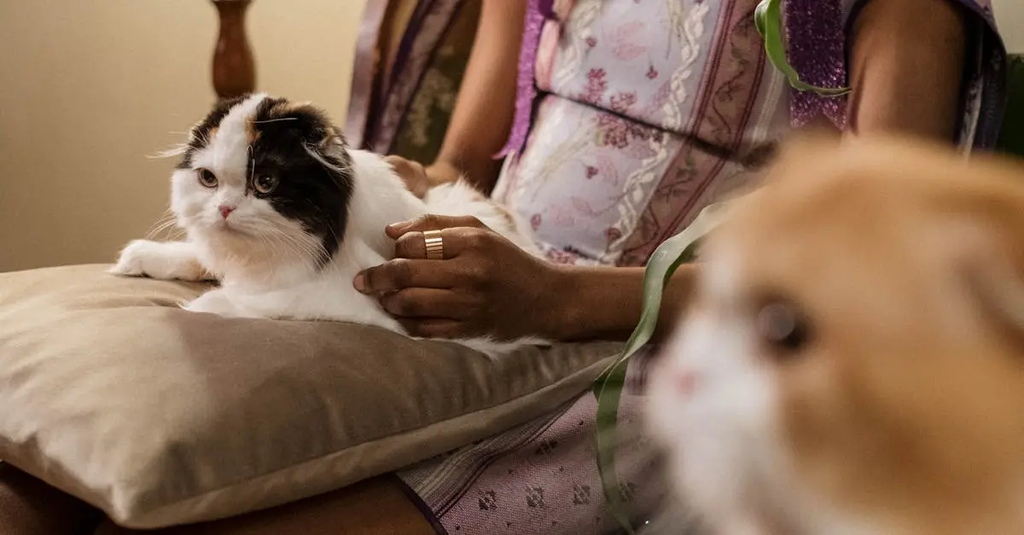
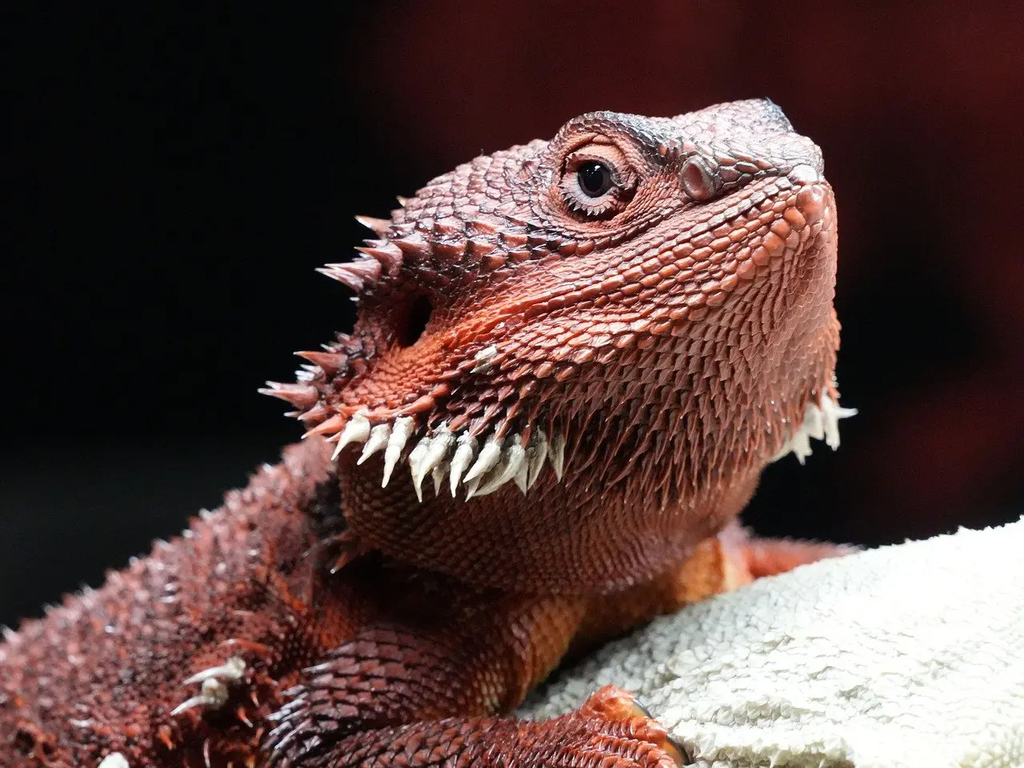
Responsible breeding and health screening involve carefully selecting parent animals to ensure the health, temperament, and genetic soundness of offspring. Breeders prioritize the well-being of animals by conducting thorough health tests to detect hereditary diseases and avoid passing on genetic defects. This approach helps reduce the risk of inherited conditions, supports breed improvement, and ensures that animals are raised in safe, ethical environments, ultimately promoting the welfare of both pets and future generations.
Responsible Breeding and Health Screening
Responsible breeding and health screening involve carefully selecting parent animals to ensure the health, temperament, and genetic soundness of offspring. Breeders prioritize the well-being of animals by conducting thorough health tests to detect hereditary diseases and avoid passing on genetic defects. This approach helps reduce the risk of inherited conditions, supports breed improvement, and ensures that animals are raised in safe, ethical environments, ultimately promoting the welfare of both pets and future generations.

💡 Key Takeaways
- Understand why responsible breeding prioritizes health, temperament, and genetic soundness in offspring.
- Know key health screenings and genetic tests breeders may use to detect hereditary diseases before mating.
- Learn how screening results guide breeding decisions to reduce disease risk in future pets.
- Recognize ethical responsibilities of breeders and buyers, including welfare, transparency of health records, and avoiding inbreeding.
❓ Frequently Asked Questions
What is responsible breeding?
Responsible breeding prioritizes the health, temperament, and welfare of animals by carefully selecting parent animals based on health, genetics, and behavior, avoiding overbreeding and minimizing inherited problems.
Why are health screenings important in breeding?
Health screenings help detect hereditary conditions in potential parents, reducing the chance of passing diseases to offspring and supporting healthier, happier animals.
What types of health tests are commonly performed before breeding?
Tests vary by breed but often include genetic DNA tests for known mutations, orthopedic exams (hips/elbows), eye exams, cardiac evaluations, and infectious disease checks.
How can I evaluate a breeder's commitment to animal welfare?
Look for documented health results for the parents, transparent lineage information, adherence to breed club guidelines, clean facilities, proper socialization, and a health guarantee or return policy.
What red flags indicate irresponsible breeding?
No health testing, frequent or rushed litters, poor living conditions, lack of records, pressure to take a puppy early, or selling to brokers without a chain of accountability.