Restoration of Arcade PCBs and CRT Calibration involves repairing and refurbishing the printed circuit boards (PCBs) found in classic arcade machines to ensure proper functionality, often by replacing damaged components or cleaning corrosion. CRT calibration refers to adjusting the cathode ray tube display settings—such as color, brightness, and geometry—to restore accurate visuals. Together, these processes revive vintage arcade systems, preserving their original gaming experience and appearance for enthusiasts and collectors.
Restoration of Arcade PCBs and CRT Calibration
Restoration of Arcade PCBs and CRT Calibration involves repairing and refurbishing the printed circuit boards (PCBs) found in classic arcade machines to ensure proper functionality, often by replacing damaged components or cleaning corrosion. CRT calibration refers to adjusting the cathode ray tube display settings—such as color, brightness, and geometry—to restore accurate visuals. Together, these processes revive vintage arcade systems, preserving their original gaming experience and appearance for enthusiasts and collectors.
💡 Key Takeaways
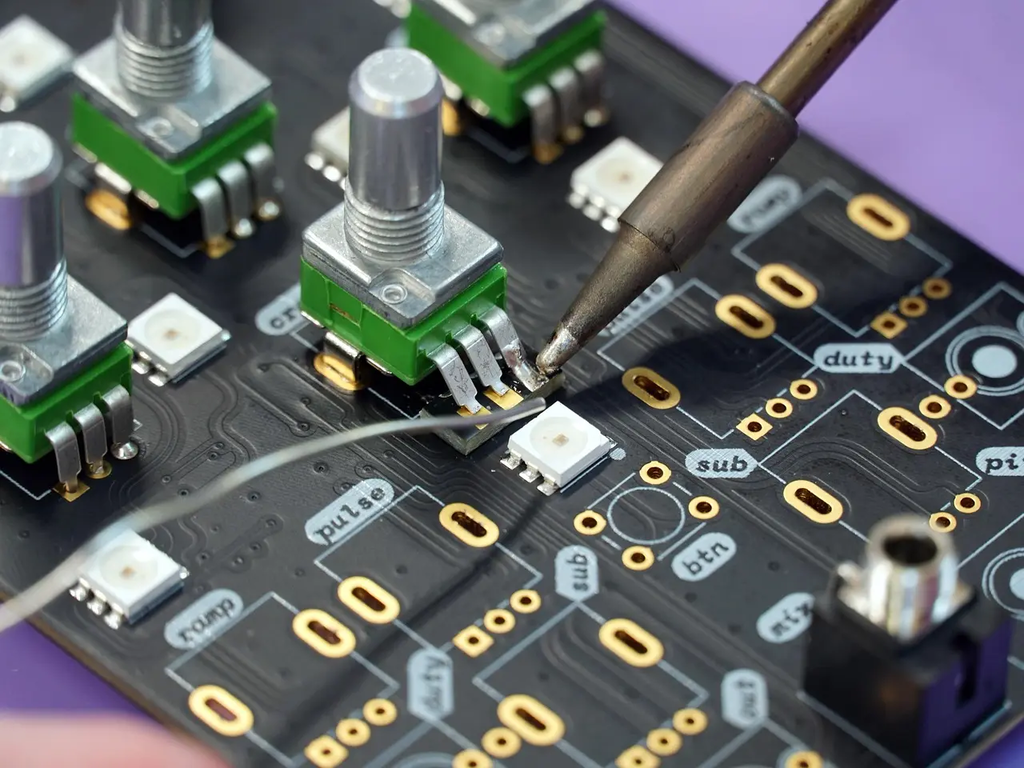
- Diagnose common arcade PCB issues and perform basic repairs, including cleaning corrosion and replacing damaged components.
- Follow refurbishment steps for arcade PCBs, such as reseating connectors, cleaning boards, and replacing aging capacitors.
- Understand CRT calibration basics: adjust geometry, convergence, purity, and focus for a crisp, properly aligned image.
- Practice safety when working with CRTs and high-voltage circuitry: power down, discharge capacitors, and use proper handling procedures.
❓ Frequently Asked Questions
What is an arcade PCB?
An arcade PCB is the printed circuit board that contains the game's logic, graphics, and sound hardware, connecting to the cabinet's power, monitor, and controls.
Why do arcade PCBs require restoration?
Over time components can fail or corrode; restoration replaces damaged parts and cleans connections to restore reliability and preserve original hardware.
What does CRT calibration involve?
CRT calibration adjusts the monitor's image geometry, focus, brightness, contrast, and color alignment to produce a clear, properly colored picture.
What safety considerations should you keep in mind when restoring arcade CRTs and PCBs?
Unplug the machine and be aware that capacitors and CRTs can store dangerous charges; use insulated tools and follow proper safety guidelines or consult a professional for high-voltage tasks.