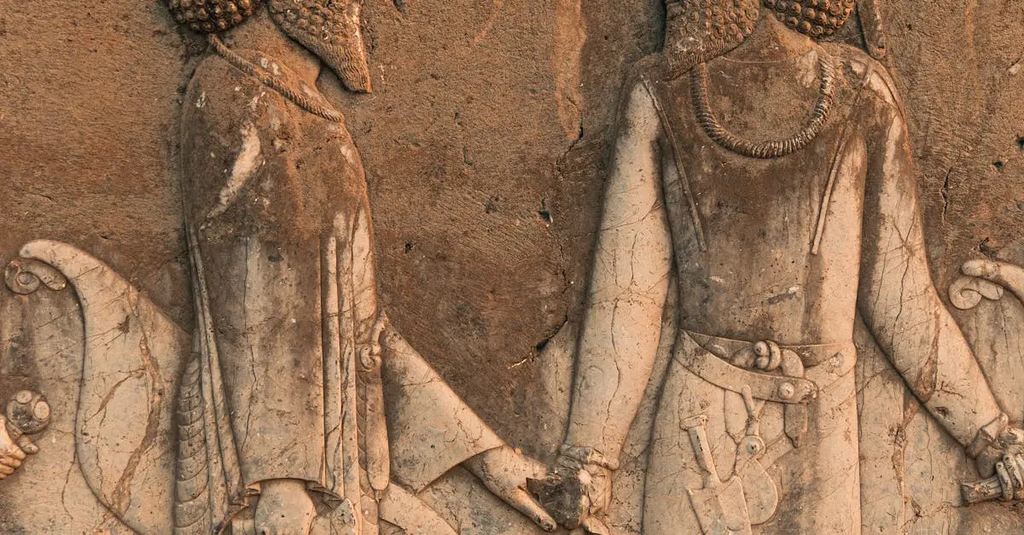
Restoration science and conservation involve the study and application of methods to preserve, repair, and maintain cultural, historical, or natural resources. This field combines scientific analysis with practical techniques to stabilize artifacts, artworks, ecosystems, or structures, ensuring their longevity and integrity. Conservation aims to prevent further deterioration, while restoration seeks to return items or environments closer to their original state, balancing authenticity with ethical and environmental considerations.
Restoration Science & Conservation
Restoration science and conservation involve the study and application of methods to preserve, repair, and maintain cultural, historical, or natural resources. This field combines scientific analysis with practical techniques to stabilize artifacts, artworks, ecosystems, or structures, ensuring their longevity and integrity. Conservation aims to prevent further deterioration, while restoration seeks to return items or environments closer to their original state, balancing authenticity with ethical and environmental considerations.
💡 Key Takeaways
- Understand the goals of restoration science: preservation, stabilization, and long-term maintenance of cultural, historical, and natural resources.
- Learn how to assess damage and identify materials using non-destructive scientific analysis.
- Explore stabilization, cleaning, repair, and reversible techniques for artifacts, artworks, structures, and ecosystems.
- Recognize the importance of preventive conservation, documentation, and environmental monitoring for durable preservation.
❓ Frequently Asked Questions
What is restoration science and conservation?
The study and application of methods to preserve, repair, and maintain cultural, historical, or natural resources, combining scientific analysis with practical techniques.
What are the main objectives of restoration and conservation?
Stabilize materials, prevent further deterioration, restore function or legibility where feasible, and preserve authenticity and historical value.
What common methods are used in restoration and conservation?
Materials analysis, cleaning, stabilization and consolidation, repairs with compatible materials, environmental control, and thorough documentation, with emphasis on reversibility when possible.
Why are ethics and documentation important in restoration and conservation?
Ethics guide interventions to respect original creators and context, avoid unnecessary alterations, and ensure a transparent, reversible record of all treatments for future study.