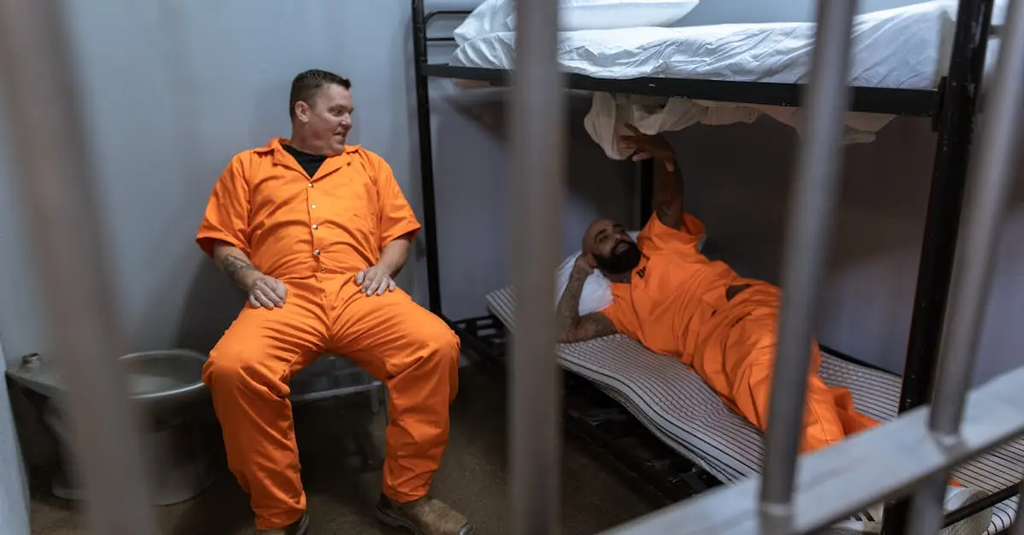
Restorative justice programs in U.S. jurisdictions are alternative approaches to traditional criminal justice processes, focusing on repairing harm caused by crime. These programs bring together victims, offenders, and community members to discuss the impact of an offense and collaboratively develop solutions for accountability and healing. Implemented in various forms across states, restorative justice aims to reduce recidivism, promote understanding, and foster stronger community relationships by prioritizing restoration over punishment.
Restorative justice programs in U.S. jurisdictions
Restorative justice programs in U.S. jurisdictions are alternative approaches to traditional criminal justice processes, focusing on repairing harm caused by crime. These programs bring together victims, offenders, and community members to discuss the impact of an offense and collaboratively develop solutions for accountability and healing. Implemented in various forms across states, restorative justice aims to reduce recidivism, promote understanding, and foster stronger community relationships by prioritizing restoration over punishment.
💡 Key Takeaways
- Define restorative justice and explain its emphasis on repairing harm to victims and communities instead of focusing solely on punishment.
- Describe who participates (victims, offenders, and community members) and how dialogues help discuss impacts and develop repair plans.
- Explain common formats used in U.S. jurisdictions (e.g., circle processes, victim–offender dialogues) and the typical steps from intake to agreement.
- Highlight how restorative justice differs from traditional criminal justice in goals, participation, and decision-making.
- Discuss potential outcomes and challenges, including measuring effectiveness, ensuring safety, cultural sensitivity, and resource needs for implementation.
❓ Frequently Asked Questions
What is restorative justice?
An approach that aims to repair the harm caused by crime by bringing victims, offenders, and community members together to discuss impact and agree on steps to make amends, rather than relying only on punishment.
Who participates in restorative justice programs in the United States?
Typically victims, offenders, and community members; participation is usually voluntary and guided by a trained facilitator; families or supporters may also join in some programs.
What are common formats used in restorative justice?
Victim–offender mediation, restorative circles, and conferences, which connect those affected to discuss the offense and develop a harm-repair plan.
How do these programs relate to the traditional criminal justice system?
They are often used as an alternative or complement to traditional processes, focusing on accountability and repair rather than punishment; legal status varies by jurisdiction.
What outcomes and limitations should I know about restorative justice?
Potential benefits include victim satisfaction, accountability, and sometimes lower recidivism; challenges include resource needs, power dynamics, applicability to offenses, and mixed results across jurisdictions.