Retro-Futurism Design Histories explores how past generations imagined the future through art, architecture, fashion, and technology. It examines the visual styles and cultural influences that shaped futuristic visions in different eras, such as the sleek lines of mid-century modernism or the bold graphics of 1980s sci-fi. By tracing these histories, retro-futurism reveals society’s hopes, anxieties, and creative responses to technological change across time.
Retro-Futurism Design Histories
Retro-Futurism Design Histories explores how past generations imagined the future through art, architecture, fashion, and technology. It examines the visual styles and cultural influences that shaped futuristic visions in different eras, such as the sleek lines of mid-century modernism or the bold graphics of 1980s sci-fi. By tracing these histories, retro-futurism reveals society’s hopes, anxieties, and creative responses to technological change across time.

💡 Key Takeaways
- Identify how different eras imagined the future (e.g., mid-century space age, 1980s cyberpunk) and why.
- Explore how art, architecture, fashion, and technology blend to shape retro-futurist visuals across periods.
- Recognize recurring motifs—sleek lines, chrome, bold geometry, and grid patterns—and their symbolic meanings.
- Explain how the era’s cultural context and technological hopes influenced its futuristic imagery.
- Compare regional and media variations to see how different cultures envisioned future life.
❓ Frequently Asked Questions
What is retro-futurism design?
A design approach that imagines future aesthetics by remixing past-era styles from art, architecture, fashion, and technology.
Which design eras most influence retro-futurist visuals?
Mid-century modernism's sleek lines, space-age optimism of the 1950s–60s, bold graphics and typography, and related Art Deco influences.
How can you spot retro-futurism in a building, poster, or product?
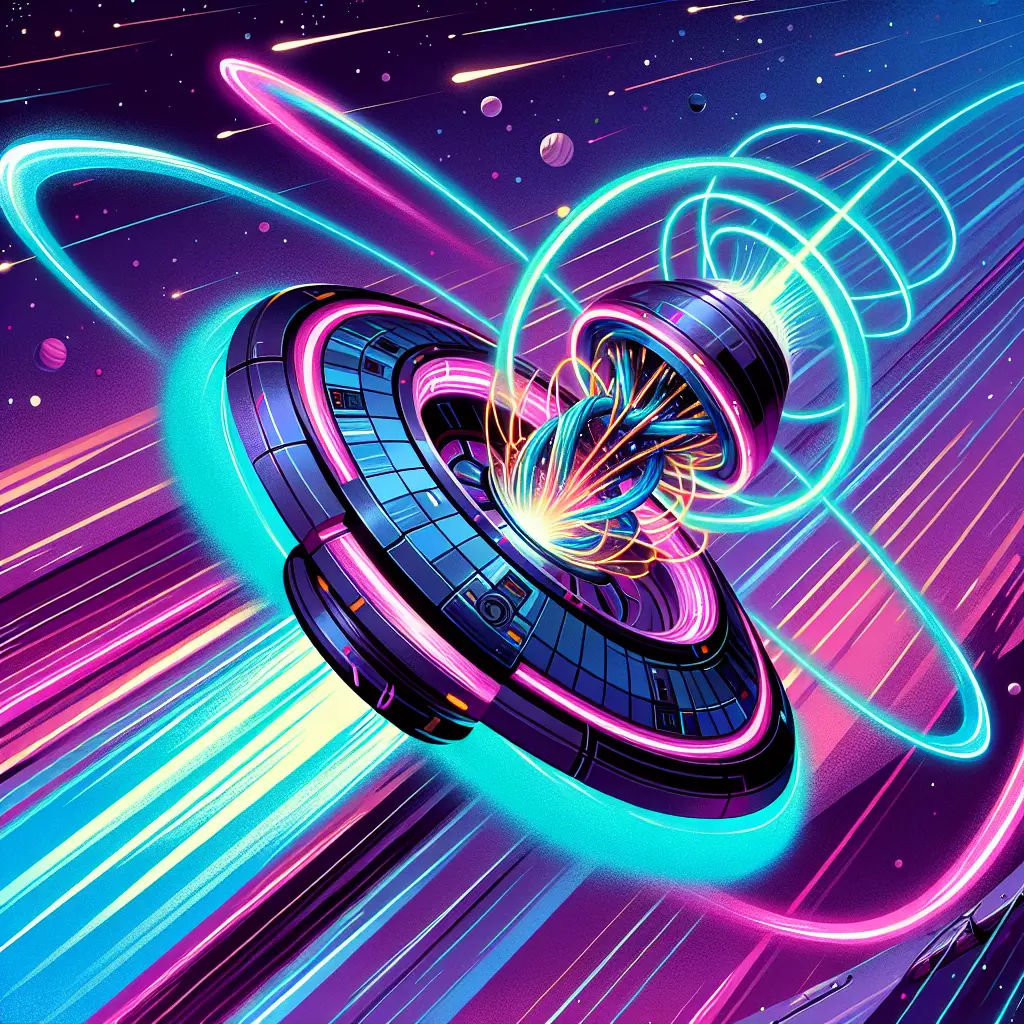
Look for streamlined shapes, chrome or glossy surfaces, neon or pastel color palettes, and motifs like rockets, robots, or other space-age imagery.
Why is retro-futurism important in design history?
It shows how past societies imagined technology and the future, revealing era-specific hopes, anxieties, and cultural influences.
How does retro-futurism differ from contemporary sci-fi visuals?
Retro-futurism reinterprets old aesthetics with nostalgic or optimistic tones, while contemporary sci-fi often uses current tech forecasts and newer visual languages.