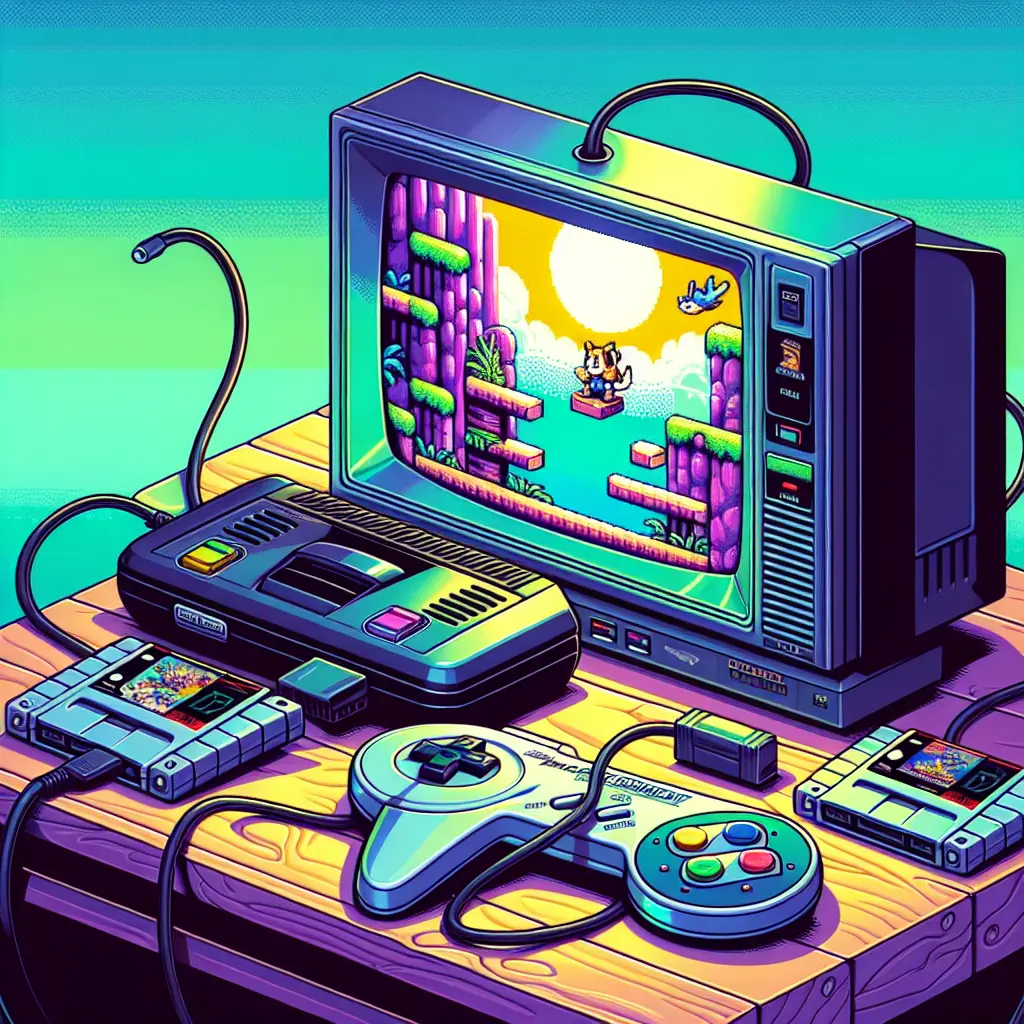
Retro game soundtracks refer to the music composed for classic video games, typically from the 1980s and 1990s. These soundtracks are characterized by their use of chiptune and synthesized sounds, often created with limited hardware capabilities. Despite technical constraints, composers crafted memorable melodies that evoke nostalgia and have influenced modern music. Today, retro game soundtracks are celebrated for their creativity, catchy tunes, and enduring cultural impact among gamers and music enthusiasts alike.
Retro Game Soundtracks+50
Retro game soundtracks refer to the music composed for classic video games, typically from the 1980s and 1990s. These soundtracks are characterized by their use of chiptune and synthesized sounds, often created with limited hardware capabilities. Despite technical constraints, composers crafted memorable melodies that evoke nostalgia and have influenced modern music. Today, retro game soundtracks are celebrated for their creativity, catchy tunes, and enduring cultural impact among gamers and music enthusiasts alike.
💡 Key Takeaways
- Understand how hardware limits (limited audio channels, memory, and processing) shaped retro game music composition.
- Recognize chiptune techniques like arpeggios, square/pulse waves, and simple percussion used in 8- and 16-bit soundtracks.
- See how melody, rhythm, and sound effects were balanced to create memorable tunes within tight data constraints.
- Explore how retro soundtracks influenced modern game music and the broader chiptune genre.
❓ Frequently Asked Questions
What is chiptune in retro game soundtracks?
Chiptune is music produced with the sound chips found in vintage consoles and computers. It uses limited audio channels and simple waveforms to create catchy melodies.
How did hardware limitations influence composition in the 80s and 90s?
Limited voices, small memory, and fixed sample rates forced composers to craft tunes with few channels, use arpeggios, loops, and distinctive sound chips to convey harmony and rhythm.
Who are some influential composers behind retro game soundtracks?
Koji Kondo (Nintendo), Nobuo Uematsu (Final Fantasy), and Yuzo Koshiro (Streets of Rage) are among the standout figures who defined the era with memorable melodies.
What techniques help make retro tunes memorable despite constraints?
Repetitive motifs, strong rhythmic hooks, arpeggiated chords, and clever use of limited channels create recognizable melodies and energy.