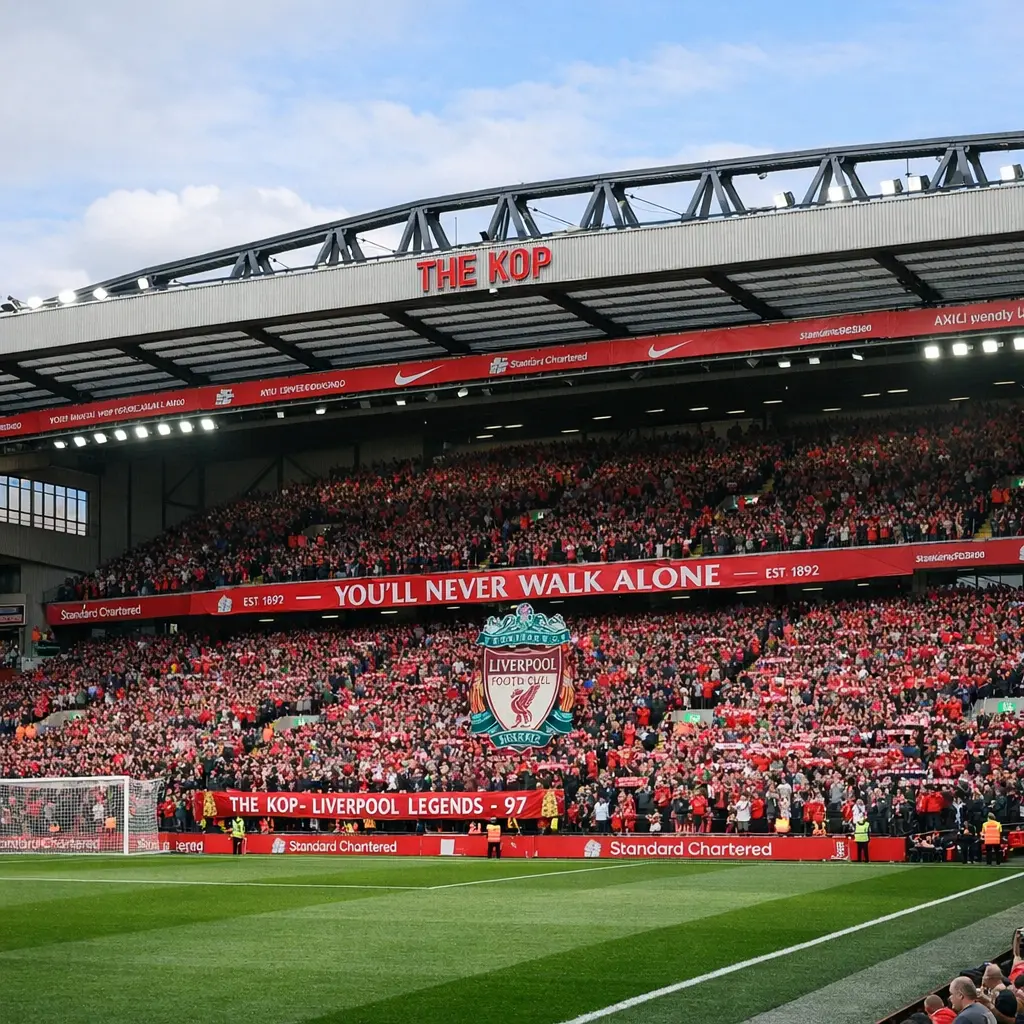
Liverpool F.C.’s revenue streams are primarily divided into three categories: matchday, broadcast, and commercial. Matchday revenue includes ticket sales, hospitality, and stadium-related income from home games. Broadcast revenue comes from television rights for domestic and international competitions. Commercial revenue encompasses sponsorship deals, merchandise sales, and partnerships. Together, these streams form the financial backbone of the club, supporting player acquisitions, infrastructure, and overall operations.
Revenue Streams: Matchday, Broadcast and Commercial
Liverpool F.C.’s revenue streams are primarily divided into three categories: matchday, broadcast, and commercial. Matchday revenue includes ticket sales, hospitality, and stadium-related income from home games. Broadcast revenue comes from television rights for domestic and international competitions. Commercial revenue encompasses sponsorship deals, merchandise sales, and partnerships. Together, these streams form the financial backbone of the club, supporting player acquisitions, infrastructure, and overall operations.
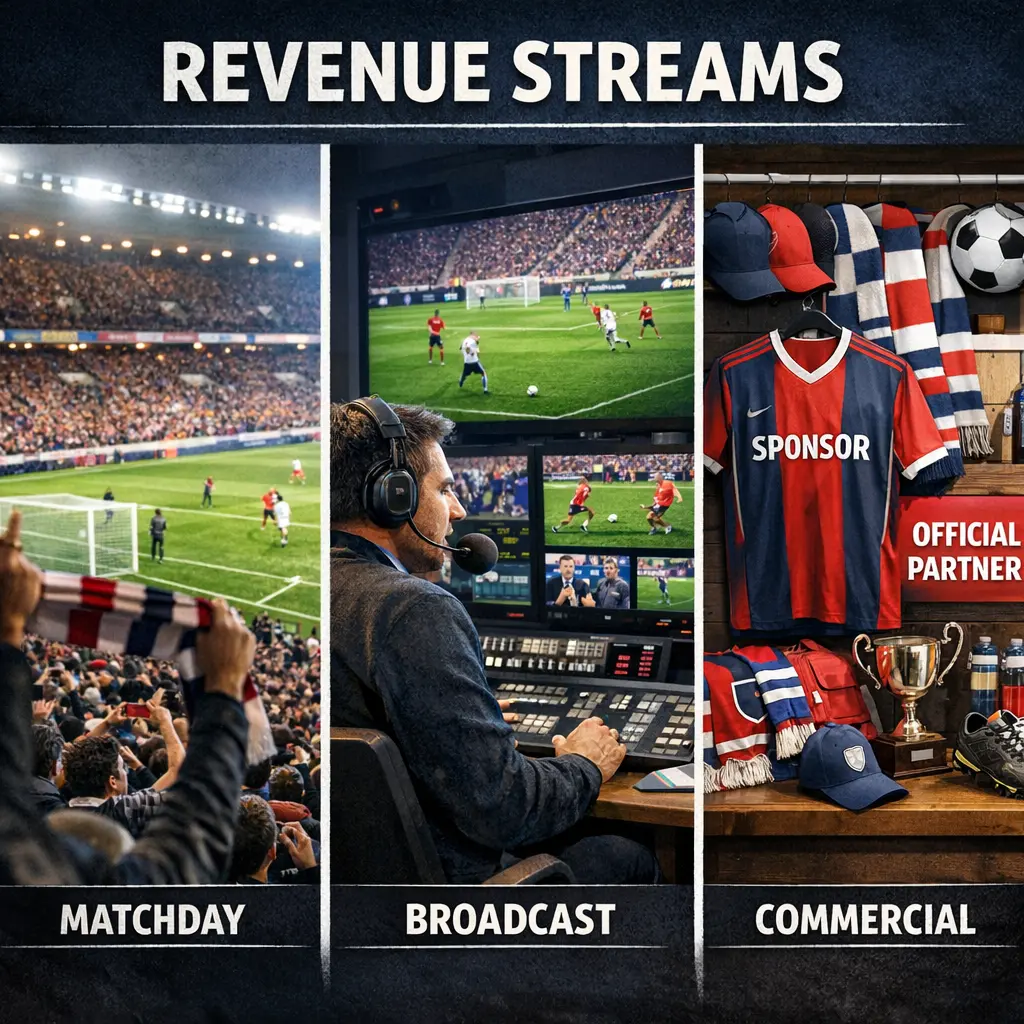
💡 Key Takeaways
- Understand the three main revenue streams—matchday, broadcast, and commercial—and what each typically includes.
- Learn how matchday revenue is generated (ticket sales, concessions, and matchday experiences) and which factors influence it (attendance, pricing, and demand).
- Explain how broadcast revenue is earned (TV rights and streaming) and what drives its value (league popularity, media deals, and market size).
- Describe commercial revenue sources such as sponsorships, partnerships, and merchandising, and how brands monetize associations with the club.
❓ Frequently Asked Questions
What is meant by matchday revenue?
Revenue earned on game days from ticket sales, season tickets, food and beverage, parking, and in-stadium merchandise.
What does broadcast revenue refer to?
Income from selling media rights to televise or stream games, including domestic and international rights and their distributions.
What constitutes commercial revenue?
Earnings from sponsorships, partnerships, advertising, licensing, and other non-matchday activities.
Why are these revenue streams important for a club’s finances?
They diversify income sources, reduce financial risk, and support investments in players, facilities, and services; broadcast deals are often a major revenue component.