Revolutionary leaders and movements refer to influential individuals and organized groups that drive significant political, social, or cultural change, often challenging existing systems or authorities. These leaders inspire followers, articulate visions for a better future, and mobilize collective action. Movements can arise from various causes, such as independence, civil rights, or social justice, and frequently reshape societies by advocating for reforms, overthrowing regimes, or establishing new governance structures.
Revolutionary Leaders and Movements
Revolutionary leaders and movements refer to influential individuals and organized groups that drive significant political, social, or cultural change, often challenging existing systems or authorities. These leaders inspire followers, articulate visions for a better future, and mobilize collective action. Movements can arise from various causes, such as independence, civil rights, or social justice, and frequently reshape societies by advocating for reforms, overthrowing regimes, or establishing new governance structures.
💡 Key Takeaways
- Identify key revolutionary leaders and emblematic movements across eras.
- Explain how leaders articulate visions, mobilize supporters, and challenge authorities.
- Analyze the tactics, organization, and communication methods used to build and sustain movements.
- Assess the short- and long-term impacts of revolutions on politics, society, and culture.
- Consider ethical implications, propaganda, and the unintended consequences of revolutionary change.
❓ Frequently Asked Questions
What is a revolutionary leader?
A figure who inspires followers, articulates a transformative vision, and mobilizes people to challenge or overturn existing political, social, or cultural orders.
What is a revolutionary movement?
A collective effort that aims to fundamentally change or replace the current system, often driven by widespread grievances and organized groups.
What tactics are commonly used by revolutionary movements, and what outcomes can occur?
Tactics include mass protests, strikes, civil disobedience, and propaganda, and in some cases armed struggle. Outcomes range from reforms and regime change to lasting societal transformation or suppression.
Can you name some well-known revolutionary leaders or movements and what they sought to change?
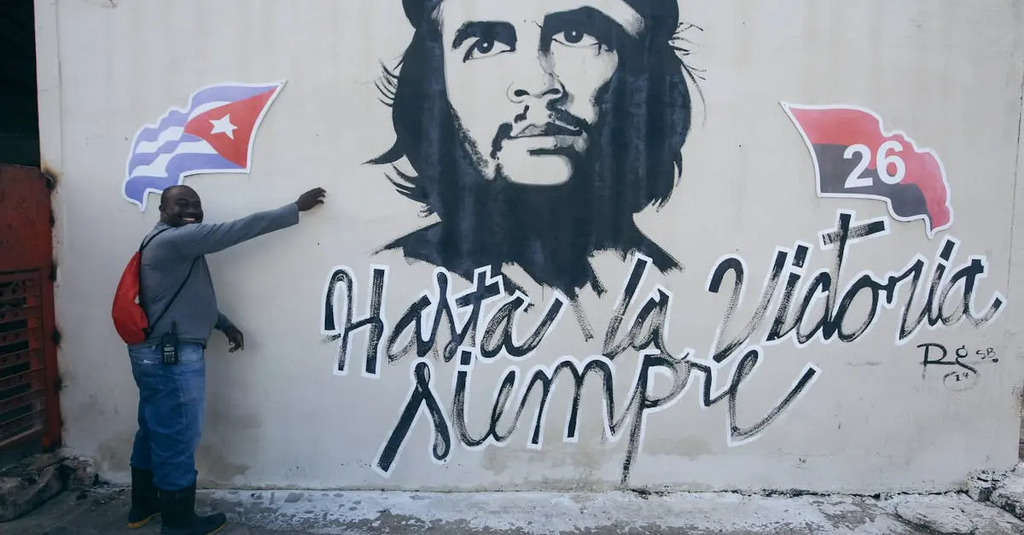
Examples include Gandhi’s nonviolent push for Indian independence, Mao Zedong’s Chinese Communist Revolution, and Che Guevara’s role as a symbol of revolutionary movements in Latin America.