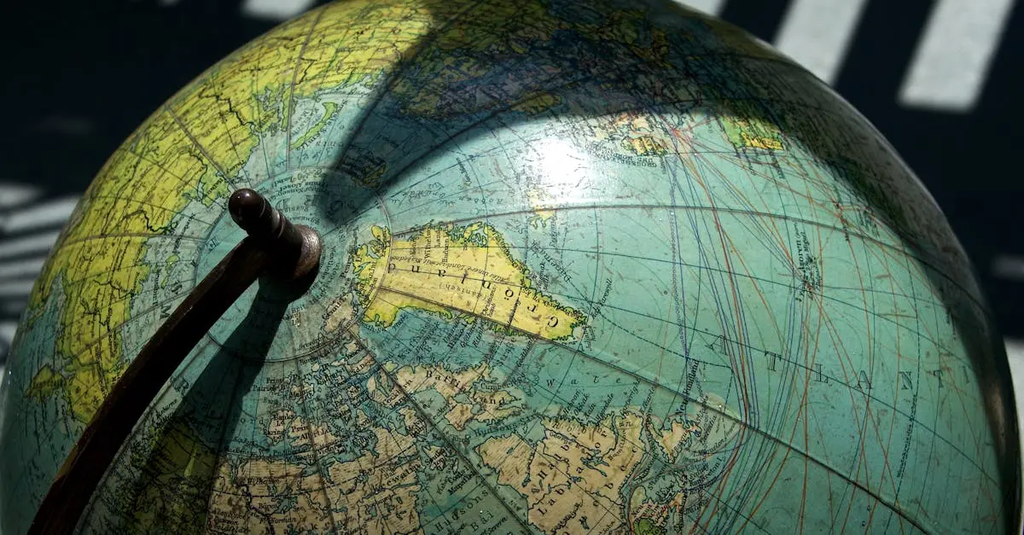
"Revolutions & Empires" refers to the dynamic interplay between transformative uprisings and dominant imperial powers throughout history. Revolutions often arise in response to oppressive or stagnant empires, seeking radical change and greater freedom. Empires, in turn, represent large, centralized authorities exerting control over vast territories and diverse populations. The tension between revolutionary movements and imperial rule has shaped societies, redrawn borders, and influenced global politics, driving cycles of conflict, reform, and cultural exchange.
Revolutions & Empires
"Revolutions & Empires" refers to the dynamic interplay between transformative uprisings and dominant imperial powers throughout history. Revolutions often arise in response to oppressive or stagnant empires, seeking radical change and greater freedom. Empires, in turn, represent large, centralized authorities exerting control over vast territories and diverse populations. The tension between revolutionary movements and imperial rule has shaped societies, redrawn borders, and influenced global politics, driving cycles of conflict, reform, and cultural exchange.
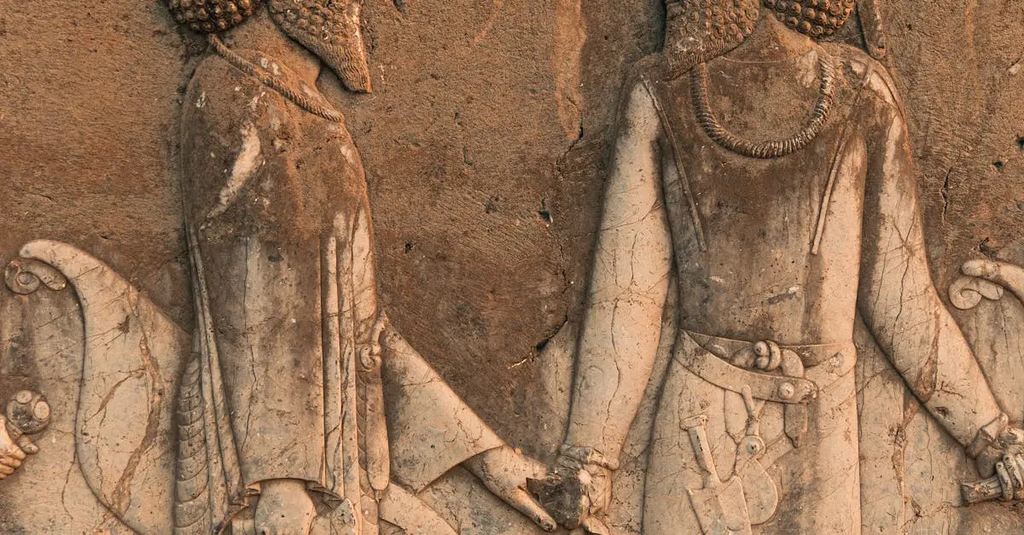
💡 Key Takeaways
- Understand why revolutions arise within empires (oppression, inequality, economic strain).
- See how empires maintain power through centralized governance, bureaucracy, and military strength.
- Explore how revolutions lead to reforms, territorial changes, or empire collapse.
- Compare regions and eras to identify common patterns linking revolutions and imperial rule.
❓ Frequently Asked Questions
What is a revolution?
A fundamental, rapid change in political power or social order, often replacing rulers or the governing system.
What defines an empire?
A large, multi-ethnic or regional political unit ruled by a centralized authority, usually built through conquest and governed by a bureaucratic system and army.
How are revolutions related to empires?
Revolutions often arise from oppression, inequality, or stagnation within empires and can topple or transform imperial rule, leading to new nations or political orders.
How does a revolution differ from a reform?
Reforms are gradual changes within an existing system; revolutions involve sweeping, rapid overhauls that replace the governing order.