RGB, Component, and S-Video cabling are analog video transmission methods used to connect devices like TVs, DVD players, and game consoles. RGB cables transmit red, green, and blue signals separately for high color accuracy. Component cables split video into three parts (Y, Pb, Pr) for improved quality over composite. S-Video separates brightness and color signals, offering better image clarity than composite but lower quality than component or RGB.
RGB, Component & S-Video Cabling
RGB, Component, and S-Video cabling are analog video transmission methods used to connect devices like TVs, DVD players, and game consoles. RGB cables transmit red, green, and blue signals separately for high color accuracy. Component cables split video into three parts (Y, Pb, Pr) for improved quality over composite. S-Video separates brightness and color signals, offering better image clarity than composite but lower quality than component or RGB.
💡 Key Takeaways
- Differentiate RGB, Component (YPbPr), and S-Video by which signals they carry and how that affects image quality.
- Know which method often provides the best color accuracy for retro games and why.
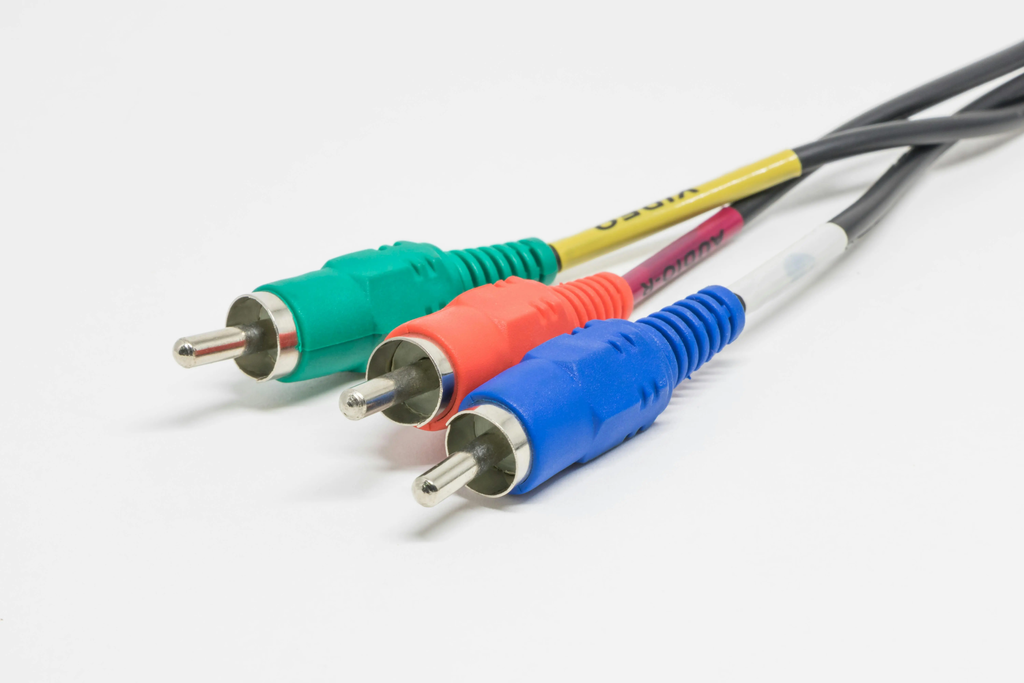
- Recognize typical connectors and setups (RGB/Component use three RCA cables; S-Video uses a 4-pin mini-DIN) and how to wire them.
- Understand practical limits and upgrade options when using analog cabling on modern TVs (compatibility, signal degradation, and potential upscalers).
❓ Frequently Asked Questions
What is RGB cabling?
RGB cabling carries separate red, green, and blue signals to form an image, providing accurate colors and sharp detail on compatible TVs and retro consoles.
What is Component video cabling?
Component video splits video into three signals: Y (brightness), Pb and Pr (color differences). This setup preserves more color detail and clarity than composite.
What is S-Video cabling?
S-Video separates luminance (Y) and chrominance (C) into two signals, reducing color blurring compared to composite, but usually not as sharp as RGB or component.
How do RGB, Component, and S-Video compare in quality?
Typically, RGB offers the best color fidelity, Component is a strong middle option with good sharpness, and S-Video is an improvement over composite but generally lower than RGB/Component.