Right-of-way basics refer to the fundamental rules and guidelines that determine which vehicle, pedestrian, or cyclist has the legal right to proceed first in various traffic situations. These rules help prevent accidents and ensure smooth traffic flow at intersections, crosswalks, and merging lanes. Understanding right-of-way is essential for all road users, as it promotes safety, reduces confusion, and clarifies responsibilities when paths cross or converge on the road.
Right-of-Way Basics+50
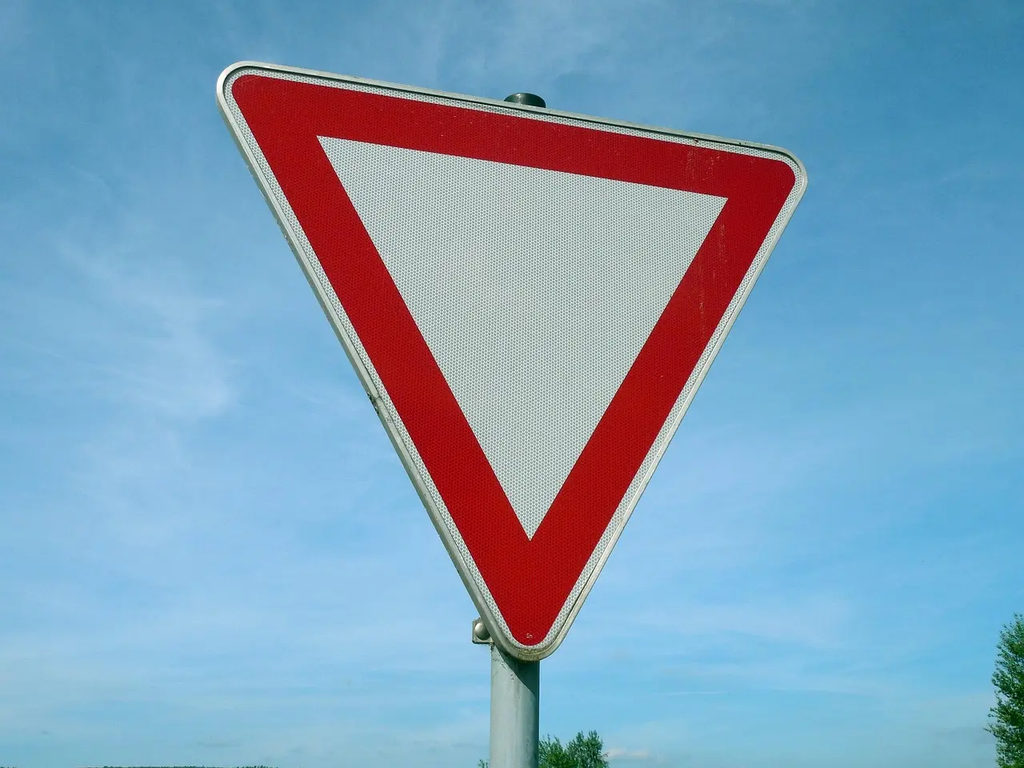
Right-of-way basics refer to the fundamental rules and guidelines that determine which vehicle, pedestrian, or cyclist has the legal right to proceed first in various traffic situations. These rules help prevent accidents and ensure smooth traffic flow at intersections, crosswalks, and merging lanes. Understanding right-of-way is essential for all road users, as it promotes safety, reduces confusion, and clarifies responsibilities when paths cross or converge on the road.
💡 Key Takeaways
- Right-of-way at controlled intersections and when to proceed.
- Yield to pedestrians in crosswalks and to cyclists in shared spaces.
- Apply proper yielding in merging, turning, and roundabout situations (including right turns on red where allowed).
- Recognize how to yield to emergency vehicles and other priority traffic.
❓ Frequently Asked Questions
Who has the right of way at an intersection without signs or traffic signals?
At an uncontrolled intersection, yield to the vehicle on your right. If you arrive at the same time, the driver on the left yields; proceed when it’s safe.
What should you do when a pedestrian is in a crosswalk?
Stop and yield. Do not proceed until the pedestrian has cleared the crosswalk.
What is the rule for entering and traveling through a roundabout?
Yield to traffic already circulating in the roundabout. Enter when safe and signal when exiting.
How should you merge safely when lanes are combining?
Signal, check mirrors and blind spots, and yield to vehicles in the target lane. Adjust speed to merge smoothly.
What should you do when you hear or see an emergency vehicle approaching?
Pull over to the side and stop safely, yielding to the emergency vehicle. Do not block intersections; wait until it passes.