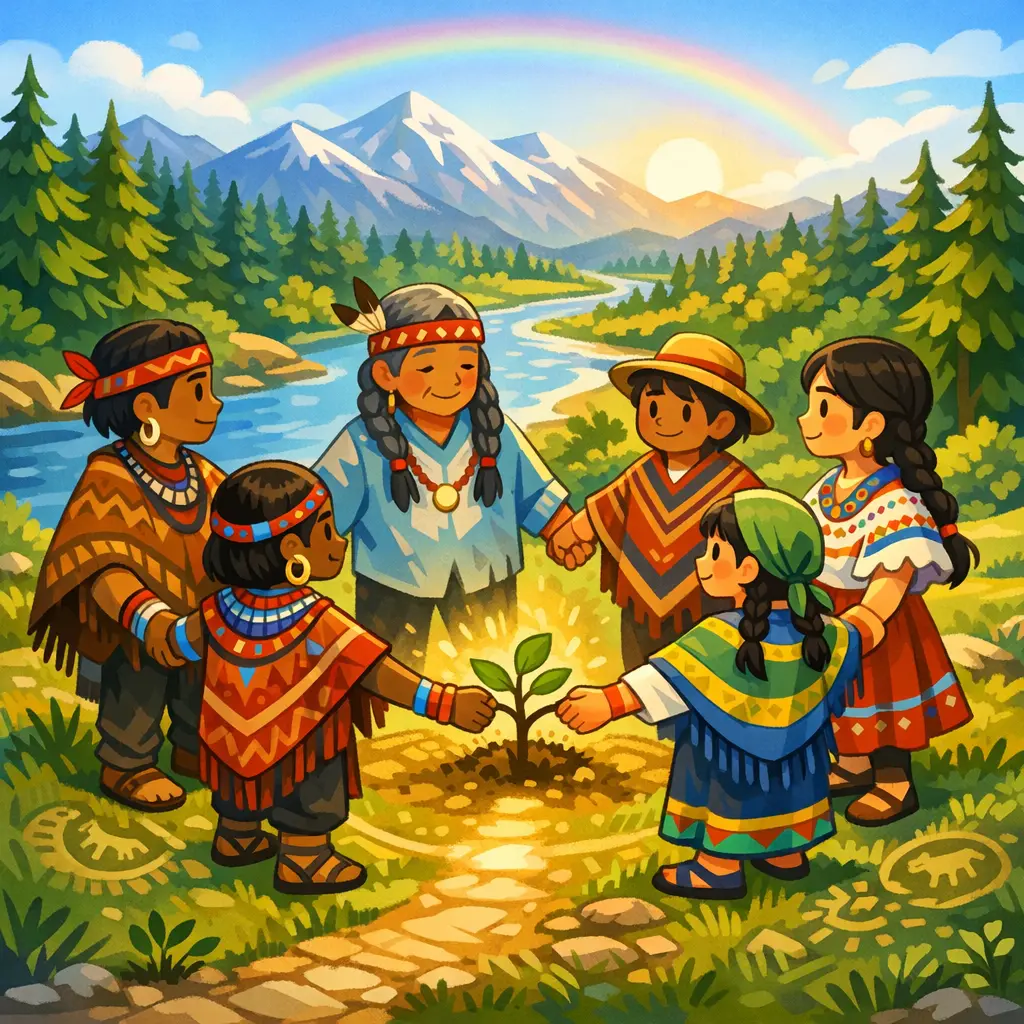
The rights of minorities and indigenous peoples encompass protections that ensure their ability to practice and preserve their distinct cultures, religions, and societal traditions. These rights aim to safeguard their identities against assimilation or discrimination, promote equal participation in public life, and guarantee access to education, language, and resources. International frameworks, such as the UN Declaration on the Rights of Indigenous Peoples, emphasize respect, dignity, and the right to self-determination for these communities within broader societies.
Rights of Minorities & Indigenous Peoples
The rights of minorities and indigenous peoples encompass protections that ensure their ability to practice and preserve their distinct cultures, religions, and societal traditions. These rights aim to safeguard their identities against assimilation or discrimination, promote equal participation in public life, and guarantee access to education, language, and resources. International frameworks, such as the UN Declaration on the Rights of Indigenous Peoples, emphasize respect, dignity, and the right to self-determination for these communities within broader societies.
💡 Key Takeaways
- Understand the core rights of minorities and Indigenous peoples and why they matter.
- Identify international and national legal instruments that protect these rights (e.g., UNDRIP, constitutional protections).
- Explore common challenges they face, including discrimination, land/resource rights, and cultural preservation.
- Learn practical ways to advocate for inclusive policies and meaningful participation of these communities.
❓ Frequently Asked Questions
Who are considered minorities and Indigenous peoples?
Minorities are groups that are smaller or distinct in ethnicity, religion, or language within a country; Indigenous peoples are communities with historical continuity with pre-colonial populations, distinct cultures, ties to traditional lands, and self-identification as Indigenous.
What international protections exist for their rights?
Key instruments include the Universal Declaration of Human Rights, the International Covenant on Civil and Political Rights, the UN Declaration on the Rights of Indigenous Peoples (UNDRIP), and ILO Convention 169 on Indigenous and Tribal Peoples.
What does free, prior and informed consent (FPIC) mean for Indigenous peoples?
FPIC means Indigenous peoples must give or withhold consent before projects affecting their lands, resources, or rights proceed, based on meaningful consultation and adequate information.
What types of rights are commonly protected for minorities and Indigenous peoples?
Rights include equality before the law, protection from discrimination, cultural rights (keeping language and traditions), education in or about their language, protection of land and resources, and participation in decision-making.