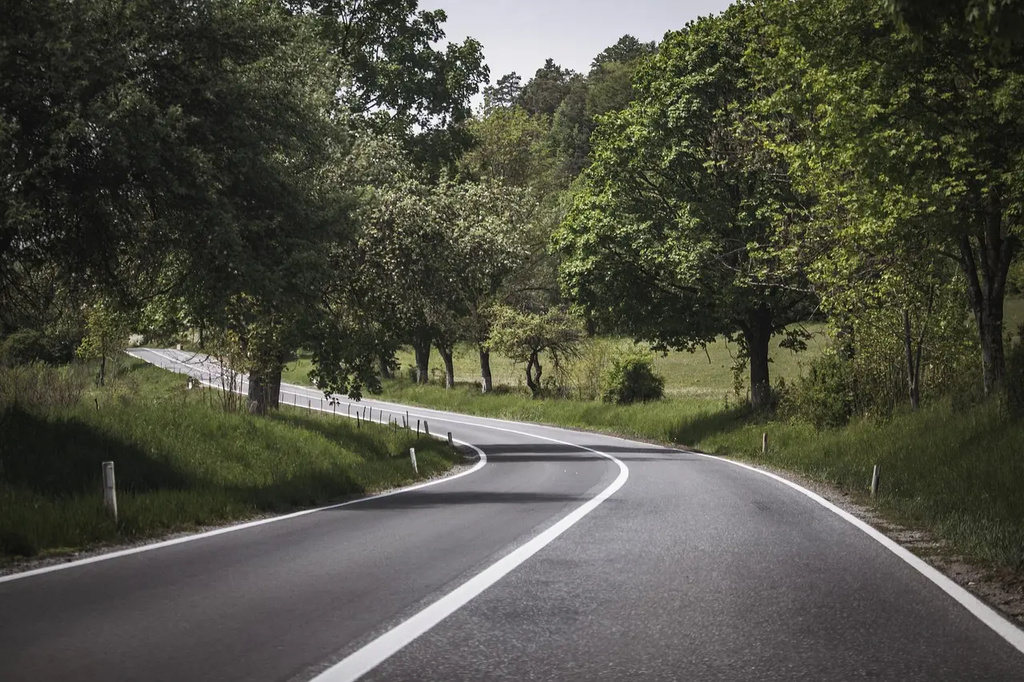
Rights of way refer to the legal right to pass through land owned by another, often for public access or utilities. Highway dedication involves a landowner formally granting land for public highway use, making it part of the public road network. Stopping up orders are legal processes that close or divert highways or public rights of way, usually for development or safety reasons, requiring statutory procedures and often public consultation.
Rights of way, highway dedication, and stopping up orders
Rights of way refer to the legal right to pass through land owned by another, often for public access or utilities. Highway dedication involves a landowner formally granting land for public highway use, making it part of the public road network. Stopping up orders are legal processes that close or divert highways or public rights of way, usually for development or safety reasons, requiring statutory procedures and often public consultation.
💡 Key Takeaways
- Understand what a right of way is and how it governs public access across private land.
- Learn how a highway can be dedicated to public use and what that means for landowners and the public.
- Know what a stopping up order is, when it is used, and the steps involved in applying for or opposing one.
- Identify key rights, responsibilities, and processes for protecting access or challenging changes to a right of way.
❓ Frequently Asked Questions
What is a right of way?
A legal right that allows someone to pass over someone else’s land for a specific purpose (such as a footpath or road). It can arise by statute, agreement, or long use and remains even if land ownership changes.
What is highway dedication?
The process by which a landowner gives land or an interest in land for public highway use. Once accepted by the local authority, the road becomes publicly maintained and part of the public highway network.
What is a stopping up order?
A formal order to discontinue public use of a road or path, usually to enable development. It removes the public right over that route and follows statutory procedures, including notices and possible objections.
How are rights of way created or changed?
Rights of way can be created by express grant, by long use (prescription), or by statute. They’re shown on official maps; changes or extinguishment require specific legal processes and may involve consultations or objections.