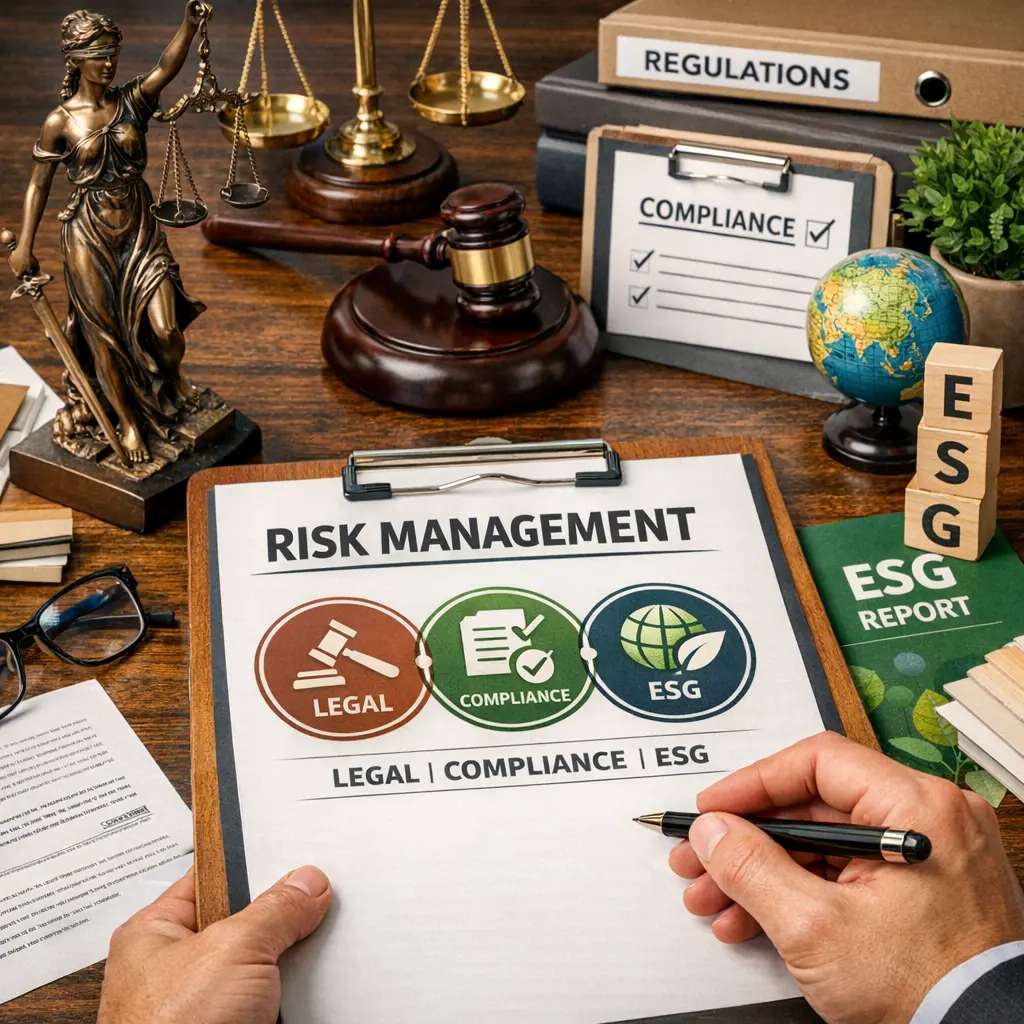
Risk Management: Legal, Compliance & ESG at Tottenham Hotspur F.C. involves identifying and mitigating legal risks, ensuring adherence to relevant laws and regulations, and integrating Environmental, Social, and Governance (ESG) principles into club operations. This approach safeguards the club’s reputation, supports sustainable growth, and demonstrates accountability to stakeholders by addressing issues such as regulatory compliance, ethical conduct, sustainability initiatives, and social responsibility within football and the wider community.
Risk Management: Legal, Compliance & ESG
Risk Management: Legal, Compliance & ESG at Tottenham Hotspur F.C. involves identifying and mitigating legal risks, ensuring adherence to relevant laws and regulations, and integrating Environmental, Social, and Governance (ESG) principles into club operations. This approach safeguards the club’s reputation, supports sustainable growth, and demonstrates accountability to stakeholders by addressing issues such as regulatory compliance, ethical conduct, sustainability initiatives, and social responsibility within football and the wider community.
💡 Key Takeaways
- Identify major legal and regulatory risks and how they affect operations
- Explain the role of compliance programs in reducing risk and ensuring accountability
- Assess ESG risks (environmental, social, governance) and their impact on reputation and risk exposure
- Apply an integrated risk management framework combining legal, compliance, and ESG considerations
❓ Frequently Asked Questions
What is risk management in the context of legal, compliance, and ESG?
A structured process to identify, assess, and mitigate legal and regulatory risks as well as environmental, social, and governance factors to protect the organization and stakeholders.
What does ESG stand for and why is it important for risk management?
Environmental, Social, and Governance. Integrating ESG helps anticipate long‑term risks, regulatory changes, and reputational impacts that could affect value and operations.
What are key elements of an effective compliance program?
Risk assessment, written policies and controls, training, monitoring and auditing, incident reporting, and procedures for remediation and escalation.
How should you assess risk probability and impact?
Use qualitative or quantitative scales to rate likelihood and consequence, then map to a risk matrix to prioritize mitigation efforts.
What is the role of governance and due diligence in risk management?
Governance provides oversight and accountability; due diligence helps identify and mitigate risks before entering partnerships or significant decisions.