River levees are embankments built along riverbanks to prevent flooding of adjacent land. Spillways are controlled structures that allow excess water to flow safely out of rivers or reservoirs, reducing flood risks. Floodplain restoration involves returning altered or developed floodplain areas to their natural state, which helps absorb floodwaters, improve water quality, and support wildlife habitats. Together, these measures manage flood risks and promote healthier river ecosystems.
River Levees, Spillways, and Floodplain Restoration
River levees are embankments built along riverbanks to prevent flooding of adjacent land. Spillways are controlled structures that allow excess water to flow safely out of rivers or reservoirs, reducing flood risks. Floodplain restoration involves returning altered or developed floodplain areas to their natural state, which helps absorb floodwaters, improve water quality, and support wildlife habitats. Together, these measures manage flood risks and promote healthier river ecosystems.
💡 Key Takeaways
- Understand how river levees protect land by keeping floodwaters within the river channel.
- Explain the function of spillways and how they divert excess water to prevent dangerous overtopping.
- Describe floodplain restoration and how returning land to its natural flood storage can reduce flood risk and support ecosystems.
- Recognize the trade-offs and maintenance needs of flood-control structures, and how integrating natural floodplains improves overall resilience.
❓ Frequently Asked Questions
What is a river levee and what does it do?
A levee is an earthen or concrete embankment built along a river to keep floodwater from reaching nearby land, effectively raising the river’s bank during floods.
How do spillways help manage floods?
Spillways provide a controlled path for excess water to flow out of rivers or reservoirs, preventing uncontrolled overflow and protecting communities and infrastructure.
What does floodplain restoration involve?
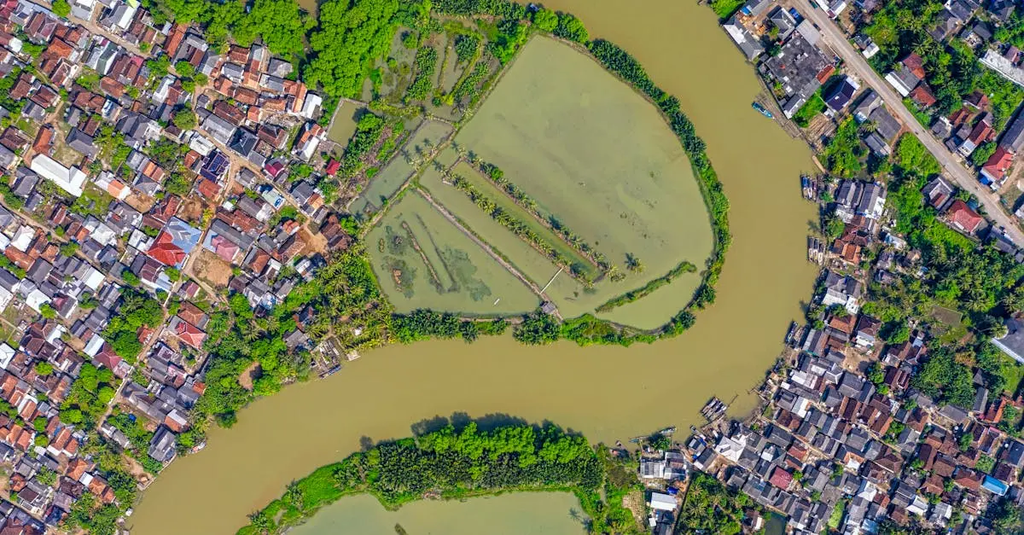
Floodplain restoration reconnects a river with its natural floodplain—often by removing barriers or reestablishing wetlands—to allow safe flood storage, improve habitats, and reduce downstream flood risk.
What are common trade-offs with levees, spillways, and floodplain restoration?
Levees can protect one area but shift risk downstream and may create a false sense of security; spillways require careful design and maintenance; floodplain restoration may require land-use changes and time to realize benefits, but it can enhance resilience and ecosystems.