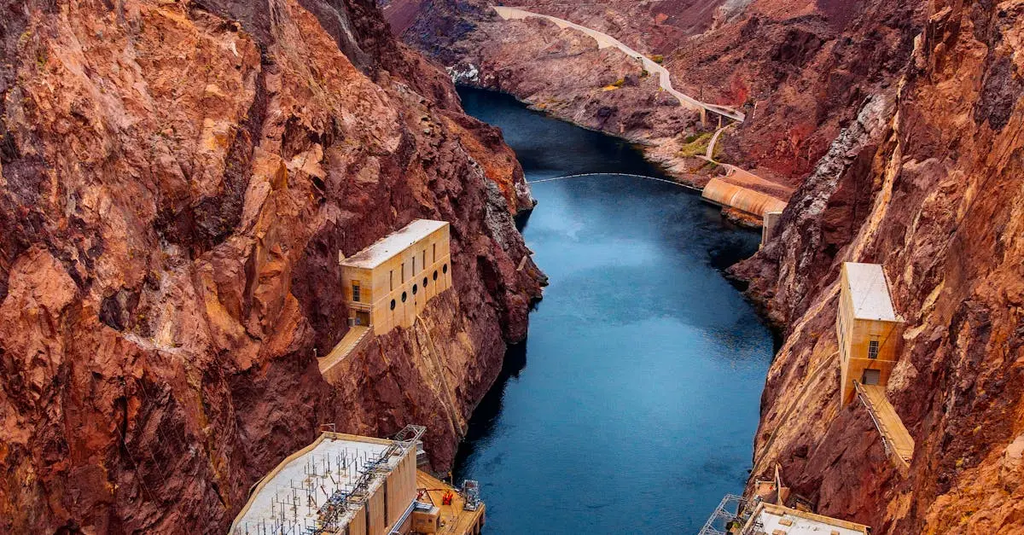
Rivers, mountains, and deserts are distinct natural features that shape our planet’s landscape. Rivers are flowing bodies of water that nourish ecosystems and support human settlements. Mountains are elevated landforms, often with rugged peaks, influencing climate and biodiversity. Deserts are arid regions with minimal rainfall, characterized by unique flora and fauna adapted to harsh conditions. Together, these features create diverse environments and contribute to Earth’s ecological and cultural richness.
Rivers, Mountains & Deserts
Rivers, mountains, and deserts are distinct natural features that shape our planet’s landscape. Rivers are flowing bodies of water that nourish ecosystems and support human settlements. Mountains are elevated landforms, often with rugged peaks, influencing climate and biodiversity. Deserts are arid regions with minimal rainfall, characterized by unique flora and fauna adapted to harsh conditions. Together, these features create diverse environments and contribute to Earth’s ecological and cultural richness.
💡 Key Takeaways
- Rivers nourish ecosystems and support human settlements by providing water, nutrients, and transportation routes.
- Mountains influence climate, weather patterns, and biodiversity, creating diverse habitats.
- Deserts are arid regions with adaptations to heat and scarce water resources.
- Rivers, mountains, and deserts interact to shape landscapes and human activity.
❓ Frequently Asked Questions
What is a river and why are rivers important?
A river is a flowing body of freshwater that travels across land. They shape valleys, support habitats, and provide water for drinking, farming, and transportation.
How do mountains influence climate and biodiversity?
Mountains affect weather by altering wind and rainfall (orographic effect) and offer many habitats at different elevations, supporting rich biodiversity.
What defines a desert and how do plants and animals survive there?
Deserts are very dry regions with low rainfall. Life adapts with water conservation, nocturnal activity, deep roots, and storage adaptations.
How do rivers, mountains, and deserts shape the landscape?
Rivers carve valleys and transport sediment; mountains create high terrain and climate variety; deserts form where rainfall is scarce. Together, they shape Earth's diverse landscapes.