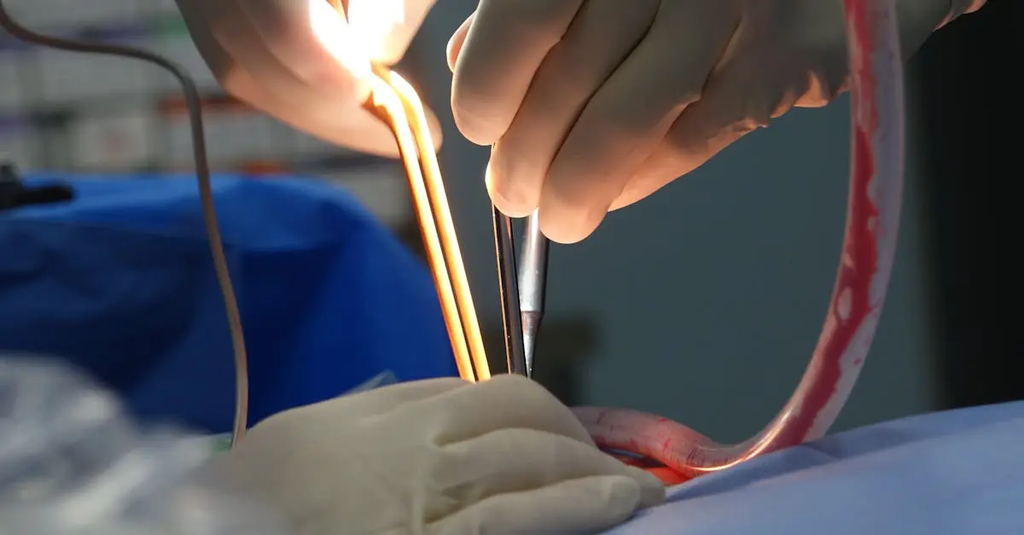
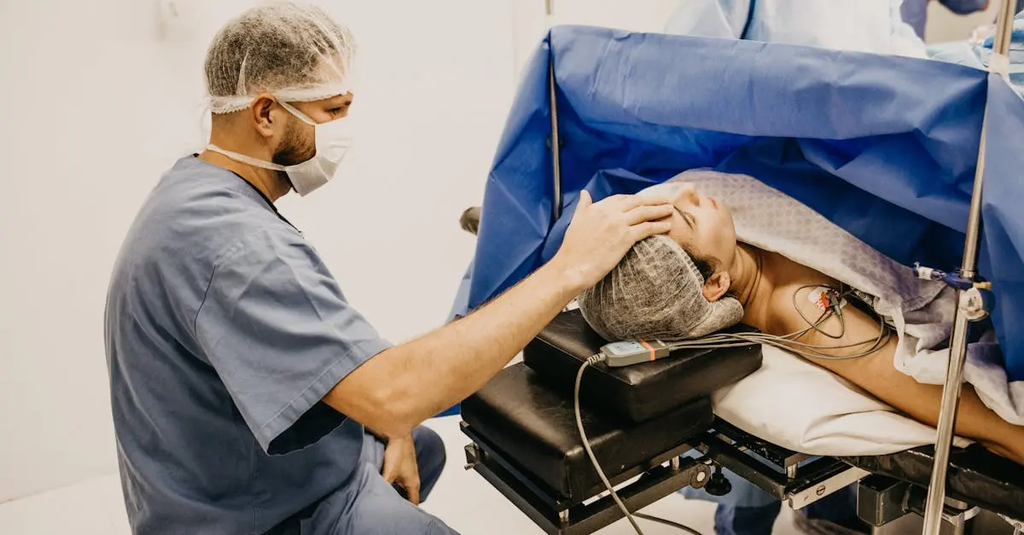
Robotic and image-guided surgery refers to advanced surgical techniques that utilize robotic systems and real-time imaging technologies to enhance precision, control, and visualization during procedures. Surgeons operate robotic instruments, often through tiny incisions, while relying on detailed imaging—such as MRI or CT scans—to guide their movements. This approach minimizes invasiveness, reduces recovery times, and improves outcomes by allowing for greater accuracy and access to difficult-to-reach areas within the body.
Robotic & Image-Guided Surgery
Robotic and image-guided surgery refers to advanced surgical techniques that utilize robotic systems and real-time imaging technologies to enhance precision, control, and visualization during procedures. Surgeons operate robotic instruments, often through tiny incisions, while relying on detailed imaging—such as MRI or CT scans—to guide their movements. This approach minimizes invasiveness, reduces recovery times, and improves outcomes by allowing for greater accuracy and access to difficult-to-reach areas within the body.
💡 Key Takeaways
- Define robotic-assisted and image-guided surgery and how real-time imaging guides precision procedures.
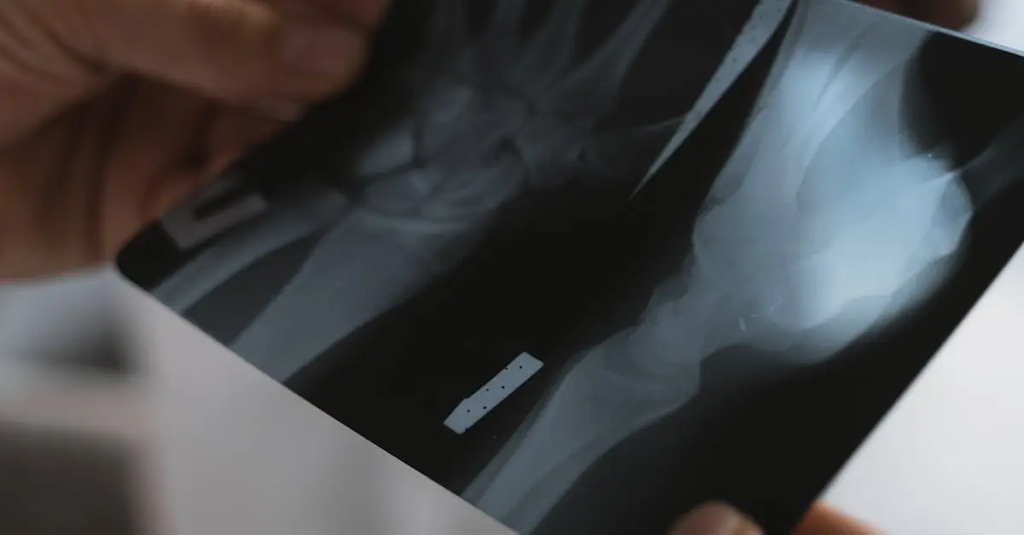
- Identify common imaging modalities (3D visualization, fluoroscopy, CT/MRI, ultrasound) and their roles during surgery.
- Explain the benefits and trade-offs of these techniques, including precision and minimally invasive benefits versus cost and learning curve.
- Describe how robotic systems are controlled (teleoperation, master-slave interfaces) and key safety considerations.
- Identify typical surgical areas where robotic and image-guided methods are used (urology, gynecology, general and neurosurgery) and why they are well-suited.
❓ Frequently Asked Questions
What is robotic-assisted surgery?
Robotic-assisted surgery uses a robotic system that translates the surgeon's movements into precise actions by robotic arms, controlled from a console, enabling operations through small incisions with enhanced precision and visualization.
What is image-guided surgery and how does it help?
Image-guided surgery uses real-time imaging or navigation to show instrument position relative to anatomy, improving accuracy and safety during the procedure.
What are the main benefits of robotic and image-guided surgery?
Benefits include increased precision, improved visualization, smaller incisions, reduced tissue trauma, and potentially faster recovery, though outcomes depend on the specific procedure and surgeon.
What imaging modalities are commonly used in image-guided surgery?
Modalities include intraoperative ultrasound, fluoroscopy, CT or MRI guidance, and fluorescence imaging, all used to map anatomy and guide instrument placement.