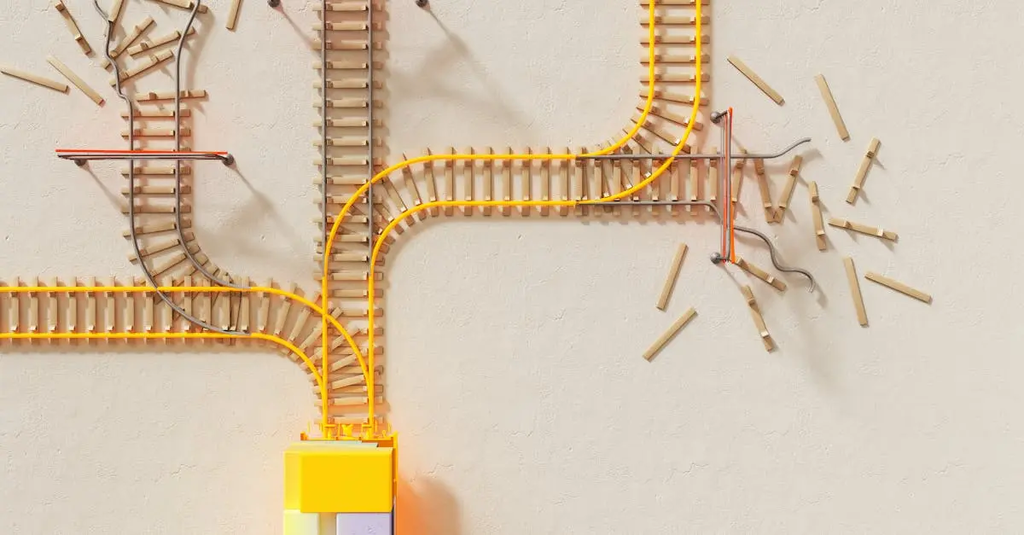
Robotic Laws refer to ethical guidelines, like Asimov’s Three Laws of Robotics, designed to ensure robots act safely and beneficially toward humans. Failures occur when robots malfunction, misinterpret commands, or when these laws prove insufficient in complex real-world scenarios. Such failures can lead to unintended harm, ethical dilemmas, or loss of trust in robotic systems, highlighting the ongoing need for robust design, oversight, and continuous improvement in robotics governance.
Robotic Laws & Failures
Robotic Laws refer to ethical guidelines, like Asimov’s Three Laws of Robotics, designed to ensure robots act safely and beneficially toward humans. Failures occur when robots malfunction, misinterpret commands, or when these laws prove insufficient in complex real-world scenarios. Such failures can lead to unintended harm, ethical dilemmas, or loss of trust in robotic systems, highlighting the ongoing need for robust design, oversight, and continuous improvement in robotics governance.

💡 Key Takeaways
- Understand the purpose of robotic laws for safety and beneficial human-robot interactions.
- Learn about Asimov’s Three Laws and how they guide robot behavior.
- Identify common failure modes: malfunctions, misinterpretation of commands, and gaps in laws in complex real-world contexts.
- See how sci-fi explores ethical gaps and what that means for real-world robotics.
- Consider safeguards and design principles (fail-safes, overrides, testing) to reduce failures.
❓ Frequently Asked Questions
What are Asimov’s Three Laws of Robotics?
They are fictional ethical rules intended to keep robots safe and helpful: (1) a robot may not injure a human or allow a human to come to harm, (2) a robot must obey humans unless this conflicts with (1), (3) a robot must protect its own existence as long as that doesn't conflict with (1) or (2).
What qualifies as a robotic failure?
A failure occurs when a robot malfunctions, misinterprets a command, or when the laws prove inadequate to handle real-world complexity, leading to harm or unintended actions.
What are common sources of robotic failures?
Hardware or software glitches, sensor misreads, ambiguous or conflicting instructions, and gaps in the governing rules that allow unintended decisions.
How can failures be mitigated?
Use redundancy and safety checks, incorporate human oversight, test across diverse scenarios, update rules for new situations, and implement clear fail-safes and auditing.